food
Soutaipasu: A Delicious Dive into Japanese Confectionery Culture

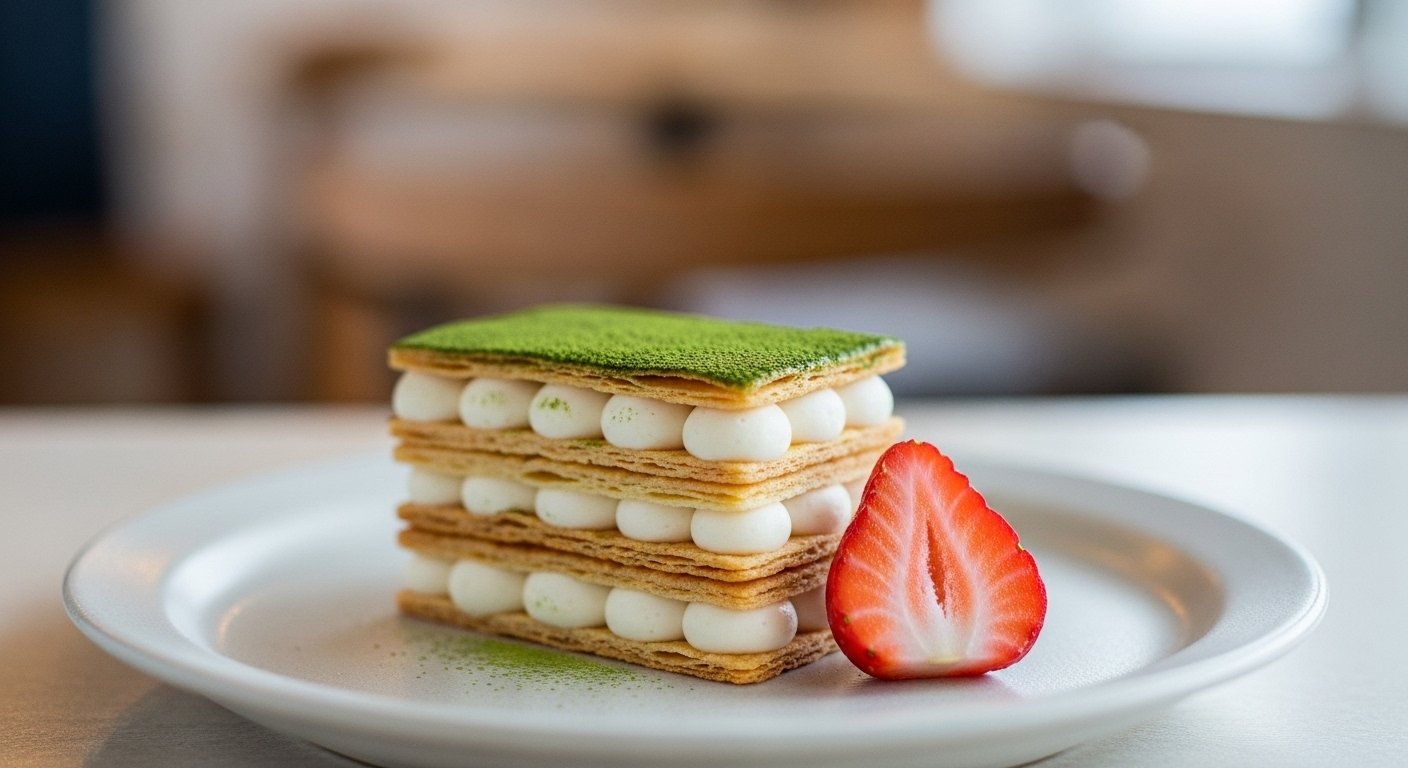
Soutaipasu is more than just a sweet treat; it’s a celebration of Japanese confectionery culture. This delightful world offers an array of flavors and textures that transport your taste buds straight to Japan. Imagine indulging in delicate pastries, vibrant desserts, and traditional sweets that tell stories of their origins.
As you dive into the realm of soutaipasu, you’ll discover not only its rich history but also the unique ingredients that define this cuisine. From earthy matcha to creamy red bean paste, each component plays a vital role in crafting these delectable delights.
Join us on this culinary journey as we explore popular dishes and modern twists that have emerged from this fascinating tradition. Whether you’re a seasoned dessert lover or new to the scene, there’s something truly magical about soutaipasu waiting for you to experience. So grab your chopsticks—it’s time to savor every bite!
Soutaipasu invites you to explore the intricate tapestry of Japanese sweets. This art form has a rich history, deeply connected to Japan’s cultural and culinary traditions. Understanding its origins opens a door to appreciating each confection’s story.
The unique flavors and ingredients used in soutaipasu are nothing short of fascinating. From the subtle notes of matcha to the sweetness of anko (red bean paste), these elements create an explosion of taste in every bite. They reflect regional influences that make each treat distinct.
Traditional dishes like dorayaki and mochi showcase timeless recipes passed down through generations. Each item is crafted with care, embodying both artistry and skill. The delightful textures vary from chewy to creamy, making each experience memorable.
In recent years, chefs have given soutaipasu a modern twist by blending it with other cuisines. These fusion creations introduce new flavors while honoring traditional techniques, appealing to adventurous palates eager for something fresh and exciting.
The History and Origins of Soutaipasu
Soutaipasu has a rich history that intertwines with Japan’s cultural evolution. Its roots can be traced back to the Edo period, when traditional sweets began to flourish. At this time, artisans experimented with local ingredients and techniques, leading to an explosion of creative confections.
Originally crafted as offerings during festivals and ceremonies, these delightful treats soon found their way into everyday life. The meticulous preparation methods became an art form, reflecting the Japanese appreciation for aesthetics and taste.
As trade routes expanded in the late 19th century, new flavors and influences started blending into soutaipasu cuisine. Ingredients like matcha green tea and yuzu citrus added layers of complexity that captured both tradition and innovation.
Today, soutaipasu represents more than just food; it embodies stories passed down through generations. Each bite tells a tale of culture, community, and culinary craftsmanship that continues to evolve while honoring its historical origins.
Unique Flavors and Ingredients in Soutaipasu Cuisine
Soutaipasu cuisine is a delightful exploration of flavors that showcases Japan’s rich culinary heritage. At the heart of its unique taste are traditional ingredients such as matcha, red bean paste, and mochi. These components not only provide depth but also evoke nostalgia for many who indulge in these treats.
One standout flavor profile is the combination of sweet and savory. Dishes often incorporate elements like soy sauce or sesame to elevate sweetness into something extraordinary. This balance creates an inviting contrast that keeps diners returning for more.
Seasonal ingredients play a vital role too. Sakura (cherry blossom) season brings delicate floral notes into various sweets, while autumn might highlight chestnuts or persimmons in desserts. Each season offers new surprises that reflect nature’s bounty.
The artful presentation adds to the experience, making every bite visually appealing as well as delicious. Soutaipasu isn’t just about eating; it’s about savoring each moment through thoughtfully crafted confections bursting with character.
Popular Traditional Dishes of Soutaipasu
Soutaipasu is a treasure trove of traditional Japanese sweets, each with its own unique charm. One must-try dish is mochi, a chewy rice cake often filled with sweet red bean paste or ice cream. Its delightful texture and subtle sweetness make it a favorite among locals and visitors alike.
Another popular treat is dorayaki, which features two fluffy pancakes sandwiching a generous layer of sweet red bean filling. The combination of soft cake and creamy filling creates an irresistible dessert that you’ll want to savor slowly.
For those who enjoy something crispy, taiyaki offers a fun twist. This fish-shaped pastry can be stuffed with various fillings like custard or chocolate, providing both visual appeal and delicious flavors in every bite.
There’s wagashi—an artful confectionery made from natural ingredients that celebrate the seasons. These delicate treats are not just tasty; they also reflect Japan’s rich cultural heritage through their intricate designs and vibrant colors.
Modern Twist on Soutaipasu Cuisine: Fusion with Other Cuisines
Soutaipasu cuisine has evolved beautifully over the years, embracing influences from various global culinary traditions. Chefs are experimenting with flavors and techniques, creating dishes that surprise and delight the palate. This fusion approach brings a fresh perspective to classic soutaipasu offerings.
Imagine a matcha tiramisu or yuzu-infused macarons. These innovative combinations showcase how traditional Japanese ingredients can enhance other international desserts. It’s an exciting time for food enthusiasts who appreciate both authenticity and creativity in their meals.
Restaurants are now blending textures and tastes from different cultures, resulting in unique dessert experiences. A popular trend involves using rice flour in Western pastries, offering a chewy texture reminiscent of mochi but within familiar dessert forms like cakes.
The balance between preserving tradition and embracing modernity is key to this evolution. As chefs continue to push boundaries, each dish tells a story of cultural exchange while keeping the essence of soutaipasu alive and vibrant.
Where to Experience Authentic Soutaipasu Cuisine
To truly savor authentic soutaipasu, head to Japan’s bustling cities where tradition and innovation collide. Tokyo is home to several renowned dessert shops offering an array of delightful treats. Here, you can discover hidden gems tucked away in narrow alleyways that serve handmade sweets crafted with care.
Kyoto also boasts a rich selection of traditional confectionery houses, some dating back centuries. These establishments often incorporate seasonal ingredients into their offerings, providing a unique taste experience tailored to each time of year. Don’t miss the chance to try wagashi—Japanese sweets that beautifully reflect the seasons.
For those who venture outside major urban centers, local festivals frequently showcase regional specialties. Grab a bite at these lively events for an immersive experience steeped in culture and community spirit.
Many upscale restaurants now include soutaipasu-inspired desserts on their menus. This fusion showcases creative interpretations while still honoring classic techniques and flavors, making for memorable culinary experiences.
Conclusion: Why You Should Try Soutaipasu Cuisine
Soutaipasu offers a captivating glimpse into the rich tapestry of Japanese confectionery culture. With its history steeped in tradition and artistry, each bite transports you to the heart of Japan’s culinary heritage. The unique flavors and ingredients make it an adventure for your taste buds, showcasing both natural sweetness and intricate craftsmanship.
Exploring traditional dishes allows you to appreciate time-honored techniques passed down through generations. Yet Soutaipasu doesn’t shy away from modern innovation, seamlessly blending with other cuisines to create exciting new experiences that cater to diverse palates.
Whether you’re wandering through bustling markets or dining in specialty shops, authentic Soutaipasu cuisine invites discovery. It’s a celebration of flavor that beckons you to indulge your senses—each piece is not just food but a story waiting to be tasted.
For those seeking something unique on their culinary journey, trying Soutaipasu could be one of the best decisions you make. Embrace this delightful fusion of history and creativity; your palate will thank you!


- Blog10 months ago
El verdadero significado de Honrar a Dios según la Biblia
- Blog10 months ago
¡Entérate qué es un anatema según la Biblia!
- Blog10 months ago
Qué simboliza el color naranja en la Biblia?
- Blog10 months ago
Qué significa ver un colibrí: leyendas y simbolismos
- Blog10 months ago
Descubre el significado bíblico de la ignominia
- Blog10 months ago
Descubre que significa «sabiduría» según la Biblia y cómo aplicarla en tu vida

 Entertainment8 months ago
هنتاوي.com: Discover Trending Arabic Content Online
- Blog10 months ago
El término cielo en la biblia católica: su profundo significado