Digital Culture
giniä: Understanding Its Meaning, Uses, and Cultural Impact

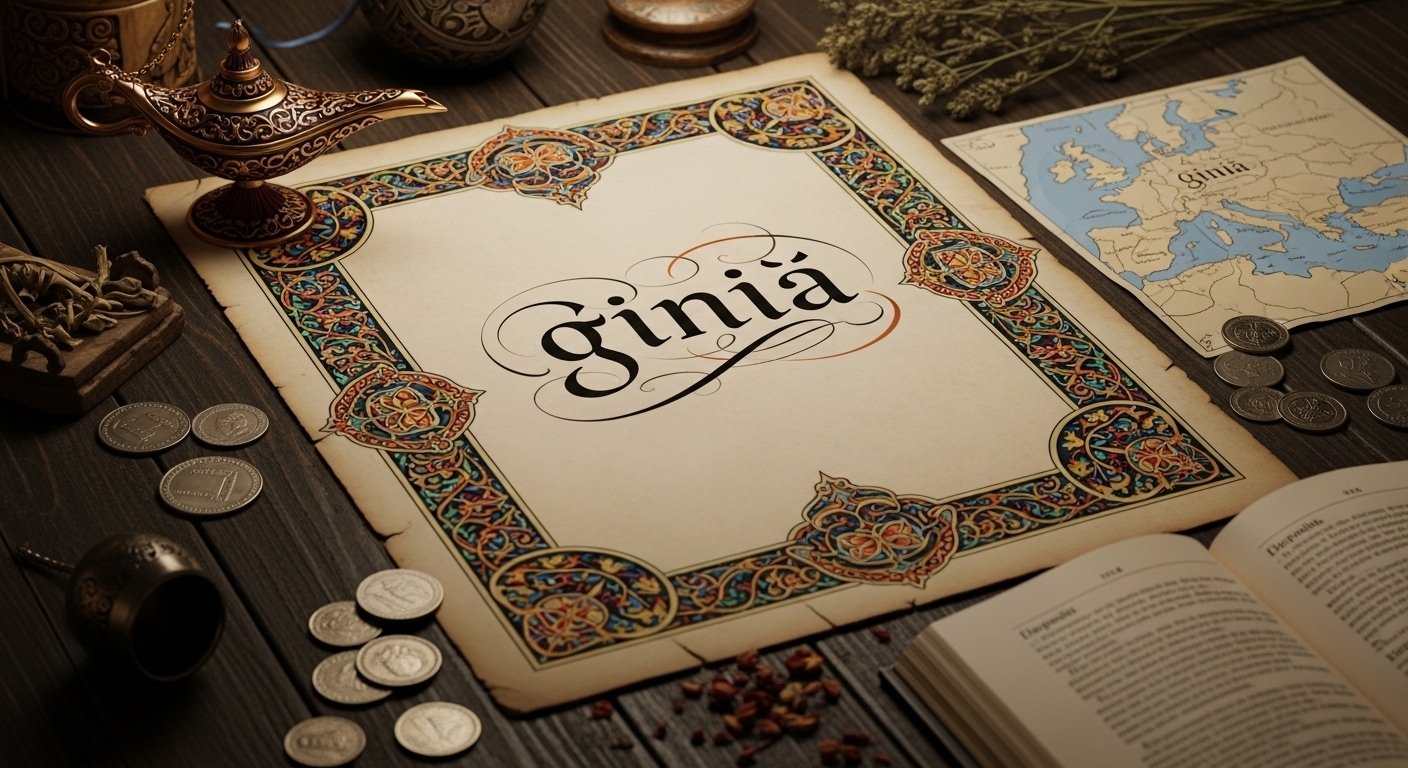
In the vast expanse of language, culture, and digital expression, certain words or terms emerge that capture curiosity, provoke questions, and invite deeper exploration. giniä is one such term — enigmatic, unique, and rich with potential meaning. While it may not yet be widely recognized in mainstream dictionaries or global discourse, its presence in creative, linguistic, or cultural contexts presents an interesting case for analysis. In this article, we’ll explore what giniä might represent, how it can be interpreted, and the potential ways it connects to culture, language evolution, and personal identity.
We will examine its possible origins, contextual applications, cultural implications, and the roles such unique terms play in shaping communication and identity in a digital world. Whether giniä is a coined expression, a symbolic term, or part of a creative lexicon, its uniqueness invites readers to consider the ways language evolves and meaning is constructed.
What Is giniä? — Exploring the Term
At first glance, giniä may appear unfamiliar. It does not correlate directly with major dictionary entries in English, Spanish, or widely known global languages. The presence of the accented “ä” gives it a distinctive visual character, suggesting influences from languages that use diacritical marks — such as Germanic languages, Scandinavian tongues, or phonetic adaptations in creative writing.
While giniä lacks a verified definition in major lexicons, its ambiguous form allows for flexible interpretation. In modern communication, especially in digital spaces like social media, gaming, forums, or artistic platforms, original terms are often developed organically — reflecting identity, creativity, and evolving linguistic play.
The Linguistic Structure of giniä
The structure of the word giniä suggests it could be a compound or stylized word with deeper phonetic and symbolic meaning.
1. The Accent: ä
The use of “ä” indicates a specific phonetic nuance that is uncommon in English but familiar in languages such as Swedish, Finnish, or German. In these languages, diacritical marks modify pronunciation and meaning:
- In Swedish or Finnish, “ä” is pronounced similarly to the “a” in “cat.”
- In German, it often softens the vowel sound.
Including this mark in giniä could imply a linguistic borrowing or a stylistic choice to signal uniqueness or cultural influence.
2. The Base Form: “gini”
The root “gini” could be associated with various linguistic elements. For example:
- In Italian or French, similar structures appear in artistic or personal names.
- In creative phonetics, “gini” could evoke words like “genie,” suggesting magic or imagination.
Pairing “gini” with the accented “ä” results in a term that feels both familiar and novel, bridging recognizable sound patterns with artistic flair.
Possible Meanings and Interpretations
Because giniä lacks a fixed definition, its meaning can vary depending on context. Several potential interpretations include:
Artistic or Creative Identity
In artistic communities, especially online, unique terms like giniä often serve as identity markers. Artists, musicians, and creators may adopt such names to differentiate their work, embody a persona, or signal creative intention.
Linguistic Innovation
Words evolve over time. Many neologisms began as playful experiments that later gained meaning through adoption by communities. Giniä could be a candidate for such linguistic evolution — a flexible term that grows through usage.
Symbolic Representation
In some cases, terms like giniä hold symbolic meaning. For example, they may represent:
- A personal philosophy
- A creative worldview
- A cultural movement
- A digital identity or brand
By interpreting giniä as a concept rather than a literal word, we open the door to deeper meaning and creative expression.
giniä in Digital Culture
The digital age has accelerated the creation and spread of unique terms. Words that once might have appeared only in private journals or small creative circles now propagate rapidly through:
- Social media
- Gaming communities
- Visual art platforms
- Creative writing forums
- Music and performance spaces
Here’s how giniä might be used in digital culture:
1. As a Username or Handle
In gaming or social networking, giniä could function as a personal identifier — a way for users to express individuality in a crowded digital space.
2. As an Artistic Brand
Musicians, visual artists, or digital creators might adopt giniä as a brand name, making their work directly associated with this term.
3. In Creative Writing
Authors and poets often invent unique terminology to evoke mood, place, or character identity. Giniä could be integrated into worldbuilding or narrative elements.
The Role of Unique Terms in Cultural Identity
Language is not static. Over centuries, human communication has evolved through borrowing, reinvention, and innovation. Terms like giniä, even if not widely recognized academically, contribute to the living fabric of language and culture.
Unique terms and neologisms often perform the following cultural functions:
Expressing Identity
New words allow individuals and groups to express unique aspects of themselves that standard vocabulary cannot capture.
Fostering Community
When a term resonates with a group of people, it helps build shared identity and community bonds.
Encouraging Creativity
Linguistic innovation encourages creative thinking, pushing the boundaries of expression and communication.
Pronunciation of giniä
Because giniä is not a mainstream term, pronunciation can vary. However, based on phonetic patterns, a plausible pronunciation might be:
“gi-nee‑ah” — with emphasis on the flow between syllables and a clear, open vowel sound in the accented “ä.”
This pronunciation allows the term to carry cadence and rhythm that fits well in spoken language.
giniä and Brand Development
If giniä were to be developed into a brand — whether personal, artistic, or commercial — several strategic approaches could aid its growth:
1. Visual Identity
Designing a logo, color palette, and visual theme that reflects the mood of giniä is essential. Elegant typography that highlights the accented “ä” can reinforce uniqueness.
2. Storytelling
Stories help brands connect emotionally with audiences. Framing giniä as a narrative — whether rooted in creativity, exploration, or personal expression — can deepen engagement.
3. Consistent Messaging
Consistency in language, tone, and context strengthens recognition. Whether giniä appears in social posts, web pages, or artwork descriptions, coherent messaging builds audience trust.
4. Audience Interaction
Encouraging followers or communities to interpret the term, use it creatively, or share their own experiences can expand the term’s reach and meaning.
Challenges and Opportunities
While unique terms like giniä offer opportunities for creativity and identity building, they also come with challenges:
Lack of Immediate Recognition
Because giniä is unfamiliar, initial exposure may require explanation or context to audiences.
Potential Misinterpretation
Without clear meaning, different audiences may interpret it in unintended ways. Strategic contextual framing helps guide interpretation.
Global Accessibility
In multilingual contexts, the accented “ä” may render the term unfamiliar or difficult to type on keyboards without special characters. Creative alternatives (such as “ginia”) could be used for broader accessibility while preserving brand identity.
Case Studies: Creative Terms That Became Cultural Symbols
Looking at history, we can identify examples where unique or coined terms found cultural traction:
1. Google
Originally a playful misspelling of “googol,” the term has evolved into a globally recognized brand and verb.
2. Spotify
A coined term that carries no prior meaning but now represents a major global platform for music.
3. Instagram
A blend of “instant” and “telegram,” it became one of the most widely used social platforms.
These examples show how unique terms can evolve into significant cultural and digital phenomena. Giniä could follow a similar path — shaped by creative application and community adoption.
The Future of giniä
Whether giniä remains a niche term used by a small creative circle or expands into widespread recognition depends on its application and cultural uptake. In an era marked by rapid digital expression and brand experimentation, even the most unconventional terms have potential to find audiences.
As language continues to evolve, terms without predefined meanings gain space to grow organically. Giniä, with its distinctive structure and evocative visual appearance, stands as an example of linguistic possibility — where meaning is not static but shaped through use, interaction, and cultural resonance.
Conclusion
giniä may not yet be a term found in dictionaries or academic texts, but its ambiguity is precisely what makes it valuable. In a world where communication, identity, and creativity intersect more than ever before, unique terms like giniä invite exploration, interpretation, and expression.
By embracing the flexibility of language, digital communities, creators, and thinkers can transform such terms into meaningful cultural symbols. Whether as a personal brand, creative concept, or artistic identity, giniä represents the power of language to evolve — shaped by imagination, usage, and cultural engagement.
The journey of words like giniä reminds us that language is not merely a tool for communication but a canvas for innovation, identity, and human connection. In the end, giniä’s meaning will be shaped not only by definition but by the people who choose to give it voice.


- Blog9 months ago
El verdadero significado de Honrar a Dios según la Biblia
- Blog9 months ago
¡Entérate qué es un anatema según la Biblia!
- Blog9 months ago
Descubre el significado bíblico de la ignominia
- Blog9 months ago
Qué simboliza el color naranja en la Biblia?
- Blog9 months ago
Qué significa ver un colibrí: leyendas y simbolismos
- Blog9 months ago
Descubre que significa «sabiduría» según la Biblia y cómo aplicarla en tu vida

 Entertainment7 months ago
هنتاوي.com: Discover Trending Arabic Content Online
- Blog9 months ago
El término cielo en la biblia católica: su profundo significado