Blog
¡Entérate qué es un anatema según la Biblia!

La palabra «anatema» tiene un significado profundo y a menudo es objeto de controversia. Para comprender su significado, es importante remontarse al origen de la palabra.
El término «anatema» proviene del griego ἀνάθημα (anáthēma) que significa «ofrenda votiva» o «cosa apartada». Según la Biblia, anatema se refiere a algo que se separa o se aparta para un uso específico, como una ofrenda sagrada.
En el contexto bíblico, el anatema también se refiere a una persona o cosa que está maldecida. Se trata de una declaración oficial de que alguien o algo ha sido separado de la gracia de Dios.
La maldición del anatema
La maldición del anatema se encuentra en varios pasajes de la Biblia, incluyendo 1 Corintios 16:22, donde se dice: «Si alguno no ama al Señor, sea anatema». Esta es una fuerte advertencia de que aquellos que no aman a Dios están apartados de Él y bajo su maldición.
En Gálatas 1:8-9, el apóstol Pablo dice: «Pero si aun nosotros, o un ángel del cielo, os anunciara otro evangelio contrario al que os hemos anunciado, sea anatema». Esto indica que cualquier persona que predique un falso evangelio está bajo la maldición de Dios.
El anatema también se menciona en Deuteronomio 7:26, donde se dice que «no podrás traer cosa abominable a tu casa, para que no seas anatema; lo aborrecerás y lo abominarás totalmente, porque es anatema». Esta es una advertencia de no traer a la casa nada que esté maldecido, ya que eso también afectará a todos los que habitan en ella.
La diferencia entre maldición y anatema
Aunque la maldición y el anatema suelen confundirse, hay una diferencia importante. La maldición es una declaración de que alguien está bajo la influencia de una fuerza maligna, mientras que el anatema es una declaración de separación de Dios.
En otras palabras, la maldición se refiere a una influencia negativa en la vida de una persona, mientras que el anatema se refiere a la separación espiritual de Dios. Ambos son formas de llamado a la atención de Dios sobre algo o alguien, pero tienen un enfoque diferente.
Preguntas frecuentes acerca del significado de «anatema» según la Biblia
A: En la Biblia, «anatema» se refiere a un objeto o criatura dedicado a ser ofrenda sacrificial y destinado a la destrucción. Además, en el Nuevo Testamento, San Pablo utilizó la palabra para significar una maldición y la expulsión forzada de alguien de la comunidad de cristianos.
Q: ¿Cuál es el origen de la palabra «anatema»?
A: «Anatema» es una palabra de origen griego antiguo, derivado del verbo «anathemi», que significa «ofrecer».
Q: ¿Qué es un «anatema» eclesiástico?
A: En el siglo VI, el significado litúrgico de «anatema» evolucionó para significar una maldición eclesiástica formal de excomunión y condenación de doctrinas heréticas.
Q: ¿Qué es el Rito de la Ortodoxia?
A: El Rito de la Ortodoxia es una celebración de la Iglesia Ortodoxa que se celebra en el primer domingo de Cuaresma. En ella se pronuncian anatemas contra numerosas herejías.
Q: ¿Es posible el perdón de un «anatema» en la Iglesia Ortodoxa?
A: Sí, «anatema» no implica una condena final para los Ortodoxos, pues hasta el momento de la muerte siempre es posible el arrepentimiento. La Iglesia Ortodoxa Oriental distingue entre «epitemia» (penitencias) y «anatema», este último es el último recurso y debe ser precedido de intentos pastorales para razonar con el ofensor.
La expiación del anatema
En el Antiguo Testamento, el anatema implicaba la muerte y destrucción completa de la persona o cosa maldecida. Sin embargo, en el Nuevo Testamento, encontramos la enseñanza de que Jesús murió para librarnos del anatema.
Como se menciona en Gálatas 3:13: «Cristo nos redimió de la maldición de la ley, hecho por nosotros maldición». Debido a la obra de Jesús en la cruz, ya no estamos bajo el anatema y tenemos acceso a la gracia de Dios.
El uso actual del término «anatema»
Aunque el anatema se refiere originalmente a algo que está separado o apartado para un uso específico, en la cultura moderna ha adquirido un significado diferente.
Hoy en día, la palabra «anatema» a menudo se usa para referirse a alguien o algo que se considera completamente inaceptable o despreciable. Por ejemplo, «esa postura política es anatema para mí» o «esa idea es anatema para la sociedad».
Es importante tener en cuenta que este uso moderno de la palabra no tiene que ver con el anatema en el contexto bíblico. Simplemente es una forma de expresión para indicar el rechazo total de algo o alguien.
En definitiva, el anatema es una declaración oficial de separación de la gracia de Dios. Se utiliza tanto en el Antiguo como en el Nuevo Testamento para advertir a aquellos que se apartan de la verdad de Dios.
Aunque el anatema se ha utilizado tradicionalmente para referirse a la maldición y la condenación, a través de la obra de Jesús en la cruz, ya no estamos bajo su maldición. Ahora tenemos acceso a la gracia de Dios y podemos vivir en libertad y paz.
Es importante recordar que el uso moderno de la palabra «anatema» no tiene que ver con su significado original en la Biblia. Debemos tener cuidado de no confundir estos dos significados diferentes.
¿Cuál es un ejemplo de anatema?
¿Cuál es un ejemplo de anatema?
La palabra anatema tiene, en su uso común, el significado de algo o alguien detestado o evitado. Ahora bien, en el ámbito de la religión, este término se utiliza para referirse a una excomunión formal. Aunque la palabra es de origen griego, su uso se ha extendido a otras culturas y sociedades, incluyendo la mexicana. Pero, ¿cuál es un ejemplo de anatema?
Para responder esta pregunta, es necesario hacer un recorrido histórico por el origen de la palabra y su evolución en el cristianismo. Según estudiosos de la religión, el término «anathema» se originó en el griego antiguo, y derivó del verbo «anathemi», que significa «ofrecer». En el Antiguo Testamento, el anatema se refería a un objeto o criatura dedicado a ser ofrenda sacrificial y destinado a la destrucción.
En el Nuevo Testamento, la palabra fue utilizada por San Pablo para significar una maldición y la expulsión forzada de alguien de la comunidad de cristianos. El sentido original de la palabra denota un acto de condena y rechazo que se sella mediante la maldición del afectado.
En la Edad Media, el significado litúrgico de la palabra evolucionó para significar una maldición eclesiástica formal de excomunión y condenación de doctrinas heréticas. En este sentido, el anatema era usado por la Iglesia Católica para declarar herejes a aquellos que no seguían sus dogmas y excomulgarlos. Con el tiempo, esta práctica se fue extendiendo a otras religiones, como la Ortodoxa Oriental y la Iglesia Anglicana.
La Iglesia Ortodoxa Oriental, por su parte, distingue entre «epitemia» (penitencias) y anatema. Según su tradición, el anatema es el último recurso y debe ser precedido de intentos pastorales para razonar con el ofensor. Es decir, no es una condena final, y hasta el momento de la muerte siempre es posible el arrepentimiento. De hecho, en la Iglesia Ortodoxa, el arrepentimiento juega un papel fundamental en el proceso de restauración de la comunión con Dios y con la comunidad.
En el primer domingo de Cuaresma, se celebra el Rito de la Ortodoxia en el que se pronuncian anatemas contra numerosas herejías. Este rito es una manifestación pública de la fe ortodoxa y sirve como una afirmación de la doctrina de la Iglesia contra cualquier enseñanza que se oponga a ella. En este contexto, el anatema es una herramienta para proteger la pureza de la fe y evitar el error.
Ahora bien, ¿cuál es un ejemplo de anatema en la sociedad mexicana? Aunque la palabra no se utiliza con frecuencia en el lenguaje coloquial, existen casos en los que se ha aplicado. Uno de los casos más conocidos es el de la iglesia de La Luz del Mundo, una organización religiosa fundada en Guadalajara, Jalisco, en 1926. La iglesia ha sido objeto de controversia debido a su doctrina y sus prácticas, que algunos consideran heréticas y cuestionables.
En 2019, el líder de la iglesia, Naasón Joaquín García, fue arrestado en Estados Unidos acusado de múltiples delitos, incluyendo violación de menores, pornografía infantil y tráfico de personas. La noticia causó una conmoción en la sociedad mexicana y eventos similares ocurrieron en otros países donde la iglesia estaba presente. Como resultado, algunos líderes de la iglesia fueron señalados como cómplices y encubridores, y se les acusó de herejía.
Aunque la iglesia ha negado las acusaciones y ha defendido su fe y sus prácticas, para muchos ésta se ha convertido en un anatema. El hecho de que su líder haya sido acusado y detenido ha puesto en duda su credibilidad y ha creado divisiones dentro de la propia organización. Además, ha generado un debate en la sociedad mexicana sobre la influencia y el poder que tienen las iglesias en la formación de valores y creencias en la sociedad.
Por lo tanto, ¿cuál es un ejemplo de anatema? A lo largo de la historia, esta palabra ha sido usada para condenar a aquellos que no siguieran las doctrinas de la Iglesia. En la sociedad mexicana, un caso reciente en el que se ha aplicado este término es el de la iglesia de La Luz del Mundo. Sin embargo, cabe destacar que esta palabra es un recurso extremo utilizado en contextos religiosos o eclesiásticos, y su aplicación debe ser justificada y razonada.
¿Qué significa la palabra anatema según la Biblia Reina Valera?
Anatema es una palabra que aparece en la Biblia en varias ocasiones y que tiene un significado muy particular según la Biblia Reina Valera.
La palabra anatema proviene del griego «anáthema» y del hebreo «jêrem». En la LXX, «anáthema» se usa comúnmente para traducir «jêrem», que significa una cosa dedicada o maldita. En el NT, «anatema» se utiliza para pronunciar una maldición sobre alguien o para ponerse uno mismo bajo maldición.
De acuerdo con la Biblia Reina Valera, el concepto de anatema en el AT se refiere a algo o alguien que ha sido puesto bajo una prohibición destinada a la destrucción o apartado de la sociedad. Violar o incumplir un «anatema» era considerado sacrilegio y acarreaba un castigo severo.
La prohibición del anatema se encuentra en Deuteronomio 7:25-26, donde se prohíbe la adquisición de objetos paganos y toda clase de graven imagen y molde. Deuteronomio 13:12-17 también prohíbe cualquier ciudad que se aparte de Dios, y dice que la ciudad deberá ser destruida. Además, el botín de guerra podía ser consagrado como «anatema» por orden divina y debía ser destruido.
El pecado de Acán consistió en tomar algo del «anatema». Josué 7:1-25 dice que Acán tomó una capa, 200 siclos de plata y una barra de oro del botín de guerra, y los escondió en su tienda. Como resultado, Dios retiró su protección del pueblo de Israel y permitió que su enemigo los derrotara en una batalla.
En el NT, la palabra anatema también significa blasfemia o maldición. Su uso se encuentra en Gálatas 1:8-9, donde se dice que aquellos que predicaran un evangelio diferente al que los apóstoles enseñaron serían anatema.
Otro uso de la palabra se encuentra en Romanos 9:3, donde Pablo dice que estaría dispuesto a ser anatema (es decir, estar separado de Cristo) por la salvación de su pueblo.
En definitiva, el significado de la palabra anatema es muy claro según la Biblia Reina Valera. Se trata de una prohibición divina que implica la destrucción o alejamiento del objeto o la persona en cuestión. En el NT, también puede referirse a la blasfemia y la maldición. Por lo tanto, es importante tener en cuenta el contexto en que se utiliza y su significado específico para entender su importancia en la Biblia.
¿Cuál es el sinónimo de anatema?
El término «anatema» presenta varios matices en su definición. Según el Diccionario de la Lengua Española de 2005 de Espasa-Calpe, anatema es la «pena eclesiástica consistente en la exclusión de la comunión de los fieles y cualquier relación con ellos». Esta definición nos lleva directamente a su sinónimo y a un término quizá más conocido: la excomunión.
Pero el anatema también tiene otros significados vinculados a la maldición, la reprobación o la condena. Es decir, es una palabra muy acorde con un tono de castigo o repudio. A menudo, en películas de época, se utiliza el término «anatema» para dar mayor énfasis, dramatismo o culpa a la escena.
Precisamente hay una película sobre este tema, Anatema, que transcurre en la Edad Media y que se enfoca en varios casos de anatemas. Un estricto y devoto sacerdote de la Iglesia católica medieval prefiere quemar en la hoguera a un joven acusado de herejía antes que permitir que impíos laicos lo maten. Este sacerdote sabe que la ley canónica prohibe que un cristiano mate a otro, pero permite que un hombre de Dios dé la bendición para el ajusticiamiento. ¿Será la excomunión suficiente castigo para el fraile que realiza la matanza o debería el personaje recibir su propio anatema?
Es interesante mencionar que, al buscar sinónimos de «anatema», éstos parecen igualmente fuertes y negativos. Tenemos palabras como «excoriación», «imprecación», «maldecir», «proscrito» o «repudio». Todos ellos vibran con la misma furia o repudio que la palabra «anatema».
Algunos dicen que, a pesar de que existe un sinónimo preciso para «anatema», no todos los sinónimos tienen el mismo impacto o efecto. Por ejemplo, «maldición» podría ser el sinónimo más directo, pero en ocasiones suena más fuerte que «anatema». Al contrario, «excoriación» -aun siendo una palabra compleja- no produce tanto miedo o terror como «anatema».
¿De dónde viene esta palabra?
Según la Nueva Enciclopedia Sopena, de Sopena Editorial, la palabra «anatema» tiene origen griego, donde significa «lo que se entrega», ya sea para ser devorado por los perros, condenado o expulsado. En el cristianismo primitivo, el término se empleaba para designar una excomunión solenne o separación de la comunidad de los fieles para siempre.
En la Edad Media la palabra «anatema» tenía una connotación más amplia y se refería a la maldición de un objeto o a la impregnación de un objeto con energías negativas. Durante la Inquisición española, se pronunciaba la maldición de anatema sobre aquellos que eran acusados de herejía o de ciertos delitos.
Hoy en día en algunos países como Portugal, «anatema» se utiliza para referirse a objetos o personas que están malditos o condenados. En Brasil, por ejemplo, se utiliza esta palabra para describir una especie de embrujo o hechizo, algo similar a lo que en países como México podría denominarse «mal de ojo» o «trabajarle».
En última instancia, aunque el término «anatema» tiene un sinónimo directo como es la excomunión, su utilización e impacto se extiende a otros términos como la condena, la maldición o el repudio. Es decir, aunque en la actualidad la Iglesia Católica sigue utilizando el «anatema» para referirse a la exclusión de la comunión de los fieles, el uso del término se ha extendido a otros ámbitos y situaciones en las que se quiere resaltar el carácter de condena o repulsión.
Como periodistas, nuestra labor es siempre trasmitir de la forma más clara y fidedigna posible la noticia. En este sentido, cabe destacar que el uso preciso y adecuado de las palabras es fundamental para evitar confusiones, errores o malinterpretaciones.
Gracias a su origen griego, el término «anatema» sigue guardando su esencia de severidad y de exclusión que le otorgaron los primeros cristianos. Maldición, excomunión, reprobación, castigo. Todos ellos son sinónimos cercanos de anaema y poseen esa carga simbólica que nos sugiere la presencia de una autoridad que juzga, condena y excluye.
Así que ya lo sabes, si en algún momento debes utilizar la palabra «anatema», ten cuidado de no usarla a la ligera. A pesar de que en algunos casos podríamos considerarla un poco anquilosada, sigue siendo una palabra que carga con un gran peso emocional.

Imagine a world where ceramic materials are no longer just functional but also transformative. Meet Sodiceram, the innovative game-changer in the realm of ceramics. This advanced material blends durability with aesthetics, paving the way for remarkable applications across various industries. Whether you’re an architect seeking inspiration or a designer looking to elevate your projects, Sodiceram promises to redefine what’s possible. Its unique properties not only enhance performance but also open up new avenues for creativity and innovation. Let’s dive into what makes Sodiceram stand out in today’s market and explore how it is shaping the future of construction and design.
Key Features of Sodiceram
Sodiceram stands out due to its unique composition. This innovative ceramic material is designed for durability and versatility. It’s engineered to withstand extreme temperatures, making it ideal for a variety of environments.
Another key feature is its lightweight nature. Unlike traditional ceramics, Sodiceram offers ease in handling and installation. This not only speeds up construction time but also reduces labor costs.
Its aesthetic appeal cannot be overlooked either. Sodiceram comes in various colors and finishes, allowing designers to unleash their creativity without compromising functionality.
You Might Also Like: HMS Photovoltaik
Additionally, the material boasts excellent moisture resistance. This property makes it suitable for both indoor and outdoor applications, ensuring longevity even in challenging conditions.
Sodiceram is eco-friendly. Made from sustainable resources, it aligns with modern environmental standards while maintaining superior performance characteristics.
Applications of Sodiceram
Sodiceram is making waves in various industries due to its versatility. From architecture to interior design, this innovative material adapts seamlessly to different environments.
In commercial spaces, Sodiceram surfaces offer a blend of aesthetics and functionality. Retail stores leverage its durability while enhancing visual appeal.
Residential applications are equally impressive. Homeowners appreciate the stylish options for countertops, flooring, and even wall cladding. Its resistance to stains and scratches makes it ideal for high-traffic areas.
The healthcare sector also benefits from Sodiceram’s hygienic properties. Hospitals utilize it in patient rooms and surgical theaters where cleanliness is paramount.
Even outdoors, Sodiceram shines as an excellent choice for landscaping features or patio designs. Its ability to withstand varying weather conditions ensures long-lasting beauty and performance across all settings.
Advantages of Using Sodiceram
Sodiceram brings a host of advantages to the table, making it an appealing choice for various projects. Its lightweight nature simplifies installation, reducing both labor costs and time on-site.
Durability is another standout feature. Unlike traditional ceramics, Sodiceram is resistant to cracking and chipping. This longevity ensures that surfaces look great even under heavy use.
Additionally, it’s eco-friendly. Made from sustainable materials, it contributes positively to green building practices. Architects appreciate this aspect when aiming for LEED certification or similar standards.
Another key benefit lies in its versatility. Available in numerous colors and textures, Sodiceram can easily adapt to any design aesthetic without compromising performance.
Maintenance is minimal compared to conventional options; it requires less frequent cleaning while resisting stains effectively. These qualities make Sodiceram a smart investment for architects and builders alike.
Sodiceram vs Traditional Ceramic Materials
Sodiceram stands out when compared to traditional ceramic materials. Its unique composition provides enhanced durability and flexibility, which are often lacking in conventional ceramics.
While traditional ceramics can be brittle, Sodiceram boasts increased resistance to cracking and chipping. This makes it a more reliable choice for both structural applications and intricate designs.
Another major difference lies in the versatility of Sodiceram. It can be molded into complex shapes with ease, opening up creative possibilities that standard ceramics simply cannot match.
Additionally, the lightweight nature of Sodiceram contributes significantly to its appeal. Traditional ceramic materials tend to add substantial weight to structures, whereas Sodiceram allows architects and designers to achieve stunning aesthetics without compromising structural integrity.
The sustainability factor also plays a role; many traditional ceramics have high environmental costs associated with their production, while innovations like Sodiceram focus on eco-friendly processes.
Why Architects and Designers Choose Sodiceram
Architects and designers are increasingly turning to Sodiceram for its versatility. This innovative material allows for a range of creative possibilities, making it easier to bring unique visions to life.
The aesthetic appeal of Sodiceram is another significant factor. With various textures and colors available, it can seamlessly blend into any design style, from modern minimalism to classic elegance.
Durability also plays a crucial role in their decision-making process. Unlike traditional materials, Sodiceram withstands environmental stressors without compromising its appearance or functionality.
Moreover, the lightweight nature of Sodiceram simplifies the installation process. Designers appreciate how this reduces labor costs while allowing for more intricate designs that might be impractical with heavier materials.
Sustainability is becoming increasingly important in architecture. The eco-friendly attributes of Sodiceram resonate well with professionals who prioritize responsible sourcing and manufacturing practices in their projects.
The Future of Sodiceram in Construction and Design
As the demand for sustainable building materials grows, Sodiceram is poised to lead the charge in construction and design. Its innovative properties open doors to new possibilities that were previously unimaginable.
Imagine structures that not only withstand time but also minimize environmental impact. With its durability and low maintenance requirements, Sodiceram fits perfectly into eco-friendly initiatives.
Architects are exploring unique textures and colors, allowing for a diverse range of aesthetics. This adaptability makes it an appealing choice for modern projects.
Furthermore, as technology advances, we can expect even more enhancements in Sodiceram’s formulations. Such developments could revolutionize how materials are used in everyday applications.
The shift toward integrating smart elements within ceramics could also redefine functionality, blending art with purpose seamlessly. The future looks bright for this remarkable material as it takes center stage in contemporary architecture and design endeavors.
Conclusion
Sodiceram is rapidly transforming the landscape of construction and design. Its innovative properties offer endless possibilities for architects and designers who seek materials that not only look stunning but also perform exceptionally well. As sustainability becomes a priority, Sodiceram stands out as an eco-friendly choice that does not compromise on quality or aesthetics.
The advantages it brings, from enhanced durability to versatile applications, make it clear why this material is gaining traction in various industries. Traditional ceramics may have their place, but Sodiceram’s unique features are paving the way for modern solutions that resonate with current trends.
As we move forward into a world where design meets functionality seamlessly, embracing materials like Sodiceram will undoubtedly shape the future of architecture and interior spaces. The demand for innovation continues to rise; therefore, keeping an eye on developments in this sector could be crucial for anyone involved in building or designing environments meant to inspire and endure.

In today’s fast-paced digital world, businesses, creators, and innovators are constantly searching for ways to stand out, engage audiences, and adapt to ever-evolving technologies. With millions of platforms, products, and ideas competing for attention, capturing a user’s interest is only the first step. The real challenge lies in transforming attention into meaningful engagement, loyalty, and measurable success. This is where hormita emerges as a powerful concept in the modern digital landscape.
Although still relatively new, hormita has begun to gain recognition as a term symbolizing creativity, innovation, and adaptive strategies. It can represent a digital methodology, a brand identity, a creative framework, or a technological approach that emphasizes transformation, efficiency, and problem-solving. Its versatility and originality make it highly valuable for entrepreneurs, digital strategists, and creative professionals looking to differentiate themselves in competitive markets.
Read: BlogFontlu
This article delves deeply into hormita—exploring its potential meaning, principles, applications, benefits, and its growing relevance in shaping modern business and digital practices.
Understanding Hormita
At its core, hormita represents a mindset focused on achieving tangible results through innovation, user-centered design, and technology-driven strategies. Unlike traditional frameworks that prioritize outputs over experience, hormita emphasizes a holistic approach where technology, creativity, and strategy are seamlessly integrated.
Key characteristics of hormita include:
- Innovation-Centric Thinking: Encouraging creative solutions and experimentation in business and technology.
- Adaptability: Remaining flexible in fast-changing environments.
- User-Focused Design: Prioritizing meaningful experiences for audiences or customers.
- Technology Integration: Leveraging tools like AI, automation, and analytics to streamline operations and decision-making.
By combining these elements, hormita serves as a modern framework that allows organizations and creators to solve complex challenges while remaining agile, innovative, and results-oriented.
The Evolution of Digital and Business Strategies
To understand the relevance of hormita, it is essential to examine how business and digital strategies have evolved over time.
Early Business Approaches
Traditionally, businesses relied on methods such as:
- Direct sales and personal interactions
- Printed marketing materials
- Manual operational processes
While effective for their time, these methods lacked scalability and were limited in adaptability in a rapidly digitizing world.
The Digital Emergence
With the rise of the internet and digital platforms, businesses had to rethink strategies:
- Websites and e-commerce platforms became critical
- Email marketing, social media, and digital ads started replacing traditional campaigns
- Analytics and data metrics became essential for informed decision-making
This shift created the foundation for modern frameworks like hormita, which go beyond basic digital adoption and integrate technology, creativity, and optimized processes.
Data-Driven Optimization
Modern organizations rely heavily on data-driven strategies to improve efficiency and customer experience. By analyzing user behavior, market trends, and performance metrics, businesses can make smarter decisions. Hormita builds on this principle by embedding data insights into every aspect of operations and digital engagement.
Core Principles of Hormita
Several principles define the hormita approach:
1. Innovation and Creativity
At the heart of hormita is innovation. Organizations are encouraged to think beyond conventional solutions and experiment with new approaches. Examples include:
- Developing advanced digital tools
- Designing intuitive, user-friendly interfaces
- Creating experimental marketing and engagement campaigns
2. Adaptability and Agility
The modern marketplace is dynamic. Hormita emphasizes flexibility in:
- Project management
- Strategic planning
- Responding to evolving customer needs
3. Technology Integration
Technology plays a central role in hormita. Key areas include:
- Artificial Intelligence: Predictive analytics and automation for smarter workflows
- Data Analytics: Informing decisions and optimizing strategies
- Process Automation: Reducing manual tasks and enhancing operational efficiency
4. User-Centered Approach
A successful hormita strategy prioritizes the user experience. By understanding audience preferences and behaviors, businesses can create engaging and intuitive interactions that drive loyalty and conversions.
Applications of Hormita
The versatility of hormita allows it to be applied across multiple sectors:
Technology and Startups
Tech companies can leverage hormita to:
- Develop innovative software or platforms
- Integrate AI and machine learning solutions
- Facilitate collaborative workflows for remote teams
Marketing and Branding
Digital marketing strategies benefit from hormita by:
- Optimizing website and app user experiences
- Implementing data-driven and personalized campaigns
- Improving engagement through targeted content and interactive experiences
Education and Knowledge Platforms
Educational platforms can use hormita to:
- Offer adaptive learning and interactive courses
- Enable collaborative learning communities
- Personalize experiences to improve knowledge retention
Creative Industries
Artists, designers, and creators can apply hormita to:
- Launch experimental visual campaigns
- Incorporate immersive technologies like AR/VR
- Build innovative digital identities and brands
Benefits of Adopting Hormita
Organizations and creators that embrace hormita can achieve significant advantages:
- Improved Efficiency: Streamlined workflows and decision-making
- Higher Engagement: User-focused experiences drive loyalty
- Increased Innovation: Encourages creative experimentation
- Scalability: Adapts strategies for evolving markets and platforms
- Stronger Brand Identity: Establishes a memorable presence in competitive environments
Tools Supporting Hormita Strategies
Implementing hormita effectively requires modern digital tools:
- Analytics Platforms: Track performance and user behavior
- Marketing Automation: Streamline campaigns and audience engagement
- Collaboration Software: Efficiently manage projects and remote teams
- AI Insights: Provide predictive decision-making and personalization
Challenges in Implementing Hormita
While beneficial, adopting hormita can present challenges:
- Complexity: Balancing creativity, technology, and strategy can be challenging
- Continuous Adaptation: Businesses must continuously evolve strategies
- Data Privacy: Ensuring responsible technology use while respecting regulations
- Resource Allocation: Investing in tools, infrastructure, and training is essential
Future Trends in Hormita
As technology evolves, hormita will continue to grow:
- AI-Driven Personalization: Tailored experiences for customers
- AR/VR Integration: Immersive digital interactions
- Blockchain Applications: Secure and transparent operations
- Global Collaboration: Platforms connecting innovators worldwide
Why Hormita Matters
In today’s fast-changing digital economy, success requires more than technology adoption—it demands a holistic framework that integrates innovation, creativity, adaptability, and efficiency. Hormita empowers organizations to:
- Innovate effectively
- Optimize user experiences
- Strengthen brand value
- Adapt rapidly to emerging opportunities
Ultimately, hormita is more than a strategy—it is a philosophy for thriving in dynamic digital landscapes.
Conclusion
The concept of hormita represents a modern, versatile framework for digital transformation, creativity, and innovation. Its principles can be applied across industries—technology, marketing, education, and creative sectors—to build adaptive, impactful, and engaging strategies.
In an environment where originality and efficiency are critical, hormita provides the flexibility and innovation needed to succeed. With the right mindset, strategy, and tools, what starts as a simple concept can evolve into a powerful force shaping the future of business and digital engagement.
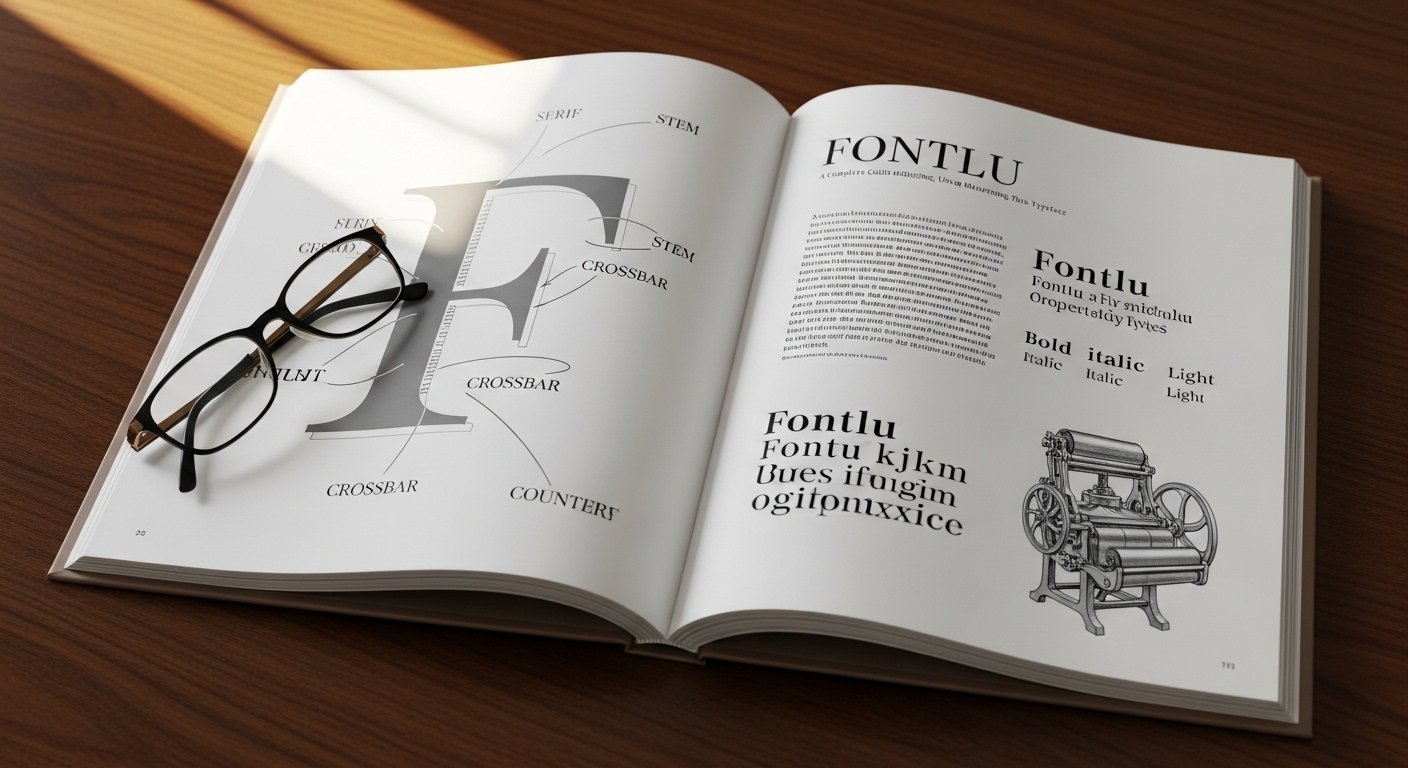
In the world of digital design, typography is one of the most critical elements that determine the overall look, feel, and effectiveness of any visual content. Among the wide array of fonts available, Fontlu has emerged as a popular choice for designers, content creators, and branding experts due to its versatility, aesthetic appeal, and readability. Whether you are creating a website, designing a logo, or developing marketing materials, Fontlu offers unique characteristics that make it stand out from the crowd.
This comprehensive guide explores everything you need to know about Fontlu—from its history and design features to practical uses, pairing tips, and modern applications. By the end of this article, you will have a complete understanding of Fontlu and how to incorporate it effectively into your projects.
What is Fontlu?
Fontlu is a typeface known for its clean lines, modern structure, and versatile design. It is widely appreciated for balancing readability with a contemporary aesthetic, making it suitable for both digital and print media. Fontlu is often used in branding, advertising, editorial design, and web development, thanks to its professional yet approachable look.
Read: Unsplash Guide
Key Features of Fontlu
- Versatility: Works well for headings, body text, and creative projects
- Readability: Clear letterforms enhance legibility even at smaller sizes
- Aesthetic Appeal: Modern and stylish design that complements various visual themes
- Compatibility: Works seamlessly across different platforms, from web to print
These features make Fontlu a go-to choice for designers looking for a typeface that is both functional and visually striking.
History of Fontlu
Fontlu was developed in the early 2010s by a group of typographers seeking to create a modern, clean font that could cater to both professional and creative applications. Inspired by contemporary sans-serif fonts, Fontlu was designed with a focus on readability, minimalism, and versatility.
Over the years, Fontlu has gained popularity in the design community due to its adaptability and ease of use. Designers, marketers, and publishers have embraced it for projects ranging from corporate branding to personal blogs, demonstrating the font’s universal appeal.
Design Characteristics
Fontlu exhibits several design characteristics that make it unique:
- Letterforms
Fontlu features geometric and balanced letterforms, giving it a modern, clean look. Rounded corners combined with straight lines provide a sense of approachability while maintaining professionalism. - Weight Variations
Fontlu comes in multiple weights, such as light, regular, medium, and bold. This range allows designers to create hierarchy and emphasis within their content easily. - Spacing and Kerning
Proper spacing and kerning make Fontlu highly readable. The spacing between letters ensures that text appears clean and uncluttered, even in dense paragraphs. - Versatile Characters
Fontlu includes numerals, punctuation marks, and special characters, making it suitable for both text-heavy content and creative design projects.
Uses of Fontlu
Fontlu’s versatility allows it to be used across a wide range of applications:
1. Branding and Logos
Fontlu is ideal for creating brand identities due to its modern and professional appearance. Businesses often use Fontlu in logos, business cards, and promotional materials to convey clarity, trustworthiness, and sophistication.
2. Web Design
On websites, Fontlu improves readability and aesthetics. It works well for headers, menus, and body text, ensuring that users have a pleasant reading experience across devices.
3. Print Media
Fontlu is equally effective in print media, including magazines, brochures, and flyers. Its clean lines and clear letterforms make printed content appear polished and professional.
4. Social Media Graphics
Designers frequently use Fontlu for social media posts, infographics, and digital advertisements. Its modern style enhances visual appeal and draws attention without overshadowing content.
5. Presentations and Reports
In professional presentations or reports, Fontlu ensures clarity and sophistication, helping convey information effectively while maintaining visual appeal.
Pairing Fontlu with Other Fonts
One of the advantages of Fontlu is how well it pairs with other typefaces. Combining Fontlu with complementary fonts can create visually engaging designs:
- Serif Fonts
Pairing Fontlu with classic serif fonts like Times New Roman or Georgia can create a balanced contrast between modern and traditional elements. - Script Fonts
Combining Fontlu with a decorative script font can add elegance to invitations, headings, or creative projects. - Other Sans-Serif Fonts
Pairing Fontlu with other sans-serif fonts can create a minimalist and cohesive look, suitable for tech or modern brands.
Tips for Using Fontlu Effectively
- Maintain Readability
Use appropriate font sizes and spacing, especially for body text, to ensure readability across all platforms. - Hierarchy and Emphasis
Utilize Fontlu’s weight variations to create hierarchy, emphasizing headings, subheadings, and important text. - Consistent Use
Avoid mixing too many fonts in one design. Use Fontlu consistently to maintain a cohesive visual style. - Color Contrast
Ensure sufficient contrast between Fontlu text and the background to enhance visibility and accessibility. - Responsive Design
When using Fontlu on websites, make sure it remains legible across different screen sizes and devices.
Advantages of Fontlu
- Modern and Professional: Suitable for a variety of projects
- High Readability: Easy to read in both digital and print media
- Versatile: Works for branding, design, and content creation
- Multiple Weights: Offers flexibility in design hierarchy
- Cross-Platform Compatibility: Looks great on all devices and mediums
Common Mistakes When Using Fontlu
- Overusing Bold Weights
Using bold excessively can reduce clarity and make designs look cluttered. - Ignoring Spacing
Proper kerning and line spacing are essential for readability; neglecting them can make text appear cramped. - Poor Color Choices
Using colors with low contrast can make Fontlu text hard to read. - Mixing Too Many Fonts
Combining Fontlu with too many other fonts can create visual chaos; stick to one or two complementary typefaces.
Fontlu in Modern Design Trends
As digital design continues to evolve, Fontlu fits seamlessly with current trends:
- Minimalist Design: Its clean and modern look complements minimalistic layouts.
- Flat Design: Fontlu pairs well with flat design elements, maintaining clarity and elegance.
- Responsive Typography: Optimized for web and mobile readability.
- Brand Consistency: Helps businesses maintain a professional and cohesive visual identity.
Fontlu in Branding Examples
- Corporate Branding
Companies use Fontlu for clean, professional logos and marketing materials, enhancing credibility. - Creative Agencies
Fontlu is popular in creative portfolios and advertising campaigns for its modern aesthetic. - Digital Platforms
Blogs, websites, and apps often utilize Fontlu for headers and body text to maintain clarity and appeal.
How to Get Fontlu
Fontlu is available through various font repositories and can be licensed for personal or commercial use. Designers should ensure proper licensing before use in commercial projects. Popular platforms include:
- Font marketplaces
- Design software libraries
- Official Fontlu website (if available)
Conclusion
Fontlu is a modern, versatile, and highly readable typeface suitable for a wide range of applications—from branding and web design to print media and social graphics. Its clean lines, weight variations, and professional aesthetic make it an essential tool for designers, marketers, and content creators.
By understanding Fontlu’s features, uses, and best practices, you can leverage this typeface to enhance your projects, maintain a cohesive visual style, and engage your audience effectively. Whether you are designing a website, creating marketing materials, or developing a brand identity, Fontlu provides the flexibility, clarity, and modern appeal needed for impactful design.
Embrace the power of Fontlu and elevate your design projects with a typeface that combines style, readability, and versatility.


- Blog10 months ago
El verdadero significado de Honrar a Dios según la Biblia
- Blog10 months ago
Qué simboliza el color naranja en la Biblia?
- Blog10 months ago
Qué significa ver un colibrí: leyendas y simbolismos
- Blog10 months ago
Descubre el significado bíblico de la ignominia
- Blog10 months ago
Descubre que significa «sabiduría» según la Biblia y cómo aplicarla en tu vida

 Entertainment8 months ago
هنتاوي.com: Discover Trending Arabic Content Online
- Blog10 months ago
El término cielo en la biblia católica: su profundo significado
- Blog10 months ago
¿Qué significa la palabra «shalom» en la Biblia?