Blog
Descubre el verdadero significado de «sojuzgar» según la Biblia

La palabra «sojuzgar» es una palabra poco común en nuestro lenguaje cotidiano, sin embargo, tiene una gran importancia en el contexto bíblico. En este artículo, exploraremos el significado de esta palabra de acuerdo con las Escrituras y su aplicación en nuestras vidas cotidianas.
Sojuzgar en la Biblia significa…
La Biblia utiliza la palabra «sojuzgar» para describir el acto de ejercer control o dominio sobre alguien o algo. En el Antiguo Testamento, la palabra hebrea ‘kabash’ se utiliza comúnmente para describir este concepto, que indica subyugar, someter o derrotar a alguien o algo. Mientras tanto, en el Nuevo Testamento, la palabra griega ‘kataduno’ se usa para describir este mismo concepto. Ambas palabras tienen un significado similar y se refieren al acto de subyugar a alguien o algo para ejercer control y dominio.
Entonces, ¿qué significa «sojuzgar» en la Biblia? En esencia, cuando se usa en este contexto, la palabra significa tener poder y control sobre algo.
Jesucristo y la soberanía divina
En la Biblia, la soberanía divina es un tema recurrente. En muchos pasajes, se hace referencia a la soberanía de Dios, y cómo Él es el único que tiene control total y absoluto sobre todas las cosas. Como tal, la idea de sojuzgar, en el sentido divino, está estrechamente relacionada con la soberanía divina. La Biblia nos muestra que Dios es el único que tiene verdadero poder y control, y cuando se usa la palabra «sojuzgar», a menudo se refiere a Dios como el que tiene este poder y control.
Un ejemplo clásico de esto está en el libro de Job. Después de pasar por una serie de pruebas y tribulaciones, Job finalmente se da cuenta de que sólo Dios tiene el poder y control para sojuzgar a todos los demás, incluyéndolo a él. Como resultado, Job aprende a poner su fe y confianza en Dios, quien tiene la capacidad de sojuzgar y controlar todas las cosas.
El propósito de sojuzgar según la Biblia
Aunque el término «sojuzgar» a menudo se asocia con ideas negativas de control, dominación y poder, la Biblia nos muestra que el propósito de sojuzgar es más bien para nuestra protección y beneficio. En el jardín del Edén, Dios dio a Adán y Eva la tarea de sojuzgar la tierra y tener control sobre todas las cosas. Esto no significaba que debían explotar y destruir la naturaleza, sino que debían ser buenos administradores de ella.
Esta idea se extiende a nuestras vidas como cristianos. Dios nos ha dado el poder y la autoridad para sojuzgar las cosas que nos rodean, no con el propósito de explotarlas, sino de administrarlas adecuadamente.
El peligro de sojuzgar incorrectamente
Aunque sojuzgar puede ser un acto de protección y administración adecuada, también es importante tener cuidado de no sojuzgar incorrectamente. Hay un peligro real de abuso cuando se ejerce control y poder sobre los demás, y la Biblia nos advierte sobre esto.
Cuando una persona trata de sojuzgar a otra sin amor, respeto y humildad, puede resultar muy dañino. Puede llevar a la opresión, el abuso y la explotación. La Biblia nos llama a controlar nuestros impulsos y motivaciones, para no caer en la tentación de sojuzgar de manera incorrecta.
En base a esto, la palabra «sojuzgar» tiene un significado importante en la Biblia. En esencia, significa tener control y poder sobre algo. La Biblia nos muestra que Dios es el único que tiene verdadero poder y control, y su soberanía es un tema recurrente en las Escrituras. Si se usa correctamente, sojuzgar puede ser un acto de protección y administración apropiada. Sin embargo, también es importante tener cuidado de no sojuzgar incorrectamente, ya que puede resultar en daño y opresión.
¿Qué es sojuzgar bíblicamente?
La palabra «sojuzgar» es una palabra que en la lengua castellana denota la acción de mandar violentamente sobre alguien. Este vocablo proviene del prefijo «so-» (debajo) sobre el verbo «juzgar» y este a su vez, del latín «iudicare» (dictar un veredicto).
En la Biblia, el término presenta un significado similar. La palabra «sojuzgar» aparece en el Antiguo Testamento y está asociada con el poder de Yahvé. La palabra bíblica hebrea «kabash» se puede traducir como «sojuzgar» y en algunas versiones se utiliza «someter». El término «kabash» también puede ser entendido como «dominar», «vencer» o «poner bajo control».
En el Salmo 72: 8-9 se lee cómo Yahvé sojuzgue a los enemigos de su reino:
- «Que su dominio se extienda de mar a mar, y desde el río Éufrates hasta los confines de la tierra. Que los dehesos del desierto se arrodillen ante él; y sus enemigos laman el polvo.»
La idea de que Dios tiene la capacidad de sojuzgar a los enemigos también se encuentra en el libro de Isaias 52:2:
- «¡De Jerusalén, despertad! ¡Despertad y vestíos de poder! Vestíos de ropajes espléndidos, oh ciudad santa. Porque nunca más entrará en ti ni incircunciso ni inmundo.»
Dios en algunos textos bíblicos, es la única autoridad divina capaz de sojuzgar a los enemigos, y en otros, encontramos la figura del rey que tiene esta capacidad. Así, el rey es el encargado de mantener el orden en su reino y de garantizar la justicia.
En Samuel 2:10 se puede leer que Yahvé convirtió a David en un rey justo y divino:
- «La flecha de Saúl no lo abatió; tampoco su espada lo mató. De lo más alto resonó la voz del cielo, a los oídos de todos los que estaban cerca del tabernáculo de Yahvé: ‘¡Aquí en la tierra ha nacido un rey, y serán sus días largos y prósperos!’
En este pasaje, David es presentado como el escogido de Dios para gobernar al pueblo y sojuzgar a sus enemigos. Esto nos muestra que la figura del rey divino es muy importante en la religión hebrea.
En el Nuevo Testamento, los textos que hacen referencia a «sojuzgar» se relacionan con la idea de domar al ser humano y someterlo a la voluntad divina. Esta idea se encuentra presente en el pasaje de Romanos 6:6:
- «Nuestro hombre viejo ha sido crucificado con él, para que el cuerpo de pecado fuera destruido, a fin de que no sirvamos más al pecado.
Este texto se refiere a la necesidad de abandonar los malos hábitos y comenzar a vivir una vida en la que Dios sea el eje principal.
En cuanto al término «sojuzgar bíblicamente» podemos entenderlo como la necesidad de ser dominados por Dios, aceptando su voluntad de manera plena. La idea es que, al reconocer nuestra subordinación al Todopoderoso, seremos capaces de cumplir con las normas divinas para llevar una vida en plenitud. El ser humano por sí solo, no tiene la capacidad de guiar su camino; necesita de la guía divina para alcanzar el camino correcto.
Como resultado, «sojuzgar bíblicamente» es dejar que Dios tenga el control total en nuestra vida, aceptando su voluntad de manera plena para cumplir con los propósitos divinos y vivir en plenitud. Esta idea es muy importante en la Biblia, ya que la misma nos muestra cómo Dios es capaz de sojuzgar a los enemigos y establecer la justicia en el mundo. La figura del rey es presentada como un encargado de hacer cumplir la justicia y el orden divino en el reino. Los textos del Nuevo Testamento se refieren a la necesidad de someter nuestra conducta a la voluntad divina para evitar la tentación del pecado.
¿Qué significa señorear en la Biblia?
Si eres una persona religiosa, seguramente estarás familiarizado con el término «señorear». Esta palabra tiene un significado importante en la Biblia y puede ofrecernos una gran enseñanza. Si no lo sabes, «señorear» significa tener dominio sobre algo que no nos pertenece y cuidarlo. Ésta es una enseñanza sagrada que podemos encontrar en el libro sagrado de los cristianos en varios pasajes.
En el Génesis 1:26, se puede leer «Entonces dijo Dios: Hagamos al hombre a nuestra imagen, conforme a nuestra semejanza; y señoree en los peces del mar, en las aves de los cielos, en las bestias, en toda la tierra, y en todo animal que se arrastra sobre la tierra». En este pasaje, se nos dice que el hombre debe ser un líder responsable en la creación de Dios y tener control sobre ella.
Otro pasaje bíblico que menciona «señorear» es el Salmo 8:6. Allí se dice: «Has hecho que señoree sobre las obras de tus manos; Todo lo has puesto bajo sus pies». Aquí se enfatiza el hecho de que Dios ha dado a la humanidad la responsabilidad de gobernar sobre sus obras, lo que implica su cuidado y protección.
La idea de «señorear» se extiende también a los ámbitos humanos. Es decir, que no sólo se refiere al cuidado de la creación de Dios, sino también al gobierno humano en ciertos aspectos. Esto se puede ver en el pasaje de Génesis 4:7, donde se señala: «Si bien hicieres, ¿no serás enaltecido? y si no hicieres bien, el pecado está a la puerta; y a ti será su deseo, pero sobre él tú debes señorear«.
En este caso, «señorear» tiene que ver con el control de las acciones humanas y el gobierno de sí mismo. El pasaje da la idea de que el ser humano debe ser un líder responsable de su propio destino y estar siempre al frente de sus decisiones.
Es importante recordar que también hay otra palabra bíblica, relacionada con «señorear». Esta es «sojuzgar». Esta palabra tiene un significado más fuerte y violento, y se refiere a ejercer dominio sobre alguien o algo con violencia. Esto se puede ver en el pasaje de Génesis 1:28, donde se indica: «Y los bendijo Dios, y les dijo: Fructificad y multiplicad, y llenad la tierra, y sojuzgadla, y señoread en los peces del mar, en las aves de los cielos, y en todas las bestias que se mueven sobre la tierra». En este pasaje se ve que Dios otorga autoridad a la humanidad, pero también nos recuerda que dicha autoridad debe ser ejercida con responsabilidad y cuidado, nunca con violencia.
La palabra «idóneo» también es relevante en este tema. Se utiliza para describir a alguien que es suficientemente competente y hábil para realizar una tarea determinada. El término se aplica a la persona que se encargará de «señorear» sobre algo o alguien y tomar decisiones importantes en su vida.
En la Biblia se nos dice que la Palabra de Dios es una «lámpara» que nos guía por el camino correcto. Esto significa que la Biblia nos brinda la orientación y las herramientas necesarias para asumir con rectitud el papel de líderes responsables y «señorear» sobre la creación de Dios, nuestro propio destino y nuestras acciones.
En el Salmo 119:105, se puede leer lo siguiente: «Lámpara es a mis pies tu Palabra, y lumbrera a mi camino». Esto es un recordatorio de que la Biblia nos ayuda a permanecer en el camino correcto y a cumplir con nuestras obligaciones como líderes y «señores» de la creación de Dios y de nuestras propias decisiones.
En vista de lo anterior, para entender el significado de «señorear» en la Biblia hay que tener en cuenta su significado en relación a la creación de Dios, nuestras decisiones personales y también en el gobierno humano. Este concepto está relacionado con la idea de liderazgo responsable, del cuidado y protección de la creación y de la toma de decisiones importantes. En la Biblia, Dios nos dota con la capacidad de tener el dominio y la autoridad, pero esto también implica la responsabilidad de ejercerla con sabiduría y compasión.
Lo que más nos preguntan sobre el significado de la palabra sojuzgar según la Biblia
A: Sojuzgar proviene del latín iudicare, dictar un veredicto. En este sentido, la palabra sojuzgar en la Biblia significa someter a alguien violentamente, ejercer un poder despótico sobre otra persona.Q: ¿Cómo se sugiere hacer uso de la tierra según la Biblia?
A: La Biblia sugiere animar a las personas a trabajar en los terrenos que poseen, es decir, «explotarlos» para sacar el máximo provecho de ellos.
Q: ¿Cuál es el contexto donde se encuentra la palabra sojuzgar en la Biblia?
A: En la Biblia, la palabra sojuzgar aparece en diferentes contextos, pero principalmente hace referencia a la opresión de los más débiles por los más fuertes.
Q: ¿Por qué la entrada de sojuzgar se considera mínima en el diccionario?
A: La entrada de sojuzgar se considera mínima en el diccionario debido a que es una palabra poco utilizada en el lenguaje cotidiano y tiene un uso restringido en ciertos ámbitos.
Q: ¿Dónde puedo encontrar más información sobre el origen de la palabra sojuzgar?
A: El origen de la palabra sojuzgar viene del latín y se compone del prefijo «so-» que significa «debajo» y el verbo «juzgar». Para obtener más información, puedes seguir los enlaces proporcionados en este artículo.
¿Qué es sojuzgar sinonimo?
El Diccionario de la lengua española, publicado por Espasa-Calpe en 2005, define la palabra «sojuzgar» como el acto de dominar o someter con violencia. Se utiliza un ejemplo para explicar el significado de la palabra: tras el golpe de Estado, el ejército sojuzgó al pueblo.
Esta definición puede llevar a confusión en algunos casos, especialmente cuando se trata de encontrar sinónimos. Sojuzgar es un término muy específico que no tiene equivalente exacto en el lenguaje cotidiano. A menudo, se confunde con otras palabras que comparten algunas similitudes, pero que no la designan de la misma manera.
Es importante señalar que sojuzgar no aparece en ningún otro título dentro del diccionario. Esto significa que, aunque tenga algunos rasgos en común con otras palabras, no es totalmente intercambiable con ellas.
Para aclarar el significado de la palabra, podemos considerar algunos de sus sinónimos. Aunque no sean equivalentes, nos darán una idea del sentido general:
- Dominar: implica ejercer el control y la autoridad sobre alguien o algo.
- Someter: significa someter a alguien o algo a la voluntad de otro.
- Subyugar: tiene un significado similar, pero se usa para enfatizar la idea de imponer la propia voluntad sobre alguien.
- Esclavizar: tiene un connotación más extrema, ya que implica la posesión de alguien o algo.
Es importante destacar que, aunque estas palabras sean sinónimas entre sí, no todas son correctas para reemplazar sojuzgar en todos los contextos.
Por ejemplo, si en una frase usamos el verbo dominar, tal vez perdamos el matiz de violencia que sojuzgar tiene. Mientras que, si utilizamos el verbo someter, podemos dar la idea de que no se trata del uso de la fuerza, sino de persuasión o astucia.
Otro elemento importante a tener en cuenta son los matices que se pueden agregar con la elección del sinónimo. Por ejemplo, si decimos que alguien es esclavizado, estamos agregando una connotación de posesión que no se encuentra en la palabra «sojuzgado».
Es por eso que, más allá de buscar un «sinónimo exacto», es importante tener en cuenta el matiz específico que se desea destacar. Para eso, es fundamental entender el contexto en el que se está utilizando la palabra.
De todas formas, la inclusión de los sinónimos en el diccionario ayuda a tener una idea más precisa del significado de la palabra. Además, la presencia de estos términos invita al usuario a explorar diferentes opciones de lenguaje, lo que puede ser útil para enriquecer el vocabulario y evitar la repetición.
Por último, en otro tema relacionado pero más distante, es posible personalizar las acciones asociadas a los clics de ratón en diferentes servidores de internet. Por ejemplo, en las opciones de preferencias de un navegador, podemos cambiar la acción asociada a un «click derecho» por una acción específica de nuestro gusto.
Este tipo de personalización puede ser útil para aquellas personas que manejan el ordenador con ciertas peculiaridades o que buscan incrementar la eficiencia en su trabajo. Pero, en definitiva, la elección de estas acciones es algo muy personal y no interfiere con el lenguaje cotidiano de la misma manera que la elección de las palabras.
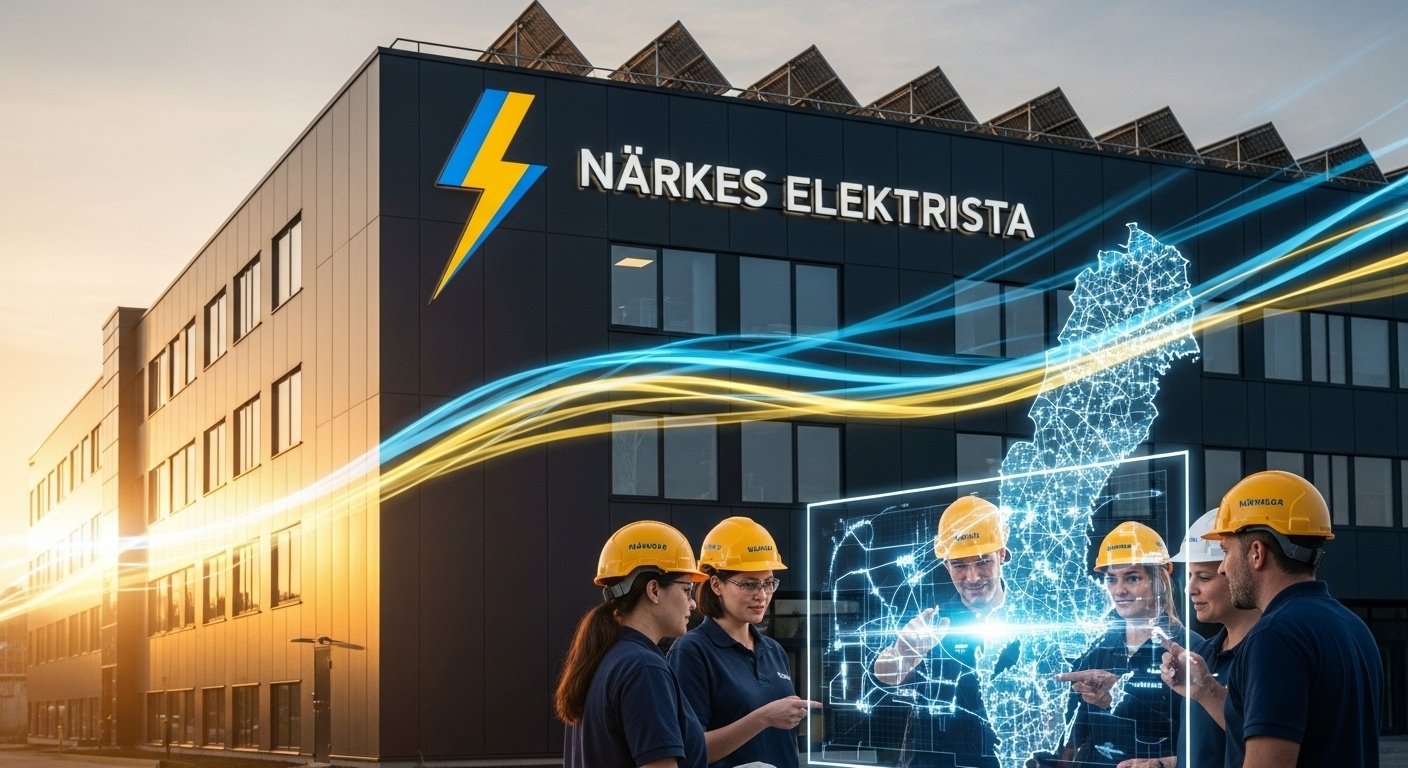
In today’s rapidly advancing technological era, electricity and electrical systems form the backbone of modern society. Among the prominent names contributing to this sector in Sweden is Närkes Elektriska. Known for its commitment to quality, innovation, and sustainability, Närkes Elektriska has established itself as a key player in both residential and industrial electrical solutions. This article explores the history, services, innovations, and impact of Närkes Elektriska, demonstrating why it is a trusted name in the Swedish electrical industry.
History and Background of Närkes Elektriska
Närkes Elektriska was founded with a vision to provide reliable electrical solutions that combine technical expertise with modern innovations. Over the years, the company has grown from a regional service provider into a recognized authority in electrical systems. With a focus on quality, safety, and customer satisfaction, Närkes Elektriska has successfully navigated the evolving demands of Sweden’s electrical infrastructure.
Read: vRealize Infrastructure Navigator
From its early beginnings offering basic electrical installations to now providing comprehensive solutions for industries, commercial projects, and residential needs, the company has consistently prioritized innovation and sustainability.
Core Services Offered by Närkes Elektriska
Närkes Elektriska offers a wide range of services, catering to diverse electrical needs. Their expertise spans both traditional and modern electrical systems.
Residential Electrical Services
In homes across Sweden, Närkes Elektriska ensures that electrical installations are safe, efficient, and future-ready. Services include:
- Full home wiring and electrical installations
- Smart home integration and automation
- Energy-efficient lighting solutions
- Electrical safety inspections and maintenance
These services help homeowners create a safe and technologically advanced living environment.
Commercial and Industrial Solutions
Businesses and industries require robust electrical systems to ensure smooth operations. Närkes Elektriska offers:
- Industrial electrical installations and maintenance
- Commercial lighting and power distribution systems
- Renewable energy integration, including solar panels
- Emergency backup systems and generators
By combining technical expertise with practical solutions, Närkes Elektriska supports the growth and efficiency of Swedish businesses.
Renewable Energy and Sustainability
As Sweden moves toward sustainable energy solutions, Närkes Elektriska has embraced renewable technologies. The company offers:
- Solar energy systems for homes and businesses
- Energy storage solutions and battery integration
- Electric vehicle (EV) charging station installation
- Sustainable energy consultancy
This commitment to sustainability reflects the company’s dedication to reducing environmental impact while providing modern energy solutions.
Innovations by Närkes Elektriska
Innovation is at the heart of Närkes Elektriska’s operations. The company continually invests in research, technology, and staff training to stay ahead in the dynamic electrical industry. Some notable innovations include:
- Smart energy management systems that optimize power usage
- Integration of IoT devices for intelligent electrical monitoring
- Advanced electrical safety solutions to prevent overloads and hazards
- Automated lighting systems for commercial and residential properties
Through these innovations, Närkes Elektriska enhances efficiency, safety, and reliability across all projects.
Safety Standards and Compliance
Electrical work requires strict adherence to safety regulations and compliance standards. Närkes Elektriska prioritizes the safety of both clients and technicians by ensuring:
- All work complies with Swedish electrical safety regulations
- Employees receive continuous training on safety and technical standards
- High-quality materials and components are used in every installation
- Regular inspections and preventive maintenance are conducted
By maintaining strict safety protocols, Närkes Elektriska builds trust and delivers dependable solutions.
Customer-Centric Approach
A key reason for the company’s success is its customer-focused philosophy. Närkes Elektriska emphasizes:
- Personalized consultation to understand client needs
- Transparent pricing and detailed project proposals
- Responsive after-sales support and maintenance services
- Flexibility to adapt solutions for residential, commercial, and industrial clients
This approach ensures that every client receives tailored solutions that align with their budget, timeline, and energy goals.
The Role of Närkes Elektriska in Sweden’s Electrical Industry
Sweden’s electrical sector is undergoing significant transformation, with a growing emphasis on renewable energy, smart infrastructure, and energy efficiency. Närkes Elektriska plays a critical role in this transformation by:
- Providing modern electrical solutions that support smart cities and sustainable living
- Partnering with technology providers to integrate the latest energy systems
- Educating clients about energy efficiency and sustainable practices
- Supporting industrial growth with advanced electrical infrastructure
Through these contributions, Närkes Elektriska strengthens Sweden’s position as a leader in sustainable and innovative energy solutions.
Future Prospects of Närkes Elektriska
The future of Närkes Elektriska looks promising as the demand for smart, sustainable, and reliable electrical solutions continues to rise. The company is expected to expand its services by:
- Increasing renewable energy installations, particularly solar and EV charging
- Incorporating more AI-driven solutions for energy management
- Expanding into new markets across Sweden and neighboring regions
- Continuing research into sustainable and efficient electrical technologies
With these initiatives, Närkes Elektriska aims to remain at the forefront of Sweden’s electrical innovation landscape.
Conclusion
Närkes Elektriska has built a reputation as a reliable, innovative, and customer-focused electrical services provider. From residential projects to large industrial installations, the company combines technical expertise with modern solutions to meet diverse electrical needs.
As Sweden continues its transition toward smart and sustainable energy systems, Närkes Elektriska is well-positioned to lead the industry with innovative technologies, sustainable practices, and unwavering commitment to safety and quality. For anyone seeking reliable electrical solutions, Närkes Elektriska represents trust, expertise, and forward-thinking innovation in Sweden’s evolving energy landscape.

Language evolves constantly, and new words appear in both everyday conversation and digital spaces. One term that has recently gained attention is servantful. While it may sound like a simple adjective derived from “servant,” its uses, interpretations, and contexts vary depending on social, cultural, and digital settings.
This article provides a comprehensive overview of servantful, exploring its definition, common applications, historical roots, and contemporary relevance. Readers will gain insights into how the term is used today and why understanding it can improve both communication and cultural awareness.
What Does Servantful Mean?
At its core, servantful is an adjective describing someone or something that embodies qualities of service, helpfulness, or attentiveness to others. It conveys a sense of willingness to assist, often with a positive or respectful connotation.
Key aspects of the meaning include:
- Helpfulness: Readiness to provide aid or support.
- Dutifulness: Performing tasks responsibly and reliably.
- Consideration: Awareness of others’ needs and acting accordingly.
While related words like “servantlike” or “submissive” exist, servantful generally emphasizes positive service rather than negative subordination.
Historical Background
The root of servantful comes from the Old French word servant, which itself originates from the Latin serviens, meaning “one who serves.” Historically, the term “servant” referred to individuals employed in households, often performing domestic duties.
Over time, the suffix -ful was added in English to describe someone possessing a quality in abundance—similar to words like “joyful” or “hopeful.” This transformation turned servantful into a descriptive term highlighting the virtue of being service-oriented.
Modern Usage of Servantful
In contemporary language, servantful appears in multiple contexts:
Workplace and Leadership
In professional environments, being its often associated with leadership styles like servant leadership, where leaders prioritize the growth, well-being, and development of team members. Such leaders are considered servantful because they actively serve their teams rather than merely give orders.
Personal Relationships
The term is also applied in personal contexts, referring to individuals who show consistent care and attentiveness toward friends, family, or partners. Being servantful in relationships often implies empathy, patience, and reliability.
Digital and Social Media
With the rise of online communities, the word has been used to describe helpful contributors who provide guidance, resources, or advice without expecting personal gain. On forums or platforms, a servantful user might offer tutorials, support, or mentorship to newcomers.
Characteristics of a Servantful Person
Several traits are commonly associated with someone described as servantful:
- Empathy: Understanding others’ perspectives and emotions.
- Reliability: Being dependable and consistent in actions.
- Humility: Offering assistance without seeking recognition.
- Proactiveness: Anticipating needs before being asked.
- Patience: Willingness to invest time and effort for others’ benefit.
Servantful in Leadership
The concept of servantful leadership has become increasingly prominent in management studies and organizational psychology.
Benefits of Servantful Leadership
- Higher Employee Satisfaction: Teams feel valued and supported.
- Improved Performance: Service-oriented leaders foster collaboration and trust.
- Long-Term Loyalty: Employees are more likely to stay in environments led by its managers.
Implementation
Leaders can cultivate servantfulness by:
- Actively listening to team members
- Providing mentorship and support
- Encouraging autonomy while offering guidance
- Recognizing and addressing personal and professional needs
Servantful vs. Other Similar Terms
It is important to distinguish servantful from related words:
- Servantlike: Implies resemblance to a servant, can be neutral or negative.
- Submissive: Focuses on obedience and yielding, often with passive connotations.
- Helpful: Broader term without the depth of moral or ethical service implied by servantful.
Servantful uniquely combines helpfulness with moral intentionality, emphasizing active and positive service.
Ethical Dimensions of Being Servantful
Being servantful is not merely about performing tasks; it involves ethical considerations:
- Respect: Serving others while maintaining mutual dignity.
- Integrity: Acting consistently with moral principles.
- Selflessness: Prioritizing others’ needs without exploiting the opportunity.
This ethical dimension aligns with philosophies like servant leadership, volunteerism, and community service.
Servantful in Education
Educators who are servantful often go beyond teaching basic curricula. They invest time in understanding students’ challenges, mentoring, and creating inclusive learning environments.
Benefits include:
- Increased student engagement
- Enhanced trust and rapport
- Promotion of collaborative learning
Servantful in Daily Life
Being servantful is not limited to workplaces or leadership roles. Everyday acts of service, like helping neighbors, assisting colleagues, or volunteering, reflect its behavior. Cultivating these qualities can improve social bonds, personal satisfaction, and overall community well-being.
Challenges of Being Servantful
While servantfulness is generally positive, it comes with challenges:
- Risk of Burnout: Constantly serving others without self-care can lead to stress.
- Potential Exploitation: Some may take advantage of a servantful person’s willingness.
- Balancing Needs: Maintaining personal boundaries while being helpful is essential.
Developing servantfulness requires self-awareness, emotional intelligence, and balance.
Servantful in Literature and Media
Though not a mainstream term in literature, servantful has appeared in philosophical writings, self-help books, and online communities emphasizing empathy, ethical service, and leadership. Its use often signals moral virtue and dedication to positive action.
Cultivating a Servantful Mindset
Anyone can develop servantful traits through intentional practice:
- Active Listening: Focus fully on others when they speak.
- Identify Needs: Observe and anticipate how you can help.
- Practice Humility: Serve without expecting recognition.
- Set Boundaries: Ensure personal well-being is maintained.
- Reflect: Regularly evaluate your actions and motivations.
Conclusion
Servantful is a versatile term that captures the essence of helpfulness, empathy, and positive service. Its relevance spans personal relationships, leadership, education, and online communities. While embodying its qualities can present challenges, it offers significant benefits to individuals and the communities they serve.
Understanding and applying servantful principles encourages ethical behavior, stronger social bonds, and effective leadership. Whether in professional settings or daily life, cultivating servantfulness contributes to a more cooperative, empathetic, and connected world.

In today’s fast-paced digital landscape, VMware administrators face the constant challenge of managing complex virtual environments. Enter vRealize Infrastructure Navigator—a powerful tool designed to simplify this task and enhance efficiency. Whether you’re looking to streamline operations or gain deeper insights into your infrastructure, this essential resource is tailored for you. Let’s dive into how vRealize Infrastructure Navigator can transform your approach to VMware administration and elevate your management skills in a competitive market.
You Might Also Like: Unsplash Guide
vRealize Infrastructure Navigator is a game-changer for VMware administrators, offering insights and tools to optimize virtual environments. This blog will explore its key features, installation tips, configuration best practices, and real-world applications. We’ll also discuss how mastering this tool can enhance your career opportunities in the ever-evolving tech landscape.
Introduction
As virtualization continues to revolutionize IT infrastructure, VMware administrators face growing challenges in managing complex environments. vRealize Infrastructure Navigator emerges as a vital tool designed specifically for these professionals. It simplifies monitoring and management, enabling admins to gain better insights into their virtual landscapes while improving efficiency and performance across the board.
Overview of vRealize Infrastructure Navigator
vRealize Infrastructure Navigator is a powerful tool designed for VMware environments. It provides administrators with real-time visibility into their virtual infrastructure, helping to map dependencies and relationships between various components. With intuitive dashboards and comprehensive insights, it simplifies the management of complex infrastructures, enabling efficient resource allocation and troubleshooting. This makes it an essential asset for any VMware administrator.
Importance of vRealize Infrastructure Navigator for VMware Administrators
vRealize Infrastructure Navigator is crucial for VMware administrators as it provides a comprehensive view of the virtual environment. This tool helps streamline management by offering insights into relationships between applications and their underlying infrastructure. By utilizing this powerful resource, administrators can enhance performance, improve troubleshooting efforts, and make informed decisions that optimize overall system efficiency.
Key Features
vRealize Infrastructure Navigator boasts several key features that enhance VMware management. It offers real-time visibility into applications and their dependencies, simplifying troubleshooting. The tool provides detailed insights into infrastructure performance, enabling proactive resource allocation. Additionally, it integrates seamlessly with other VMware products, creating a unified experience for administrators looking to optimize their environments effectively.
Exploration of the key features offered by vRealize Infrastructure Navigator
vRealize Infrastructure Navigator offers a suite of powerful features that streamline VMware management. It provides detailed visibility into application dependencies, enabling administrators to visualize their environments effectively. The intuitive interface allows for quick navigation through infrastructure components, while robust reporting capabilities enhance decision-making. Additionally, it supports real-time monitoring, ensuring optimal performance and resource utilization across the virtual landscape.
How these features contribute to efficient VMware administration
The features of vRealize Infrastructure Navigator streamline VMware administration by providing real-time visibility into the infrastructure. Administrators can quickly identify dependencies and performance issues, enhancing troubleshooting efficiency. Automated mapping helps in optimizing resource allocation, while detailed insights support informed decision-making. This holistic view simplifies management tasks and promotes a more agile IT environment.
Installation and Licensing
Installing vRealize Infrastructure Navigator is straightforward. Begin by downloading the software from VMware’s official site. Follow the prompts to set it up on your system, ensuring that prerequisites are met. For licensing, review VMware’s guidelines; a valid license key is essential for full functionality and compliance. Always consider best practices to avoid issues during installation and operation.
Step-by-step guide for installing vRealize Infrastructure Navigator
To install vRealize Infrastructure Navigator, start by downloading the software package from VMware’s official site. Next, deploy it through your existing vSphere environment. Follow the on-screen instructions to configure settings like network and storage options. Once completed, access the web interface and finalize any additional configuration steps to get started with managing your infrastructure efficiently.
Licensing requirements and best practices
Licensing for vRealize Infrastructure Navigator is essential to ensure compliance and maximize functionality. Users should choose the correct licensing tier based on their organizational needs. It’s best to regularly review license usage and keep an eye on VMware’s updates, as features may evolve or change, impacting your requirements over time. Staying informed helps maintain optimal performance.
Configuration
Configuring vRealize Infrastructure Navigator requires attention to detail. Start by aligning settings with your organization’s infrastructure needs. Ensure proper integration with other VMware tools like vRealize Operations Manager for seamless functionality. Regularly revisit configurations to adapt to changing workloads and environments, maximizing the tool’s capabilities while enhancing overall efficiency in management practices.
Tips and best practices for configuring vRealize Infrastructure Navigator to maximize its utility
To maximize the utility of vRealize Infrastructure Navigator, start by aligning its configuration with your organization’s specific needs. Regularly update the tool to leverage new features and enhancements. Utilize custom dashboards for tailored insights, and ensure proper tagging for easy resource identification. Conduct periodic reviews of configurations to adapt to changing infrastructure demands effectively.
Integration with other VMware tools like vRealize Operations Manager
Integrating vRealize Infrastructure Navigator with other VMware tools, such as vRealize Operations Manager, enhances visibility and control over your virtual environment. This synergy allows administrators to correlate performance data with infrastructure dependencies. It streamlines troubleshooting processes and offers deeper insights, ensuring that resources are utilized effectively and potential issues are identified before they impact operations.
Administration
Managing vRealize Infrastructure Navigator is crucial for optimal performance. Regular updates and maintenance ensure the tool runs smoothly. Keep an eye on usage metrics to identify any potential issues early on. Familiarizing yourself with troubleshooting techniques can save time and enhance efficiency, allowing administrators to focus on more strategic tasks within their VMware environment.
Managing and maintaining vRealize Infrastructure Navigator for ongoing efficiency
Regular updates and monitoring are key to managing vRealize Infrastructure Navigator effectively. Schedule routine checks to ensure the tool is running smoothly. Utilize built-in analytics for insights into performance trends. Engage with community forums or support channels for troubleshooting tips. Staying proactive enhances efficiency and helps prevent potential issues before they arise, ensuring seamless VMware administration.
Troubleshooting common issues and performance optimization
Common issues with vRealize Infrastructure Navigator often include performance lags or data inaccuracies. Regularly check system resources and ensure timely updates to avoid bottlenecks. Monitoring logs can reveal errors, while adjusting settings for resource allocation helps optimize performance. Utilizing built-in diagnostics tools also enhances troubleshooting efforts, providing a smoother experience for VMware administrators in managing their infrastructures.
Real-World Applications
vRealize Infrastructure Navigator is essential for troubleshooting complex issues in real-time. For instance, it helps administrators quickly identify resource bottlenecks or misconfigured settings. Additionally, during migrations, this tool allows seamless visibility into dependencies and relationships between applications and infrastructure components. Such clarity is crucial for minimizing downtime and ensuring smooth transitions in virtual environments.
Real-world scenarios where vRealize Infrastructure Navigator proves invaluable
VMware administrators often face challenges in managing complex infrastructures. vRealize Infrastructure Navigator shines in scenarios like optimizing resource allocation during peak loads or troubleshooting performance issues across virtual machines. It enables quick identification of dependencies, enhancing visibility and control, which is vital for smooth operations and effective incident resolution within dynamic data centers.
Challenges and solutions faced by VMware administrators in utilizing the tool
VMware administrators often face challenges like integration issues and steep learning curves with vRealize Infrastructure Navigator. Adapting to its interface can be daunting, leading to underutilization. To tackle this, hands-on training sessions and regular updates can enhance proficiency. Additionally, leveraging community forums for support helps solve specific problems faster while fostering better understanding of the tool’s capabilities.
Interview Preparation and Professional Conversations
Understanding vRealize Infrastructure Navigator can significantly enhance your marketability as a VMware administrator. Familiarity with the tool allows you to showcase problem-solving skills during interviews. Prepare by articulating how you’ve utilized it for efficient infrastructure management. Practice discussing its features confidently, demonstrating both technical knowledge and practical applications in real-world settings to impress potential employers.
How vRealize Infrastructure Navigator knowledge can enhance career opportunities
Proficiency in vRealize Infrastructure Navigator sets you apart in the competitive landscape of VMware administration. This expertise signals to employers your ability to manage complex infrastructures effectively. As businesses increasingly adopt virtualization, familiarity with this tool can lead to advanced roles, higher salaries, and exciting project opportunities within IT environments focused on optimization and efficiency.
Strategies for effectively communicating the value of vRealize Infrastructure Navigator in professional settings
To effectively communicate the value of vRealize Infrastructure Navigator, focus on sharing concrete examples. Highlight how it streamlines operations and enhances visibility in VMware environments. Use visuals like charts or dashboards during presentations to illustrate benefits. Tailor your message to your audience’s needs, addressing specific pain points and showing how the tool provides solutions uniquely suited for them.
Conclusion
vRealize Infrastructure Navigator stands out as a vital tool for VMware administrators. Its intuitive design and robust features simplify infrastructure management while enhancing visibility. Embracing this tool can lead to more efficient operations, making it an essential asset in today’s complex IT environments. Adopting vRealize Infrastructure Navigator is a strategic move towards improved system performance and administration efficiency.
Summary of the benefits and significance of vRealize Infrastructure Navigator for VMware administrators.
vRealize Infrastructure Navigator streamlines VMware management, offering real-time visibility and insights into infrastructure performance. Its intuitive features enable administrators to quickly identify issues, optimize resources, and enhance overall efficiency. With seamless integration into existing workflows, this tool empowers professionals to make informed decisions that drive operational excellence in virtual environments. It’s a game-changer for effective VMware administration.
Final thoughts on the tool and its impact on VMware infrastructure management.
vRealize Infrastructure Navigator stands out as a pivotal tool for VMware administrators. Its ability to provide deep insights into infrastructure components enhances operational efficiency and reduces downtime. The integration with other VMware solutions amplifies its utility, making it indispensable in modern IT environments. Embracing this tool can significantly streamline management tasks, allowing admins to focus on strategic initiatives rather than routine troubleshooting. Staying ahead of the curve with vRealize Infrastructure Navigator can transform how organizations manage their virtual infrastructures, paving the way for smoother operations and greater innovation.


- Blog9 months ago
El verdadero significado de Honrar a Dios según la Biblia
- Blog9 months ago
¡Entérate qué es un anatema según la Biblia!
- Blog9 months ago
Qué simboliza el color naranja en la Biblia?
- Blog9 months ago
Descubre el significado bíblico de la ignominia
- Blog9 months ago
Qué significa ver un colibrí: leyendas y simbolismos
- Blog9 months ago
Descubre que significa «sabiduría» según la Biblia y cómo aplicarla en tu vida

 Entertainment7 months ago
هنتاوي.com: Discover Trending Arabic Content Online
- Blog9 months ago
El término cielo en la biblia católica: su profundo significado