Blog
Descubre el significado de la palabra «collado» según la Biblia

La Biblia es un libro sagrado para la religión cristiana que contiene versículos que presentan enseñanzas e historias importantes para la humanidad. En la Biblia, podemos encontrar diferentes palabras y términos que pueden causar confusión o desconocimiento, como ocurre con la palabra «collado». ¿Qué significa exactamente esta palabra según la Biblia? A continuación, te lo explicaremos detalladamente.
La definición de la palabra «collado»
La palabra «collado» proviene de la palabra latina «collis», que significa «colina» o «altura». En la Biblia, esta palabra hace referencia a un terreno elevado o una montaña de menor altitud que las montañas principales. De hecho, se utiliza más de 70 veces en la Biblia, en diferentes contextos y con diferentes connotaciones.
La utilización de la palabra «collado» en la Biblia
En la Biblia, la palabra «collado» se utiliza en diferentes situaciones y para diferentes propósitos. Por ejemplo, se menciona en el Libro de los Reyes cuando el rey Acab subió al monte Carmelo para enfrentarse al profeta Elías, o cuando Moisés subió al monte Sinaí para recibir los Diez Mandamientos. También aparece en el Libro de los Salmos, donde se menciona el «valle oscuro» que en algunas traducciones se identifica como «valle de sombra y muerte» (23:4) y donde el salmista habla de la protección y divina misericordia de Dios.
La simbología de la palabra «collado» en la Biblia
Además de ser un término utilizado en la descripción de los terrenos, en la Biblia, la palabra «collado» también tiene una simbología y connotación especial. En muchas ocasiones, la subida a un collado o monte se asocia a un momento de encuentro con Dios, a una búsqueda espiritual, a la oración y la meditación. Asimismo, la imagen de un collado también puede simbolizar la fuerza y protección divina, así como la elevación espiritual hacia el Cielo.
La relación entre los collados y los altares en la Biblia
Uno de los ejemplos más significativos de la utilización de la palabra «collado» en la Biblia es en la construcción de altares sagrados destinados a la adoración de Dios. En el Antiguo Testamento, se menciona que estos altares se construían habitualmente en los collados como una forma de aproximar al Cielo la acción sagrada de los sacrificios y adoraciones. Estos altares eran lugares de culto grato a Dios, en los que los creyentes encontraban la paz y el perdón de Dios, y desde los cuales se elevaban fervorosas plegarias en busca de mercedes.
La importancia del contexto histórico y cultural para entender la palabra «collado» en la Biblia
Es importante tener en cuenta que la palabra «collado» en la Biblia no puede ser entendida fuera de su contexto histórico y cultural. En la época en la que fueron redactados los textos bíblicos, era común y frecuente utilizar los collados y montañas como lugares de encuentro con Dios. La simbología religiosa se construía con estos elementos naturales que enriquecían el sentido teológico de los lugares sagrados. En definitiva, la palabra «collado» representa una de las múltiples formas en las que la religión cristiana utiliza la naturaleza para expresar la revelación divina.
En síntesis, la palabra «collado» en la Biblia hace referencia a los terrenos elevados o montañas de menor altitud, que se utilizaban como lugares de encuentro con Dios y construcción de altares sagrados. La simbología de un collado es de elevación espiritual, cobijo divino y protección. Es importante entender que la utilización de esta palabra en la Biblia está enmarcada en el contexto histórico y cultural en el que se desarrolla. En definitiva, la palabra «collado» representa una de las múltiples formas utilizadas por la religión cristiana para manifestar la revelación divina.
¿Qué es el collado según la Biblia?
La Biblia es un libro sagrado que contiene información y enseñanzas valiosas para los creyentes. En ella se habla de diversos conceptos y lugares, incluyendo los collados.
Definición de collado
El collado es un término que se utiliza en la Biblia para referirse a una elevación de terreno. Según la definición bíblica, el collado es una tierra que se levanta como un cerro, pero que es menos elevada que un monte.
Los collados en la Biblia
Los collados aparecen mencionados en varios pasajes de la Biblia. Por ejemplo, en el libro de Deuteronomio se dice:
«El Señor tu Dios te llevará a la tierra que ibas a poseer, una tierra de montañas y collados, tierra que bebe agua de la lluvia del cielo»
En este pasaje se hace referencia a los collados como parte de la descripción de la tierra que Dios iba a dar a su pueblo. Los collados son mencionados junto a las montañas como una característica importante de la tierra.
El significado de los collados en la Biblia
Los collados en la Biblia no solo son una descripción de la geografía de la tierra, sino que también tienen un significado simbólico y espiritual.
En varios pasajes de la Biblia, los collados se asocian con la adoración a otros dioses y la idolatría. Por ejemplo, en el libro de Jeremías se dice:
«Sobre los collados elevados del camino hiciste tus camas, allí subiste para ofrecer sacrificios»
En este pasaje, los collados se mencionan como un lugar donde se hacían sacrificios a otros dioses, algo que estaba prohibido por la ley de Dios. De esta manera, los collados se asociaron con la idolatría y la desobediencia.
El llamado a dejar los collados
En varios pasajes de la Biblia, Dios llama a su pueblo a dejar los collados y a volver a él. Por ejemplo, en el libro de Jeremías se dice:
«Vuelve, hija infiel, vuelven tus ojos a aquellos que te salvaron en días antiguos… Pero hacia mí no has vuelto», dice el Señor. «Un collado alto es el lugar donde levantas tus altares para ofrecer sacrificios»
En este pasaje, se llama a la gente a volver a Dios y a dejar de adorar a otros dioses en los collados. Dios anhela la relación con su pueblo y quiere que obedezcan y lo adoren solo a él.
De manera que, el collado según la Biblia es una elevación de terreno que se encuentra entre una colina y un monte. Además de ser un término geográfico, el collado también tiene un significado simbólico y espiritual en la Biblia, y se asocia con la idolatría y la desobediencia a Dios. Dios llama a su pueblo a dejar los collados y a volver a él, para tener una relación profunda y significativa con él.
¿Qué quiere decir la palabra collado?
Bienvenidos a una nueva entrega de su blog de noticias y curiosidades, donde vamos a hablar del significado de la palabra collado. Como bien sabemos, el castellano es un idioma rico en vocabulario, y la palabra collado es una de las muchas palabras que nos permiten describir el mundo que nos rodea con gran precisión.
En concreto, un collado es un punto bajo que sirve de paso o cruce entre dos montañas, cerros o colinas. Esta definición, aunque sencilla, es bastante precisa y permite una comprensión clara y rigurosa del concepto.
En este artículo vamos a profundizar un poco más acerca del significado de la palabra collado y su origen, para entender mejor cómo se ha llegado a utilizar en el castellano de hoy en día.
El origen del término «collado»
El origen etimológico de la palabra collado se remonta a la época del latín vulgar. La palabra procede del término latino cum-latus, que a su vez viene de la suma de dos palabras en latín: com, que significa «junto a», y latus, que significa «lado». Por tanto, la palabra collado se entendería como el espacio entre dos lados o montañas.
A lo largo de la historia, el uso de esta palabra se ha popularizado especialmente en las zonas montañosas de la península ibérica. En estas zonas, los collados permitían el paso entre los distintos valles y comunidades, y por tanto eran puntos clave para el desarrollo social y económico de algunas regiones.
Tipos de collados
Existen distintos tipos de collados, según su forma, su posición geográfica o su función:
- Collado de montaña: es el más común y se encuentra entre dos picos de montaña.
- Collado de llano: se encuentra entre dos mesetas o llanos.
- Collado de río: se encuentra en el curso de un río, y su función puede ser la de permitir el paso a una orilla del río a otra, o evitar el paso por ciertas corrientes o rápidos del río.
- Collado de abra: se encuentra en las cumbres de las montañas más altas, y su función es permitir el paso en zonas de difícil acceso.
Cada tipo de collado tiene características especiales que los hacen útiles para distintos fines y actividades. El conocimiento de estos tipos de collados es esencial para los amantes de la montaña, los aventureros y todos aquellos que disfrutan del aire libre.
Otras curiosidades sobre los collados
Además de su utilidad evidente para el paso entre montañas o para sortear las dificultades del terreno, los collados tienen otra faceta que los hace interesantes: su papel en el folklore y en la literatura popular.
En muchas regiones de España se han creado leyendas y cuentos sobre collados, que hablan de sucesos extraordinarios o de entidades mágicas que habitan en ellos. Estos cuentos y mitos populares muestran el papel que los collados han tenido en las sociedades rurales, como fuente de miedo o admiración.
Además, en la literatura el término collado ha sido utilizado para expresar ideas relacionadas con la superación, la búsqueda de nuevos horizontes o la trascendencia de las dificultades. En muchas obras literarias, los collados se presentan como símbolos del esfuerzo humano por superar los obstáculos y alcanzar la meta.
En definitiva, la palabra collado es una muestra más de la riqueza y la precisión del castellano como idioma. Desde su origen latino hasta su utilización en la actualidad, los collados han sido un elemento clave en el desarrollo social y cultural de muchas regiones de España y de otros países montañosos.
En este artículo hemos visto el significado de esta palabra y cómo se utiliza en la actualidad, así como algunas curiosidades sobre los distintos tipos de collados y su papel en la literatura popular. Esperamos que este artículo les haya resultado interesante y útil. ¡Hasta la próxima!
Lo que dicen nuestros usuarios
Como mexicano y alguien que ha leído la Biblia, puedo decir que la palabra «collado» se utiliza a menudo para representar un lugar elevado en la tierra. En la Biblia, a menudo se asocia con los lugares donde las personas adoraban a Dios. También se usa como un lugar donde se pueden tener encuentros importantes, como la transfiguración de Jesús en el monte Tabor. Es interesante cómo las palabras pueden ser utilizadas de diferentes maneras dependiendo del contexto, y esto es especialmente verdad en la Biblia.
¿Qué son montes y collados?
Los montes y collados han inspirado la literatura y el arte desde tiempos inmemoriales. Citando un título memorable de nuestra literatura en castellano, “La lluvia baña el techo, envían largos ríos los collados”, podemos ver una muestra fehaciente de la poética que se desata cuando se alude a la figura de la montaña.
Desde la antigüedad, encontramos referencias a estos accidentes geográficos en los textos religiosos, como en la Biblia, en la bendición de José, en la que se habla de los “collados eternos”. Pero también la literatura profana ha cantado sus bondades, como podemos observar en la ciudad de Granada, situada en los collados, o en un poema que hace referencia a la alegría de los collados y el resplandor del día.
Los montes y collados acogen un número considerable de especies vegetales y animales, y han sido protagonistas de la vida y el devenir humano desde épocas remotas. De hecho, hay textos que hablan de multitudes que viajan llorando y abriéndose paso con espadas a través de Alemania hasta llegar a los bosques y collados, así como también de plagas que afectaron a los animales que allí habitan.
En la obra de Galdós, titulada «Tristana», podemos leer páginas y páginas acerca de la belleza del monte de los Frailes, en las cercanías de Toledo. Según las descripciones del autor, allí crecen árboles que ofrecen refugio a animales de distintas especies, desde aves hasta ardillas. También se pueden encontrar plantas medicinales, y hasta algunos “tremendos terrenos ascéticos”, como dice Galdós, que sirven de contemplación y meditación.
Desde el punto de vista del cine, el monte ha sido un escenario recurrente de muchas películas. Podemos recordar algunos títulos como “Las Hurdes” -documental sobre la vida en una región montañosa de España-, “El espíritu de la colmena” -película que se desarrolla en un entorno rural-, “El sur” -un viaje emocional que trascurre en un pueblo cercano a los Pirineos-, y otros muchos más.
Desde el aspecto geográfico, los montes y collados se diferencian por su altitud y su morfología. A grandes rasgos, podemos decir que los collados son montañas de pequeña altura y poca escarpadura, lo que facilita el tránsito de personas y animales, tanto salvajes como domesticados. En cambio, los montes suelen ser de mayor altura y más agrestes, lo que dificulta su recorrido.
Como parte de nuestra cultura y nuestra identidad, los montes y collados son lugares que merecen ser cuidados y preservados. La naturaleza que allí habita es, en muchos casos, única y exclusiva, lo que nos recuerda que nuestra tarea como seres humanos es protegerla y conservarla para las generaciones futuras. En este sentido, podemos decir que esta conjunción de arte, literatura, cine, fauna y geografía configura un ecosistema de valores y conocimientos únicos, que convierten a los montes y collados en uno de los paisajes más bellos y multifacéticos que podemos encontrar en nuestro país.
Además, los montes y collados son también espacios de cierta mística y espiritualidad. En textos religiosos, muchas veces se describe a Dios o a ciertos personajes, como Moisés o Elías, hablando con ellos desde la cima del monte. Es decir, hay una relación especial entre lo divino y la montaña, y esto ha sido transmitido a distintas culturas y épocas.
Podemos también hacer alusión a la enraizada tradición de <caminas y romerías>: procesiones religiosas en las que grupos de personas caminan hasta lugares santos y que a menudo transcurren a través de paisajes montañosos. Este tipo de prácticas nos recuerdan la sacralidad de la naturaleza y su importancia en la vida espiritual de muchas personas.
Finalmente, podemos concluir diciendo que los montes y collados son una parte fundamental de nuestra cultura y de nuestra geografía. Su belleza e importancia ecológica y emocional los hacen dignos de ser valorados y cuidados. Es nuestro deber protegerlos y conservarlos para las generaciones venideras, y cultivar la conciencia acerca de su importancia y su papel en la construcción de nuestra identidad.
¿Qué es la cumbre del collado?
La cumbre del collado es un lugar de encuentro con Dios, un lugar de descanso para nuestra alma y avivamiento espiritual. Según la Biblia, es el lugar donde Moisés subió para interceder por el pueblo de Israel en la batalla contra los hombres impíos de Amalec, según Exodo 17:8-16.
Dios permitió que Israel tomara parte en su propia salvación y Josué fue el general en la primera batalla contra los hombres impíos. Moisés subió al collado y desempeñó su función espiritual con la vara de Dios en su mano y las manos levantadas en intercesión. En muchas ocasiones, los siervos de Dios necesitan el apoyo de otros para no desfallecer, a través de la oración o una palabra de aliento. Las oraciones de Moisés, combinadas con el esfuerzo de los israelitas, hicieron eficaces las armas para vencer.
Cada uno de nosotros enfrentará periódicamente batallas espirituales. Por esta razón, es importante subir a la cumbre del collado para tener un encuentro personal con Dios, recibir descanso para nuestro espíritu y renovación en Su presencia. Cristo es para nosotros ambas cosas. Es nuestro Josué, el capitán de nuestra salvación que lucha nuestras batallas y es nuestro Moisés, que en lo más alto vive siempre para interceder por nosotros.
La cumbre del collado es el lugar donde podemos encontrar la presencia de Dios de una manera tangible. Es un lugar donde Dios nos quebranta, confronta, palpamos su gloria, entramos en acuerdo con Él y es donde, a través de la oración, Dios deposita su unción. Cuando subimos al monte, aprendemos a vivir rodeados de su presencia. Es por eso que si dejamos de subir al monte a través de la oración, intercesión, búsqueda, hay escasez de revelación, visión y palabra de Dios para nuestras vidas.
El mundo ha experimentado una decadencia moral más rápida en los últimos 50 años que en cualquier otro momento de la historia humana, legalizando lo inmoral y aprobando leyes que no están de acuerdo con la palabra de Dios.La sociedad actual ha perdido el sentido de lo que es correcto y lo que no lo es. Sin embargo, los que suben a la cumbre del collado son nutridos por la presencia de Dios y no se dejan influir por la corriente de pensamiento del mundo.
La cumbre del collado es también el lugar de la intercesión, donde los intercesores tienen acceso a Dios y su favor, y donde el clamor de los justos es escuchado por Él. El intercesor es quien levanta las manos y los ojos al cielo y espera con paciencia la respuesta de Dios.
La cumbre del collado es un lugar de renacimiento espiritual, donde puedes encontrar el verdadero propósito de tu vida. Es el lugar en el que puedes recibir de Dios la guía, la dirección y la fuerza que necesitas para enfrentar tus desafíos cotidianos. Es el lugar donde Dios te mostrará el camino a seguir en la vida y te dará la visión que necesitas para tomar las decisiones correctas.
En la cumbre del collado encontramos la paz, el amor y la misericordia de Dios en abundancia. Es un lugar donde Dios puede hablar a nuestro corazón y mostrarnos su voluntad. También es el lugar donde podemos buscar perdón por nuestros pecados y experimentar la sanidad y la liberación en nuestras vidas.
La cumbre del collado te lleva a conocer y experimentar la presencia de Dios de una manera más profunda. Es un lugar donde se oyen las respuestas a nuestras oraciones y las promesas de Dios para nuestras vidas se vuelven realidad.
Subir a la cumbre del collado requiere esfuerzo, perseverancia y dedicación. Pero es en este lugar donde podemos recibir la unción de Dios para guiar nuestras vidas. Es un lugar de transformación, donde el Espíritu de Dios obra en nuestro corazón para formarnos a la imagen de Cristo.
La cumbre del collado es el lugar donde podemos encontrar la paz en medio de las tormentas de la vida. Es un lugar donde podemos contemplar la grandeza de Dios y esperar en Él pacientemente.
Dios nos invita a subir a la cumbre del collado y tener un encuentro con Él. Es un lugar de intimidad y conexión con Dios, donde podemos acercarnos a Él y experimentar su amor de una manera profunda. Es un lugar donde podemos encontrar las respuestas a nuestras preguntas y recibir la provisión que necesitamos para nuestra vida.
Dicho esto, la cumbre del collado es el lugar donde podemos encontrarnos con Dios, recibir su paz, amor y misericordia, y ser renovados espiritualmente. Subir a la cumbre del collado requiere esfuerzo y dedicación, pero es el lugar donde podemos recibir la unción de Dios para guiar nuestras vidas. Oremos para que Dios nos guíe y nos lleve a este lugar de encuentro con Él y transformación espiritual.

Imagine a world where ceramic materials are no longer just functional but also transformative. Meet Sodiceram, the innovative game-changer in the realm of ceramics. This advanced material blends durability with aesthetics, paving the way for remarkable applications across various industries. Whether you’re an architect seeking inspiration or a designer looking to elevate your projects, Sodiceram promises to redefine what’s possible. Its unique properties not only enhance performance but also open up new avenues for creativity and innovation. Let’s dive into what makes Sodiceram stand out in today’s market and explore how it is shaping the future of construction and design.
Key Features of Sodiceram
Sodiceram stands out due to its unique composition. This innovative ceramic material is designed for durability and versatility. It’s engineered to withstand extreme temperatures, making it ideal for a variety of environments.
Another key feature is its lightweight nature. Unlike traditional ceramics, Sodiceram offers ease in handling and installation. This not only speeds up construction time but also reduces labor costs.
Its aesthetic appeal cannot be overlooked either. Sodiceram comes in various colors and finishes, allowing designers to unleash their creativity without compromising functionality.
You Might Also Like: HMS Photovoltaik
Additionally, the material boasts excellent moisture resistance. This property makes it suitable for both indoor and outdoor applications, ensuring longevity even in challenging conditions.
Sodiceram is eco-friendly. Made from sustainable resources, it aligns with modern environmental standards while maintaining superior performance characteristics.
Applications of Sodiceram
Sodiceram is making waves in various industries due to its versatility. From architecture to interior design, this innovative material adapts seamlessly to different environments.
In commercial spaces, Sodiceram surfaces offer a blend of aesthetics and functionality. Retail stores leverage its durability while enhancing visual appeal.
Residential applications are equally impressive. Homeowners appreciate the stylish options for countertops, flooring, and even wall cladding. Its resistance to stains and scratches makes it ideal for high-traffic areas.
The healthcare sector also benefits from Sodiceram’s hygienic properties. Hospitals utilize it in patient rooms and surgical theaters where cleanliness is paramount.
Even outdoors, Sodiceram shines as an excellent choice for landscaping features or patio designs. Its ability to withstand varying weather conditions ensures long-lasting beauty and performance across all settings.
Advantages of Using Sodiceram
Sodiceram brings a host of advantages to the table, making it an appealing choice for various projects. Its lightweight nature simplifies installation, reducing both labor costs and time on-site.
Durability is another standout feature. Unlike traditional ceramics, Sodiceram is resistant to cracking and chipping. This longevity ensures that surfaces look great even under heavy use.
Additionally, it’s eco-friendly. Made from sustainable materials, it contributes positively to green building practices. Architects appreciate this aspect when aiming for LEED certification or similar standards.
Another key benefit lies in its versatility. Available in numerous colors and textures, Sodiceram can easily adapt to any design aesthetic without compromising performance.
Maintenance is minimal compared to conventional options; it requires less frequent cleaning while resisting stains effectively. These qualities make Sodiceram a smart investment for architects and builders alike.
Sodiceram vs Traditional Ceramic Materials
Sodiceram stands out when compared to traditional ceramic materials. Its unique composition provides enhanced durability and flexibility, which are often lacking in conventional ceramics.
While traditional ceramics can be brittle, Sodiceram boasts increased resistance to cracking and chipping. This makes it a more reliable choice for both structural applications and intricate designs.
Another major difference lies in the versatility of Sodiceram. It can be molded into complex shapes with ease, opening up creative possibilities that standard ceramics simply cannot match.
Additionally, the lightweight nature of Sodiceram contributes significantly to its appeal. Traditional ceramic materials tend to add substantial weight to structures, whereas Sodiceram allows architects and designers to achieve stunning aesthetics without compromising structural integrity.
The sustainability factor also plays a role; many traditional ceramics have high environmental costs associated with their production, while innovations like Sodiceram focus on eco-friendly processes.
Why Architects and Designers Choose Sodiceram
Architects and designers are increasingly turning to Sodiceram for its versatility. This innovative material allows for a range of creative possibilities, making it easier to bring unique visions to life.
The aesthetic appeal of Sodiceram is another significant factor. With various textures and colors available, it can seamlessly blend into any design style, from modern minimalism to classic elegance.
Durability also plays a crucial role in their decision-making process. Unlike traditional materials, Sodiceram withstands environmental stressors without compromising its appearance or functionality.
Moreover, the lightweight nature of Sodiceram simplifies the installation process. Designers appreciate how this reduces labor costs while allowing for more intricate designs that might be impractical with heavier materials.
Sustainability is becoming increasingly important in architecture. The eco-friendly attributes of Sodiceram resonate well with professionals who prioritize responsible sourcing and manufacturing practices in their projects.
The Future of Sodiceram in Construction and Design
As the demand for sustainable building materials grows, Sodiceram is poised to lead the charge in construction and design. Its innovative properties open doors to new possibilities that were previously unimaginable.
Imagine structures that not only withstand time but also minimize environmental impact. With its durability and low maintenance requirements, Sodiceram fits perfectly into eco-friendly initiatives.
Architects are exploring unique textures and colors, allowing for a diverse range of aesthetics. This adaptability makes it an appealing choice for modern projects.
Furthermore, as technology advances, we can expect even more enhancements in Sodiceram’s formulations. Such developments could revolutionize how materials are used in everyday applications.
The shift toward integrating smart elements within ceramics could also redefine functionality, blending art with purpose seamlessly. The future looks bright for this remarkable material as it takes center stage in contemporary architecture and design endeavors.
Conclusion
Sodiceram is rapidly transforming the landscape of construction and design. Its innovative properties offer endless possibilities for architects and designers who seek materials that not only look stunning but also perform exceptionally well. As sustainability becomes a priority, Sodiceram stands out as an eco-friendly choice that does not compromise on quality or aesthetics.
The advantages it brings, from enhanced durability to versatile applications, make it clear why this material is gaining traction in various industries. Traditional ceramics may have their place, but Sodiceram’s unique features are paving the way for modern solutions that resonate with current trends.
As we move forward into a world where design meets functionality seamlessly, embracing materials like Sodiceram will undoubtedly shape the future of architecture and interior spaces. The demand for innovation continues to rise; therefore, keeping an eye on developments in this sector could be crucial for anyone involved in building or designing environments meant to inspire and endure.

In today’s fast-paced digital world, businesses, creators, and innovators are constantly searching for ways to stand out, engage audiences, and adapt to ever-evolving technologies. With millions of platforms, products, and ideas competing for attention, capturing a user’s interest is only the first step. The real challenge lies in transforming attention into meaningful engagement, loyalty, and measurable success. This is where hormita emerges as a powerful concept in the modern digital landscape.
Although still relatively new, hormita has begun to gain recognition as a term symbolizing creativity, innovation, and adaptive strategies. It can represent a digital methodology, a brand identity, a creative framework, or a technological approach that emphasizes transformation, efficiency, and problem-solving. Its versatility and originality make it highly valuable for entrepreneurs, digital strategists, and creative professionals looking to differentiate themselves in competitive markets.
Read: BlogFontlu
This article delves deeply into hormita—exploring its potential meaning, principles, applications, benefits, and its growing relevance in shaping modern business and digital practices.
Understanding Hormita
At its core, hormita represents a mindset focused on achieving tangible results through innovation, user-centered design, and technology-driven strategies. Unlike traditional frameworks that prioritize outputs over experience, hormita emphasizes a holistic approach where technology, creativity, and strategy are seamlessly integrated.
Key characteristics of hormita include:
- Innovation-Centric Thinking: Encouraging creative solutions and experimentation in business and technology.
- Adaptability: Remaining flexible in fast-changing environments.
- User-Focused Design: Prioritizing meaningful experiences for audiences or customers.
- Technology Integration: Leveraging tools like AI, automation, and analytics to streamline operations and decision-making.
By combining these elements, hormita serves as a modern framework that allows organizations and creators to solve complex challenges while remaining agile, innovative, and results-oriented.
The Evolution of Digital and Business Strategies
To understand the relevance of hormita, it is essential to examine how business and digital strategies have evolved over time.
Early Business Approaches
Traditionally, businesses relied on methods such as:
- Direct sales and personal interactions
- Printed marketing materials
- Manual operational processes
While effective for their time, these methods lacked scalability and were limited in adaptability in a rapidly digitizing world.
The Digital Emergence
With the rise of the internet and digital platforms, businesses had to rethink strategies:
- Websites and e-commerce platforms became critical
- Email marketing, social media, and digital ads started replacing traditional campaigns
- Analytics and data metrics became essential for informed decision-making
This shift created the foundation for modern frameworks like hormita, which go beyond basic digital adoption and integrate technology, creativity, and optimized processes.
Data-Driven Optimization
Modern organizations rely heavily on data-driven strategies to improve efficiency and customer experience. By analyzing user behavior, market trends, and performance metrics, businesses can make smarter decisions. Hormita builds on this principle by embedding data insights into every aspect of operations and digital engagement.
Core Principles of Hormita
Several principles define the hormita approach:
1. Innovation and Creativity
At the heart of hormita is innovation. Organizations are encouraged to think beyond conventional solutions and experiment with new approaches. Examples include:
- Developing advanced digital tools
- Designing intuitive, user-friendly interfaces
- Creating experimental marketing and engagement campaigns
2. Adaptability and Agility
The modern marketplace is dynamic. Hormita emphasizes flexibility in:
- Project management
- Strategic planning
- Responding to evolving customer needs
3. Technology Integration
Technology plays a central role in hormita. Key areas include:
- Artificial Intelligence: Predictive analytics and automation for smarter workflows
- Data Analytics: Informing decisions and optimizing strategies
- Process Automation: Reducing manual tasks and enhancing operational efficiency
4. User-Centered Approach
A successful hormita strategy prioritizes the user experience. By understanding audience preferences and behaviors, businesses can create engaging and intuitive interactions that drive loyalty and conversions.
Applications of Hormita
The versatility of hormita allows it to be applied across multiple sectors:
Technology and Startups
Tech companies can leverage hormita to:
- Develop innovative software or platforms
- Integrate AI and machine learning solutions
- Facilitate collaborative workflows for remote teams
Marketing and Branding
Digital marketing strategies benefit from hormita by:
- Optimizing website and app user experiences
- Implementing data-driven and personalized campaigns
- Improving engagement through targeted content and interactive experiences
Education and Knowledge Platforms
Educational platforms can use hormita to:
- Offer adaptive learning and interactive courses
- Enable collaborative learning communities
- Personalize experiences to improve knowledge retention
Creative Industries
Artists, designers, and creators can apply hormita to:
- Launch experimental visual campaigns
- Incorporate immersive technologies like AR/VR
- Build innovative digital identities and brands
Benefits of Adopting Hormita
Organizations and creators that embrace hormita can achieve significant advantages:
- Improved Efficiency: Streamlined workflows and decision-making
- Higher Engagement: User-focused experiences drive loyalty
- Increased Innovation: Encourages creative experimentation
- Scalability: Adapts strategies for evolving markets and platforms
- Stronger Brand Identity: Establishes a memorable presence in competitive environments
Tools Supporting Hormita Strategies
Implementing hormita effectively requires modern digital tools:
- Analytics Platforms: Track performance and user behavior
- Marketing Automation: Streamline campaigns and audience engagement
- Collaboration Software: Efficiently manage projects and remote teams
- AI Insights: Provide predictive decision-making and personalization
Challenges in Implementing Hormita
While beneficial, adopting hormita can present challenges:
- Complexity: Balancing creativity, technology, and strategy can be challenging
- Continuous Adaptation: Businesses must continuously evolve strategies
- Data Privacy: Ensuring responsible technology use while respecting regulations
- Resource Allocation: Investing in tools, infrastructure, and training is essential
Future Trends in Hormita
As technology evolves, hormita will continue to grow:
- AI-Driven Personalization: Tailored experiences for customers
- AR/VR Integration: Immersive digital interactions
- Blockchain Applications: Secure and transparent operations
- Global Collaboration: Platforms connecting innovators worldwide
Why Hormita Matters
In today’s fast-changing digital economy, success requires more than technology adoption—it demands a holistic framework that integrates innovation, creativity, adaptability, and efficiency. Hormita empowers organizations to:
- Innovate effectively
- Optimize user experiences
- Strengthen brand value
- Adapt rapidly to emerging opportunities
Ultimately, hormita is more than a strategy—it is a philosophy for thriving in dynamic digital landscapes.
Conclusion
The concept of hormita represents a modern, versatile framework for digital transformation, creativity, and innovation. Its principles can be applied across industries—technology, marketing, education, and creative sectors—to build adaptive, impactful, and engaging strategies.
In an environment where originality and efficiency are critical, hormita provides the flexibility and innovation needed to succeed. With the right mindset, strategy, and tools, what starts as a simple concept can evolve into a powerful force shaping the future of business and digital engagement.
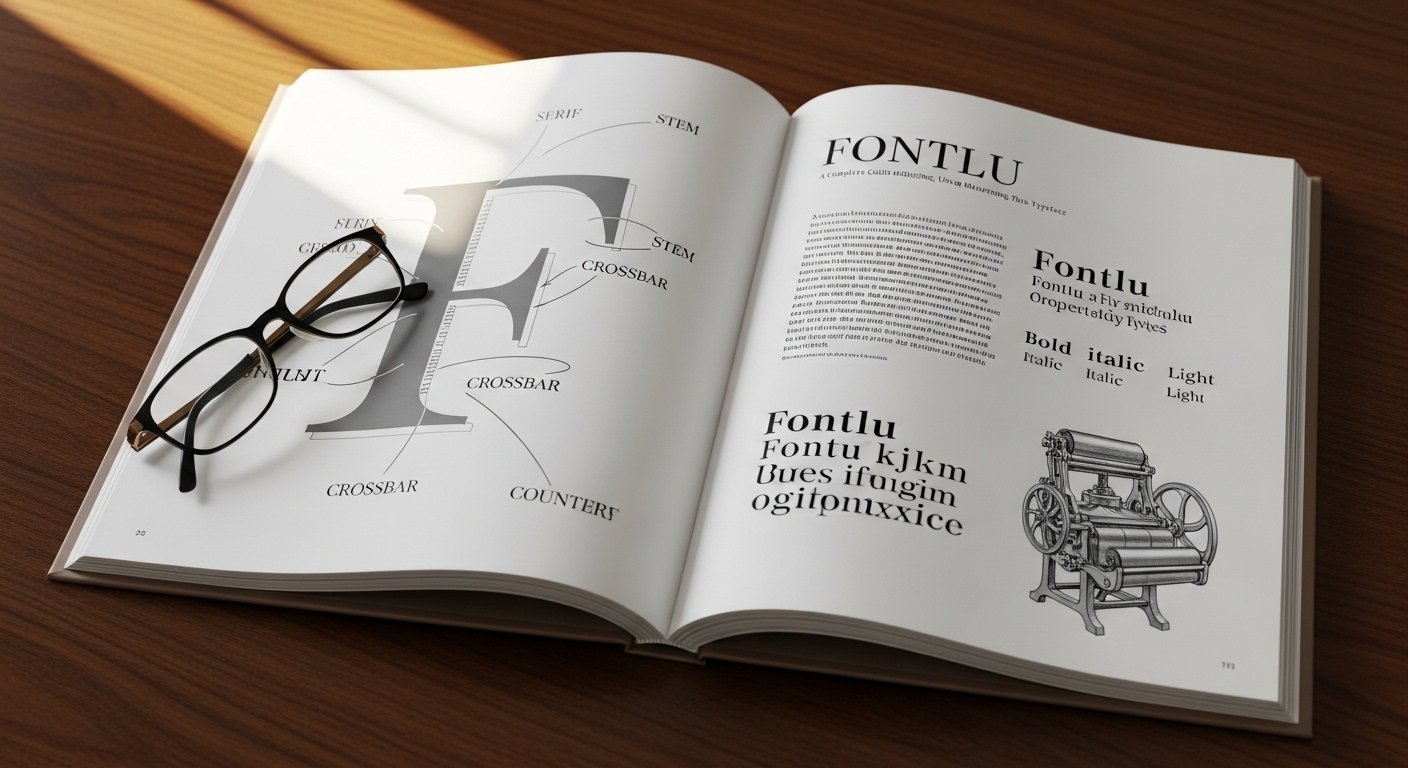
In the world of digital design, typography is one of the most critical elements that determine the overall look, feel, and effectiveness of any visual content. Among the wide array of fonts available, Fontlu has emerged as a popular choice for designers, content creators, and branding experts due to its versatility, aesthetic appeal, and readability. Whether you are creating a website, designing a logo, or developing marketing materials, Fontlu offers unique characteristics that make it stand out from the crowd.
This comprehensive guide explores everything you need to know about Fontlu—from its history and design features to practical uses, pairing tips, and modern applications. By the end of this article, you will have a complete understanding of Fontlu and how to incorporate it effectively into your projects.
What is Fontlu?
Fontlu is a typeface known for its clean lines, modern structure, and versatile design. It is widely appreciated for balancing readability with a contemporary aesthetic, making it suitable for both digital and print media. Fontlu is often used in branding, advertising, editorial design, and web development, thanks to its professional yet approachable look.
Read: Unsplash Guide
Key Features of Fontlu
- Versatility: Works well for headings, body text, and creative projects
- Readability: Clear letterforms enhance legibility even at smaller sizes
- Aesthetic Appeal: Modern and stylish design that complements various visual themes
- Compatibility: Works seamlessly across different platforms, from web to print
These features make Fontlu a go-to choice for designers looking for a typeface that is both functional and visually striking.
History of Fontlu
Fontlu was developed in the early 2010s by a group of typographers seeking to create a modern, clean font that could cater to both professional and creative applications. Inspired by contemporary sans-serif fonts, Fontlu was designed with a focus on readability, minimalism, and versatility.
Over the years, Fontlu has gained popularity in the design community due to its adaptability and ease of use. Designers, marketers, and publishers have embraced it for projects ranging from corporate branding to personal blogs, demonstrating the font’s universal appeal.
Design Characteristics
Fontlu exhibits several design characteristics that make it unique:
- Letterforms
Fontlu features geometric and balanced letterforms, giving it a modern, clean look. Rounded corners combined with straight lines provide a sense of approachability while maintaining professionalism. - Weight Variations
Fontlu comes in multiple weights, such as light, regular, medium, and bold. This range allows designers to create hierarchy and emphasis within their content easily. - Spacing and Kerning
Proper spacing and kerning make Fontlu highly readable. The spacing between letters ensures that text appears clean and uncluttered, even in dense paragraphs. - Versatile Characters
Fontlu includes numerals, punctuation marks, and special characters, making it suitable for both text-heavy content and creative design projects.
Uses of Fontlu
Fontlu’s versatility allows it to be used across a wide range of applications:
1. Branding and Logos
Fontlu is ideal for creating brand identities due to its modern and professional appearance. Businesses often use Fontlu in logos, business cards, and promotional materials to convey clarity, trustworthiness, and sophistication.
2. Web Design
On websites, Fontlu improves readability and aesthetics. It works well for headers, menus, and body text, ensuring that users have a pleasant reading experience across devices.
3. Print Media
Fontlu is equally effective in print media, including magazines, brochures, and flyers. Its clean lines and clear letterforms make printed content appear polished and professional.
4. Social Media Graphics
Designers frequently use Fontlu for social media posts, infographics, and digital advertisements. Its modern style enhances visual appeal and draws attention without overshadowing content.
5. Presentations and Reports
In professional presentations or reports, Fontlu ensures clarity and sophistication, helping convey information effectively while maintaining visual appeal.
Pairing Fontlu with Other Fonts
One of the advantages of Fontlu is how well it pairs with other typefaces. Combining Fontlu with complementary fonts can create visually engaging designs:
- Serif Fonts
Pairing Fontlu with classic serif fonts like Times New Roman or Georgia can create a balanced contrast between modern and traditional elements. - Script Fonts
Combining Fontlu with a decorative script font can add elegance to invitations, headings, or creative projects. - Other Sans-Serif Fonts
Pairing Fontlu with other sans-serif fonts can create a minimalist and cohesive look, suitable for tech or modern brands.
Tips for Using Fontlu Effectively
- Maintain Readability
Use appropriate font sizes and spacing, especially for body text, to ensure readability across all platforms. - Hierarchy and Emphasis
Utilize Fontlu’s weight variations to create hierarchy, emphasizing headings, subheadings, and important text. - Consistent Use
Avoid mixing too many fonts in one design. Use Fontlu consistently to maintain a cohesive visual style. - Color Contrast
Ensure sufficient contrast between Fontlu text and the background to enhance visibility and accessibility. - Responsive Design
When using Fontlu on websites, make sure it remains legible across different screen sizes and devices.
Advantages of Fontlu
- Modern and Professional: Suitable for a variety of projects
- High Readability: Easy to read in both digital and print media
- Versatile: Works for branding, design, and content creation
- Multiple Weights: Offers flexibility in design hierarchy
- Cross-Platform Compatibility: Looks great on all devices and mediums
Common Mistakes When Using Fontlu
- Overusing Bold Weights
Using bold excessively can reduce clarity and make designs look cluttered. - Ignoring Spacing
Proper kerning and line spacing are essential for readability; neglecting them can make text appear cramped. - Poor Color Choices
Using colors with low contrast can make Fontlu text hard to read. - Mixing Too Many Fonts
Combining Fontlu with too many other fonts can create visual chaos; stick to one or two complementary typefaces.
Fontlu in Modern Design Trends
As digital design continues to evolve, Fontlu fits seamlessly with current trends:
- Minimalist Design: Its clean and modern look complements minimalistic layouts.
- Flat Design: Fontlu pairs well with flat design elements, maintaining clarity and elegance.
- Responsive Typography: Optimized for web and mobile readability.
- Brand Consistency: Helps businesses maintain a professional and cohesive visual identity.
Fontlu in Branding Examples
- Corporate Branding
Companies use Fontlu for clean, professional logos and marketing materials, enhancing credibility. - Creative Agencies
Fontlu is popular in creative portfolios and advertising campaigns for its modern aesthetic. - Digital Platforms
Blogs, websites, and apps often utilize Fontlu for headers and body text to maintain clarity and appeal.
How to Get Fontlu
Fontlu is available through various font repositories and can be licensed for personal or commercial use. Designers should ensure proper licensing before use in commercial projects. Popular platforms include:
- Font marketplaces
- Design software libraries
- Official Fontlu website (if available)
Conclusion
Fontlu is a modern, versatile, and highly readable typeface suitable for a wide range of applications—from branding and web design to print media and social graphics. Its clean lines, weight variations, and professional aesthetic make it an essential tool for designers, marketers, and content creators.
By understanding Fontlu’s features, uses, and best practices, you can leverage this typeface to enhance your projects, maintain a cohesive visual style, and engage your audience effectively. Whether you are designing a website, creating marketing materials, or developing a brand identity, Fontlu provides the flexibility, clarity, and modern appeal needed for impactful design.
Embrace the power of Fontlu and elevate your design projects with a typeface that combines style, readability, and versatility.


- Blog10 months ago
El verdadero significado de Honrar a Dios según la Biblia
- Blog10 months ago
¡Entérate qué es un anatema según la Biblia!
- Blog10 months ago
Qué simboliza el color naranja en la Biblia?
- Blog10 months ago
Qué significa ver un colibrí: leyendas y simbolismos
- Blog10 months ago
Descubre el significado bíblico de la ignominia
- Blog10 months ago
Descubre que significa «sabiduría» según la Biblia y cómo aplicarla en tu vida

 Entertainment8 months ago
هنتاوي.com: Discover Trending Arabic Content Online
- Blog10 months ago
El término cielo en la biblia católica: su profundo significado