
Blog
Descubre que significa «sabiduría» según la Biblia y cómo aplicarla en tu vida

La sabiduría es uno de los temas principales en la Biblia. El libro de Proverbios, en particular, es un tratado completo sobre la sabiduría. Pero, ¿qué es la sabiduría según la Biblia? ¿Cómo se define este término en el contexto del cristianismo? Exploraremos estas preguntas y más en este artículo.
El corazón de la sabiduría:
La sabiduría, según la Biblia, no se trata solo de conocimiento intelectual. En cambio, se centra en la comprensión de la verdad y la aplicación de esa verdad a la vida diaria. En otras palabras, es una cuestión del corazón, el centro de la decisión intelectual y moral.
El Libro de Proverbios tiene algunos de los pasajes más claros sobre el papel del corazón en la sabiduría. Por ejemplo, Proverbios 3:5-6 nos enseña: Confía en el SEÑOR de todo corazón y no te apoyes en tu propia prudencia. Reconócelo en todos tus caminos y él allanará tus sendas.
Es interesante notar que en la Biblia, la sabiduría y el corazón están estrechamente relacionados. La palabra «corazón» se usa en la Biblia no solo para referirse al órgano físico, sino también para representar lo que somos en nuestro interior. Entonces, para los hebreos, tener sabiduría significaba tener un corazón sano y limpio.
El origen de la sabiduría:
Además de estar relacionada con el corazón, la sabiduría también tiene su origen en Dios: «Porque el SEÑOR da la sabiduría; de su boca vienen el conocimiento y la comprensión» (Proverbios 2:6). Al igual que todas las cosas buenas, la sabiduría proviene de Dios. Si queremos ser sabios, debemos buscar a Dios y pedirle que nos conceda esta virtud.
El autor de los Proverbios también nos enseña que la sabiduría no es solo para ciertas personas. De hecho, el joven inexperto es uno de los principales destinatarios del libro de Proverbios: «Que el sabio escuche y aumentará su saber, y el entendido adquirirá habilidad» (Proverbios 1:5).
Cómo adquirir sabiduría:
La Biblia nos enseña que la sabiduría puede ser adquirida a través de varios medios. El autor de los Proverbios nos habla de la importancia de la educación: «Recibe mis palabras y guarda mis mandamientos, y vivirás. Adquiere la sabiduría, adquiere la inteligencia, no lo olvides ni te apartes de las palabras de mi boca» (Proverbios 4:4-5). Además, el autor también destaca la importancia de la experiencia: «Los años de vida te proporcionan la sabiduría, y la vejez te brinda entendimiento» (Job 12:12).
Sin embargo, la fuente principal de la sabiduría es Dios. Si queremos ser verdaderamente sabios, debemos buscar su dirección y depender de él para guiarnos en nuestra vida diaria. La oración es una forma poderosa de buscar la sabiduría de Dios: «Si a alguno de ustedes le falta sabiduría, pídala a Dios, y él se la dará, pues Dios da a todos generosamente sin menospreciar a nadie» (Santiago 1:5).
La sabiduría en acción:
Finalmente, es importante recordar que la sabiduría no se trata solo de teoría. En cambio, se trata de aplicar la verdad de Dios a nuestras vidas cotidianas. Como dice Santiago 3:13: «¿Quién de ustedes es sabio y entendido? Que lo demuestre con su buena conducta, mediante obras hechas con la humildad que le da su sabiduría.»
Por lo tanto, la verdadera sabiduría se manifiesta en nuestras acciones y cómo vivimos nuestras vidas. Si nos esforzamos por vivir según los principios de Dios, Él nos bendecirá con una sabiduría cada vez mayor, lo que nos permitirá enfrentar las dificultades de la vida con confianza y sabiduría divina.
Conclusión:
Como hemos visto, la sabiduría según la Biblia es mucho más que conocimiento intelectual. Es, en cambio, una cuestión del corazón y la verdadera comprensión de la verdad de Dios. La sabiduría proviene de Dios y puede ser adquirida a través de la educación, la experiencia y la oración. Lo más importante es aplicar la sabiduría a nuestras vidas cotidianas y vivir con humildad y confianza en Dios.
¿Qué quiere decir la palabra sabiduría?
La sabiduría es un término que muchos confunden con inteligencia pero tiene un significado mucho más amplio y profundo. La sabiduría se refiere a la capacidad de utilizar el conocimiento y la experiencia para tomar decisiones y actuar de manera sabia.
Cuando hablamos de sabiduría, nos referimos a una cualidad que se desarrolla con el tiempo y la experiencia. No es algo que se adquiere de la noche a la mañana, sino que se nutre a lo largo de la vida con situaciones que ponen a prueba nuestra capacidad para discernir entre lo correcto y lo incorrecto.
La sabiduría implica un conocimiento profundo de las verdades del mundo y una comprensión de los valores morales que guían el comportamiento humano. También es una capacidad para reconocer las complejidades del mundo y la capacidad de utilizar ese conocimiento para tomar decisiones sabias y eficaces.
En definitiva, la sabiduría es una combinación de conocimiento, experiencia, juicio y discernimiento que permite a las personas tomar decisiones inteligentes que benefician tanto a sí mismas como a aquellos que les rodean.
Pero, ¿cómo se adquiere la sabiduría?
La sabiduría es algo que se construye con el tiempo, la experiencia y la reflexión. Nadie nace sabio, sino que es algo que se adquiere a lo largo de la vida gracias a las situaciones que se enfrentan y cómo se resuelven.
Por ejemplo, si una persona ha vivido una experiencia dolorosa en su vida, puede aprender de ella y desarrollar una mayor empatía y comprensión hacia los demás. Del mismo modo, si una persona ha superado un gran obstáculo, puede adquirir una perspectiva más amplia de la vida y de sí misma.
El proceso de aprendizaje de la sabiduría también implica reconocer los errores cometidos en el pasado y aprender de ellos. Es a través de la reflexión sobre las experiencias vividas que se puede extraer el conocimiento necesario para tomar decisiones sabias en el futuro.
Pero no basta con tener experiencias, también es necesario tener la actitud correcta para aprender de ellas. Esto implica una actitud de humildad, apertura y curiosidad hacia la vida y lo que tiene para ofrecer.
En esencia, la sabiduría es una combinación de experiencia, conocimiento y actitud que se adquiere a lo largo del tiempo. Es una capacidad de aprender de las situaciones, reconocer errores y utilizar esa experiencia para tomar decisiones sabias.
Entonces, ¿es la sabiduría algo que sólo las personas mayores tienen?
No necesariamente. La sabiduría no está directamente relacionada con la edad cronológica de una persona, sino con la cantidad y calidad de experiencias de vida que ha tenido y cómo ha aprendido de ellas.
Hay personas jóvenes que han pasado por situaciones difíciles y han aprendido mucho de ellas, lo que les ha dado una gran sabiduría. Del mismo modo, hay personas mayores que han pasado por la vida sin aprender de sus experiencias y, por lo tanto, carecen de sabiduría.
En la mayoría de los casos, sin embargo, se podría decir que las personas mayores tienen más sabiduría que las personas más jóvenes porque han tenido más tiempo para experimentar la vida y aprender de ella.
Sin embargo, esto no significa que las personas jóvenes no puedan ser sabias. La sabiduría es una cualidad que se cultiva a lo largo de la vida y está abierta a cualquier persona que tenga el deseo de aprender y la actitud correcta para hacerlo.
En última instancia, la sabiduría es una cualidad que todos deberíamos aspirar a tener. Es una combinación de conocimiento, experiencia, juicio y discernimiento que nos permite tomar decisiones sabias y vivir una vida plena y significativa.
La sabiduría es una regla de oro hoy en día, ya que el mundo se ha vuelto más complejo y se necesitan líderes y ciudadanos sabios que puedan tomar decisiones difíciles que afectan a la vida de muchas personas. En el mundo cambiante de hoy, la sabiduría es una calidad cada vez más valiosa y necesaria.
Para concluir, la sabiduría es una cualidad necesaria que se construye a lo largo del tiempo, la experiencia y la reflexión. Implica una actitud de humildad, apertura y curiosidad hacia la vida y la adopción de valores morales que guían el comportamiento humano. La sabiduría nos permite tomar decisiones sabias y eficaces en un mundo cada vez más complejo, y se debe valorar y fomentar en todas las áreas de la vida.
¿Cuál es la diferencia entre sabiduría y inteligencia según la Biblia?
En la sociedad actual, a menudo se confunde sabiduría con inteligencia, pero según la Biblia, hay una clara diferencia entre estas dos capacidades. La sabiduría se refiere al conjunto de conocimientos y habilidades adquiridos a través de la experiencia, la reflexión y la percepción del entorno. La inteligencia, por otro lado, implica la capacidad de entender, planificar y resolver problemas en situaciones específicas.
La sabiduría, desde un punto de vista bíblico, involucra la capacidad de discernir y tomar decisiones sabias y justas. En el libro de Proverbios, se menciona que la sabiduría es mejor que las perlas y que ningún tesoro puede igualar su valor. La sabiduría también es descrita como el camino a la vida eterna y la fuente de bendiciones para aquellos que la buscan.
Aunque la inteligencia puede ser útil en la vida cotidiana, la sabiduría es más esencial, ya que guía nuestras decisiones y nos ayuda a vivir de manera justa y equilibrada. En la Biblia, se nos insta a buscar la sabiduría sobre todas las cosas, y esto nos permite vivir una vida más plena y satisfactoria.
La relación entre sabiduría e inteligencia es compleja y ha sido objeto de debate durante siglos. A lo largo de la historia, muchas personas han considerado que ambas están estrechamente relacionadas y que la inteligencia es una parte esencial de la sabiduría. Sin embargo, la Biblia nos muestra que la sabiduría trasciende a la inteligencia y puede guiar nuestras vidas de una manera más significativa.
En la Biblia, la sabiduría es un tema recurrente, que se menciona en varios libros del Antiguo y Nuevo Testamento. En el libro de Proverbios, se hace hincapié en la importancia de adquirir sabiduría y se nos insta a buscarla constantemente. “El principio de la sabiduría es el temor al Señor”, se dice en Proverbios 9:10, lo que significa que la sabiduría comienza con el reconocimiento de Dios y su poder.
En la Biblia, es claro que la sabiduría no es una habilidad innata, sino que se adquiere a través de la experiencia y la reflexión. En el libro de Job, se describe la sabiduría como algo que solo se puede encontrar después de luchar y sufrir. También se menciona que la sabiduría es un don divino, otorgado a aquellos que temen al Señor y le buscan con dedicación.
Por otro lado, la inteligencia se refiere principalmente a la capacidad de resolver problemas y entender el mundo a un nivel superficial. Aunque la inteligencia puede ser útil en la vida diaria, no necesariamente nos llevará a la verdad o a la vida eterna. La inteligencia, en muchas ocasiones, está ligada al orgullo, ya que aquellos que se consideran inteligentes pueden sentirse superiores a los demás.
La sabiduría, por su parte, implica humildad y la capacidad de aceptar la propia ignorancia y las limitaciones humanas. A través de la sabiduría, podemos reconocer nuestra necesidad de Dios y buscar su guía y liderazgo en nuestras vidas.
Con lo cual, la Biblia nos muestra que la sabiduría y la inteligencia no son lo mismo. La sabiduría se refiere a la capacidad de discernir y tomar decisiones sabias y justas a través de la experiencia y la reflexión. La inteligencia se refiere a la capacidad de resolver problemas a un nivel superficial. Aunque la inteligencia puede ser útil en la vida cotidiana, la sabiduría es más esencial e implica humildad y la capacidad de reconocer nuestra dependencia de Dios.
En definitiva, como sociedad debemos reconocer y valorar la importancia de la sabiduría, y buscar activamente adquirirla. Ya que la sabiduría nos permite vivir de manera justa y equilibrada, y nos lleva por el camino a la vida eterna. La inteligencia puede ser útil en nuestro día a día, pero no es suficiente para vivir una vida significativa y plena. Por lo tanto, debemos buscar la sabiduría en todas las áreas de nuestra vida, confiar en Dios y aceptar nuestra propia ignorancia y limitaciones.
Lo que dicen nuestros usuarios
Para mí, la sabiduría según la Biblia significa tener la capacidad de ver más allá de lo que está a simple vista, de entender y aplicar los principios y valores divinos en nuestra vida diaria, y de actuar con humildad y discernimiento en cada situación que enfrentamos.
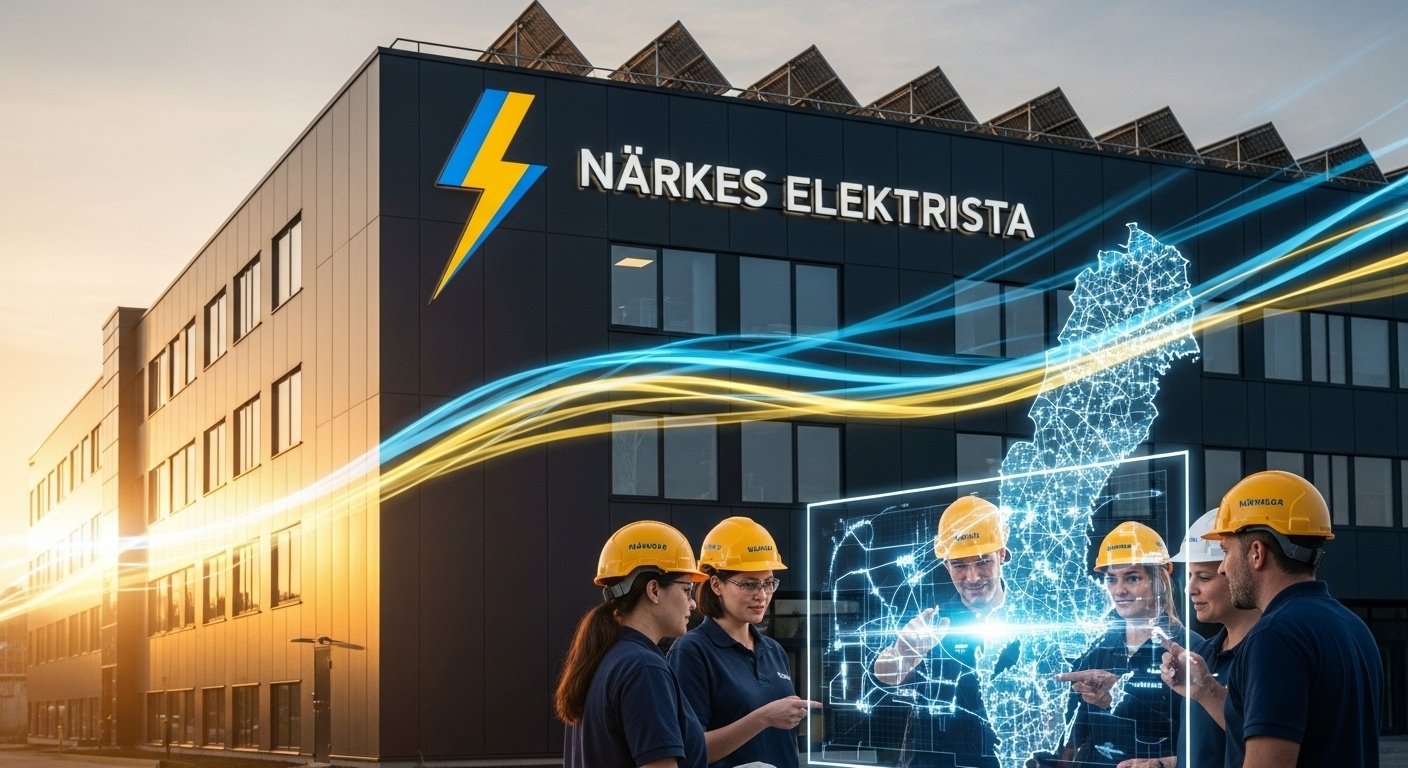
In today’s rapidly advancing technological era, electricity and electrical systems form the backbone of modern society. Among the prominent names contributing to this sector in Sweden is Närkes Elektriska. Known for its commitment to quality, innovation, and sustainability, Närkes Elektriska has established itself as a key player in both residential and industrial electrical solutions. This article explores the history, services, innovations, and impact of Närkes Elektriska, demonstrating why it is a trusted name in the Swedish electrical industry.
History and Background of Närkes Elektriska
Närkes Elektriska was founded with a vision to provide reliable electrical solutions that combine technical expertise with modern innovations. Over the years, the company has grown from a regional service provider into a recognized authority in electrical systems. With a focus on quality, safety, and customer satisfaction, Närkes Elektriska has successfully navigated the evolving demands of Sweden’s electrical infrastructure.
Read: vRealize Infrastructure Navigator
From its early beginnings offering basic electrical installations to now providing comprehensive solutions for industries, commercial projects, and residential needs, the company has consistently prioritized innovation and sustainability.
Core Services Offered by Närkes Elektriska
Närkes Elektriska offers a wide range of services, catering to diverse electrical needs. Their expertise spans both traditional and modern electrical systems.
Residential Electrical Services
In homes across Sweden, Närkes Elektriska ensures that electrical installations are safe, efficient, and future-ready. Services include:
- Full home wiring and electrical installations
- Smart home integration and automation
- Energy-efficient lighting solutions
- Electrical safety inspections and maintenance
These services help homeowners create a safe and technologically advanced living environment.
Commercial and Industrial Solutions
Businesses and industries require robust electrical systems to ensure smooth operations. Närkes Elektriska offers:
- Industrial electrical installations and maintenance
- Commercial lighting and power distribution systems
- Renewable energy integration, including solar panels
- Emergency backup systems and generators
By combining technical expertise with practical solutions, Närkes Elektriska supports the growth and efficiency of Swedish businesses.
Renewable Energy and Sustainability
As Sweden moves toward sustainable energy solutions, Närkes Elektriska has embraced renewable technologies. The company offers:
- Solar energy systems for homes and businesses
- Energy storage solutions and battery integration
- Electric vehicle (EV) charging station installation
- Sustainable energy consultancy
This commitment to sustainability reflects the company’s dedication to reducing environmental impact while providing modern energy solutions.
Innovations by Närkes Elektriska
Innovation is at the heart of Närkes Elektriska’s operations. The company continually invests in research, technology, and staff training to stay ahead in the dynamic electrical industry. Some notable innovations include:
- Smart energy management systems that optimize power usage
- Integration of IoT devices for intelligent electrical monitoring
- Advanced electrical safety solutions to prevent overloads and hazards
- Automated lighting systems for commercial and residential properties
Through these innovations, Närkes Elektriska enhances efficiency, safety, and reliability across all projects.
Safety Standards and Compliance
Electrical work requires strict adherence to safety regulations and compliance standards. Närkes Elektriska prioritizes the safety of both clients and technicians by ensuring:
- All work complies with Swedish electrical safety regulations
- Employees receive continuous training on safety and technical standards
- High-quality materials and components are used in every installation
- Regular inspections and preventive maintenance are conducted
By maintaining strict safety protocols, Närkes Elektriska builds trust and delivers dependable solutions.
Customer-Centric Approach
A key reason for the company’s success is its customer-focused philosophy. Närkes Elektriska emphasizes:
- Personalized consultation to understand client needs
- Transparent pricing and detailed project proposals
- Responsive after-sales support and maintenance services
- Flexibility to adapt solutions for residential, commercial, and industrial clients
This approach ensures that every client receives tailored solutions that align with their budget, timeline, and energy goals.
The Role of Närkes Elektriska in Sweden’s Electrical Industry
Sweden’s electrical sector is undergoing significant transformation, with a growing emphasis on renewable energy, smart infrastructure, and energy efficiency. Närkes Elektriska plays a critical role in this transformation by:
- Providing modern electrical solutions that support smart cities and sustainable living
- Partnering with technology providers to integrate the latest energy systems
- Educating clients about energy efficiency and sustainable practices
- Supporting industrial growth with advanced electrical infrastructure
Through these contributions, Närkes Elektriska strengthens Sweden’s position as a leader in sustainable and innovative energy solutions.
Future Prospects of Närkes Elektriska
The future of Närkes Elektriska looks promising as the demand for smart, sustainable, and reliable electrical solutions continues to rise. The company is expected to expand its services by:
- Increasing renewable energy installations, particularly solar and EV charging
- Incorporating more AI-driven solutions for energy management
- Expanding into new markets across Sweden and neighboring regions
- Continuing research into sustainable and efficient electrical technologies
With these initiatives, Närkes Elektriska aims to remain at the forefront of Sweden’s electrical innovation landscape.
Conclusion
Närkes Elektriska has built a reputation as a reliable, innovative, and customer-focused electrical services provider. From residential projects to large industrial installations, the company combines technical expertise with modern solutions to meet diverse electrical needs.
As Sweden continues its transition toward smart and sustainable energy systems, Närkes Elektriska is well-positioned to lead the industry with innovative technologies, sustainable practices, and unwavering commitment to safety and quality. For anyone seeking reliable electrical solutions, Närkes Elektriska represents trust, expertise, and forward-thinking innovation in Sweden’s evolving energy landscape.

Language evolves constantly, and new words appear in both everyday conversation and digital spaces. One term that has recently gained attention is servantful. While it may sound like a simple adjective derived from “servant,” its uses, interpretations, and contexts vary depending on social, cultural, and digital settings.
This article provides a comprehensive overview of servantful, exploring its definition, common applications, historical roots, and contemporary relevance. Readers will gain insights into how the term is used today and why understanding it can improve both communication and cultural awareness.
What Does Servantful Mean?
At its core, servantful is an adjective describing someone or something that embodies qualities of service, helpfulness, or attentiveness to others. It conveys a sense of willingness to assist, often with a positive or respectful connotation.
Key aspects of the meaning include:
- Helpfulness: Readiness to provide aid or support.
- Dutifulness: Performing tasks responsibly and reliably.
- Consideration: Awareness of others’ needs and acting accordingly.
While related words like “servantlike” or “submissive” exist, servantful generally emphasizes positive service rather than negative subordination.
Historical Background
The root of servantful comes from the Old French word servant, which itself originates from the Latin serviens, meaning “one who serves.” Historically, the term “servant” referred to individuals employed in households, often performing domestic duties.
Over time, the suffix -ful was added in English to describe someone possessing a quality in abundance—similar to words like “joyful” or “hopeful.” This transformation turned servantful into a descriptive term highlighting the virtue of being service-oriented.
Modern Usage of Servantful
In contemporary language, servantful appears in multiple contexts:
Workplace and Leadership
In professional environments, being its often associated with leadership styles like servant leadership, where leaders prioritize the growth, well-being, and development of team members. Such leaders are considered servantful because they actively serve their teams rather than merely give orders.
Personal Relationships
The term is also applied in personal contexts, referring to individuals who show consistent care and attentiveness toward friends, family, or partners. Being servantful in relationships often implies empathy, patience, and reliability.
Digital and Social Media
With the rise of online communities, the word has been used to describe helpful contributors who provide guidance, resources, or advice without expecting personal gain. On forums or platforms, a servantful user might offer tutorials, support, or mentorship to newcomers.
Characteristics of a Servantful Person
Several traits are commonly associated with someone described as servantful:
- Empathy: Understanding others’ perspectives and emotions.
- Reliability: Being dependable and consistent in actions.
- Humility: Offering assistance without seeking recognition.
- Proactiveness: Anticipating needs before being asked.
- Patience: Willingness to invest time and effort for others’ benefit.
Servantful in Leadership
The concept of servantful leadership has become increasingly prominent in management studies and organizational psychology.
Benefits of Servantful Leadership
- Higher Employee Satisfaction: Teams feel valued and supported.
- Improved Performance: Service-oriented leaders foster collaboration and trust.
- Long-Term Loyalty: Employees are more likely to stay in environments led by its managers.
Implementation
Leaders can cultivate servantfulness by:
- Actively listening to team members
- Providing mentorship and support
- Encouraging autonomy while offering guidance
- Recognizing and addressing personal and professional needs
Servantful vs. Other Similar Terms
It is important to distinguish servantful from related words:
- Servantlike: Implies resemblance to a servant, can be neutral or negative.
- Submissive: Focuses on obedience and yielding, often with passive connotations.
- Helpful: Broader term without the depth of moral or ethical service implied by servantful.
Servantful uniquely combines helpfulness with moral intentionality, emphasizing active and positive service.
Ethical Dimensions of Being Servantful
Being servantful is not merely about performing tasks; it involves ethical considerations:
- Respect: Serving others while maintaining mutual dignity.
- Integrity: Acting consistently with moral principles.
- Selflessness: Prioritizing others’ needs without exploiting the opportunity.
This ethical dimension aligns with philosophies like servant leadership, volunteerism, and community service.
Servantful in Education
Educators who are servantful often go beyond teaching basic curricula. They invest time in understanding students’ challenges, mentoring, and creating inclusive learning environments.
Benefits include:
- Increased student engagement
- Enhanced trust and rapport
- Promotion of collaborative learning
Servantful in Daily Life
Being servantful is not limited to workplaces or leadership roles. Everyday acts of service, like helping neighbors, assisting colleagues, or volunteering, reflect its behavior. Cultivating these qualities can improve social bonds, personal satisfaction, and overall community well-being.
Challenges of Being Servantful
While servantfulness is generally positive, it comes with challenges:
- Risk of Burnout: Constantly serving others without self-care can lead to stress.
- Potential Exploitation: Some may take advantage of a servantful person’s willingness.
- Balancing Needs: Maintaining personal boundaries while being helpful is essential.
Developing servantfulness requires self-awareness, emotional intelligence, and balance.
Servantful in Literature and Media
Though not a mainstream term in literature, servantful has appeared in philosophical writings, self-help books, and online communities emphasizing empathy, ethical service, and leadership. Its use often signals moral virtue and dedication to positive action.
Cultivating a Servantful Mindset
Anyone can develop servantful traits through intentional practice:
- Active Listening: Focus fully on others when they speak.
- Identify Needs: Observe and anticipate how you can help.
- Practice Humility: Serve without expecting recognition.
- Set Boundaries: Ensure personal well-being is maintained.
- Reflect: Regularly evaluate your actions and motivations.
Conclusion
Servantful is a versatile term that captures the essence of helpfulness, empathy, and positive service. Its relevance spans personal relationships, leadership, education, and online communities. While embodying its qualities can present challenges, it offers significant benefits to individuals and the communities they serve.
Understanding and applying servantful principles encourages ethical behavior, stronger social bonds, and effective leadership. Whether in professional settings or daily life, cultivating servantfulness contributes to a more cooperative, empathetic, and connected world.

In today’s fast-paced digital landscape, VMware administrators face the constant challenge of managing complex virtual environments. Enter vRealize Infrastructure Navigator—a powerful tool designed to simplify this task and enhance efficiency. Whether you’re looking to streamline operations or gain deeper insights into your infrastructure, this essential resource is tailored for you. Let’s dive into how vRealize Infrastructure Navigator can transform your approach to VMware administration and elevate your management skills in a competitive market.
You Might Also Like: Unsplash Guide
vRealize Infrastructure Navigator is a game-changer for VMware administrators, offering insights and tools to optimize virtual environments. This blog will explore its key features, installation tips, configuration best practices, and real-world applications. We’ll also discuss how mastering this tool can enhance your career opportunities in the ever-evolving tech landscape.
Introduction
As virtualization continues to revolutionize IT infrastructure, VMware administrators face growing challenges in managing complex environments. vRealize Infrastructure Navigator emerges as a vital tool designed specifically for these professionals. It simplifies monitoring and management, enabling admins to gain better insights into their virtual landscapes while improving efficiency and performance across the board.
Overview of vRealize Infrastructure Navigator
vRealize Infrastructure Navigator is a powerful tool designed for VMware environments. It provides administrators with real-time visibility into their virtual infrastructure, helping to map dependencies and relationships between various components. With intuitive dashboards and comprehensive insights, it simplifies the management of complex infrastructures, enabling efficient resource allocation and troubleshooting. This makes it an essential asset for any VMware administrator.
Importance of vRealize Infrastructure Navigator for VMware Administrators
vRealize Infrastructure Navigator is crucial for VMware administrators as it provides a comprehensive view of the virtual environment. This tool helps streamline management by offering insights into relationships between applications and their underlying infrastructure. By utilizing this powerful resource, administrators can enhance performance, improve troubleshooting efforts, and make informed decisions that optimize overall system efficiency.
Key Features
vRealize Infrastructure Navigator boasts several key features that enhance VMware management. It offers real-time visibility into applications and their dependencies, simplifying troubleshooting. The tool provides detailed insights into infrastructure performance, enabling proactive resource allocation. Additionally, it integrates seamlessly with other VMware products, creating a unified experience for administrators looking to optimize their environments effectively.
Exploration of the key features offered by vRealize Infrastructure Navigator
vRealize Infrastructure Navigator offers a suite of powerful features that streamline VMware management. It provides detailed visibility into application dependencies, enabling administrators to visualize their environments effectively. The intuitive interface allows for quick navigation through infrastructure components, while robust reporting capabilities enhance decision-making. Additionally, it supports real-time monitoring, ensuring optimal performance and resource utilization across the virtual landscape.
How these features contribute to efficient VMware administration
The features of vRealize Infrastructure Navigator streamline VMware administration by providing real-time visibility into the infrastructure. Administrators can quickly identify dependencies and performance issues, enhancing troubleshooting efficiency. Automated mapping helps in optimizing resource allocation, while detailed insights support informed decision-making. This holistic view simplifies management tasks and promotes a more agile IT environment.
Installation and Licensing
Installing vRealize Infrastructure Navigator is straightforward. Begin by downloading the software from VMware’s official site. Follow the prompts to set it up on your system, ensuring that prerequisites are met. For licensing, review VMware’s guidelines; a valid license key is essential for full functionality and compliance. Always consider best practices to avoid issues during installation and operation.
Step-by-step guide for installing vRealize Infrastructure Navigator
To install vRealize Infrastructure Navigator, start by downloading the software package from VMware’s official site. Next, deploy it through your existing vSphere environment. Follow the on-screen instructions to configure settings like network and storage options. Once completed, access the web interface and finalize any additional configuration steps to get started with managing your infrastructure efficiently.
Licensing requirements and best practices
Licensing for vRealize Infrastructure Navigator is essential to ensure compliance and maximize functionality. Users should choose the correct licensing tier based on their organizational needs. It’s best to regularly review license usage and keep an eye on VMware’s updates, as features may evolve or change, impacting your requirements over time. Staying informed helps maintain optimal performance.
Configuration
Configuring vRealize Infrastructure Navigator requires attention to detail. Start by aligning settings with your organization’s infrastructure needs. Ensure proper integration with other VMware tools like vRealize Operations Manager for seamless functionality. Regularly revisit configurations to adapt to changing workloads and environments, maximizing the tool’s capabilities while enhancing overall efficiency in management practices.
Tips and best practices for configuring vRealize Infrastructure Navigator to maximize its utility
To maximize the utility of vRealize Infrastructure Navigator, start by aligning its configuration with your organization’s specific needs. Regularly update the tool to leverage new features and enhancements. Utilize custom dashboards for tailored insights, and ensure proper tagging for easy resource identification. Conduct periodic reviews of configurations to adapt to changing infrastructure demands effectively.
Integration with other VMware tools like vRealize Operations Manager
Integrating vRealize Infrastructure Navigator with other VMware tools, such as vRealize Operations Manager, enhances visibility and control over your virtual environment. This synergy allows administrators to correlate performance data with infrastructure dependencies. It streamlines troubleshooting processes and offers deeper insights, ensuring that resources are utilized effectively and potential issues are identified before they impact operations.
Administration
Managing vRealize Infrastructure Navigator is crucial for optimal performance. Regular updates and maintenance ensure the tool runs smoothly. Keep an eye on usage metrics to identify any potential issues early on. Familiarizing yourself with troubleshooting techniques can save time and enhance efficiency, allowing administrators to focus on more strategic tasks within their VMware environment.
Managing and maintaining vRealize Infrastructure Navigator for ongoing efficiency
Regular updates and monitoring are key to managing vRealize Infrastructure Navigator effectively. Schedule routine checks to ensure the tool is running smoothly. Utilize built-in analytics for insights into performance trends. Engage with community forums or support channels for troubleshooting tips. Staying proactive enhances efficiency and helps prevent potential issues before they arise, ensuring seamless VMware administration.
Troubleshooting common issues and performance optimization
Common issues with vRealize Infrastructure Navigator often include performance lags or data inaccuracies. Regularly check system resources and ensure timely updates to avoid bottlenecks. Monitoring logs can reveal errors, while adjusting settings for resource allocation helps optimize performance. Utilizing built-in diagnostics tools also enhances troubleshooting efforts, providing a smoother experience for VMware administrators in managing their infrastructures.
Real-World Applications
vRealize Infrastructure Navigator is essential for troubleshooting complex issues in real-time. For instance, it helps administrators quickly identify resource bottlenecks or misconfigured settings. Additionally, during migrations, this tool allows seamless visibility into dependencies and relationships between applications and infrastructure components. Such clarity is crucial for minimizing downtime and ensuring smooth transitions in virtual environments.
Real-world scenarios where vRealize Infrastructure Navigator proves invaluable
VMware administrators often face challenges in managing complex infrastructures. vRealize Infrastructure Navigator shines in scenarios like optimizing resource allocation during peak loads or troubleshooting performance issues across virtual machines. It enables quick identification of dependencies, enhancing visibility and control, which is vital for smooth operations and effective incident resolution within dynamic data centers.
Challenges and solutions faced by VMware administrators in utilizing the tool
VMware administrators often face challenges like integration issues and steep learning curves with vRealize Infrastructure Navigator. Adapting to its interface can be daunting, leading to underutilization. To tackle this, hands-on training sessions and regular updates can enhance proficiency. Additionally, leveraging community forums for support helps solve specific problems faster while fostering better understanding of the tool’s capabilities.
Interview Preparation and Professional Conversations
Understanding vRealize Infrastructure Navigator can significantly enhance your marketability as a VMware administrator. Familiarity with the tool allows you to showcase problem-solving skills during interviews. Prepare by articulating how you’ve utilized it for efficient infrastructure management. Practice discussing its features confidently, demonstrating both technical knowledge and practical applications in real-world settings to impress potential employers.
How vRealize Infrastructure Navigator knowledge can enhance career opportunities
Proficiency in vRealize Infrastructure Navigator sets you apart in the competitive landscape of VMware administration. This expertise signals to employers your ability to manage complex infrastructures effectively. As businesses increasingly adopt virtualization, familiarity with this tool can lead to advanced roles, higher salaries, and exciting project opportunities within IT environments focused on optimization and efficiency.
Strategies for effectively communicating the value of vRealize Infrastructure Navigator in professional settings
To effectively communicate the value of vRealize Infrastructure Navigator, focus on sharing concrete examples. Highlight how it streamlines operations and enhances visibility in VMware environments. Use visuals like charts or dashboards during presentations to illustrate benefits. Tailor your message to your audience’s needs, addressing specific pain points and showing how the tool provides solutions uniquely suited for them.
Conclusion
vRealize Infrastructure Navigator stands out as a vital tool for VMware administrators. Its intuitive design and robust features simplify infrastructure management while enhancing visibility. Embracing this tool can lead to more efficient operations, making it an essential asset in today’s complex IT environments. Adopting vRealize Infrastructure Navigator is a strategic move towards improved system performance and administration efficiency.
Summary of the benefits and significance of vRealize Infrastructure Navigator for VMware administrators.
vRealize Infrastructure Navigator streamlines VMware management, offering real-time visibility and insights into infrastructure performance. Its intuitive features enable administrators to quickly identify issues, optimize resources, and enhance overall efficiency. With seamless integration into existing workflows, this tool empowers professionals to make informed decisions that drive operational excellence in virtual environments. It’s a game-changer for effective VMware administration.
Final thoughts on the tool and its impact on VMware infrastructure management.
vRealize Infrastructure Navigator stands out as a pivotal tool for VMware administrators. Its ability to provide deep insights into infrastructure components enhances operational efficiency and reduces downtime. The integration with other VMware solutions amplifies its utility, making it indispensable in modern IT environments. Embracing this tool can significantly streamline management tasks, allowing admins to focus on strategic initiatives rather than routine troubleshooting. Staying ahead of the curve with vRealize Infrastructure Navigator can transform how organizations manage their virtual infrastructures, paving the way for smoother operations and greater innovation.


- Blog9 months ago
El verdadero significado de Honrar a Dios según la Biblia
- Blog9 months ago
¡Entérate qué es un anatema según la Biblia!
- Blog9 months ago
Descubre el significado bíblico de la ignominia
- Blog9 months ago
Qué simboliza el color naranja en la Biblia?
- Blog9 months ago
Qué significa ver un colibrí: leyendas y simbolismos

 Entertainment7 months ago
هنتاوي.com: Discover Trending Arabic Content Online
- Blog9 months ago
El término cielo en la biblia católica: su profundo significado
- Blog9 months ago
Descubre el significado de la palabra «collado» según la Biblia