
Blog
Pretorio: Su Significado en la Biblia y su Importancia

En la época bíblica, el pretorio era la residencia oficial del procurador de la provincia. Según el Nuevo Testamento, Poncio Pilato, el procurador de Judea, vivía en el Pretorio en Jerusalén. Pero, ¿por qué es relevante este término para nosotros hoy en día?
Para entender su significado actual, es necesario repasar la historia detrás de este lugar y su importancia en la Biblia.
El Pretorio: un lugar crucial en la condena de Jesús
Uno de los momentos más conocidos del Pretorio en la Biblia es su participación en la condena de Jesús. De hecho, el proceso que llevó a la ejecución de Jesús comenzó en el Pretorio, cuando fue presentado ante Pilato.
Según el evangelio de Juan, Pilatos llevó a Jesús al interior del Pretorio y le preguntó: «¿Eres tú el rey de los judíos?». Jesús respondió diciendo que su reino no era de este mundo. Luego, durante el proceso, los soldados le vistieron con una túnica escarlata y le pusieron una corona de espinas en la cabeza.
Finalmente, el Pretorio es el lugar donde se tomó la decisión final y se ordenó la crucifixión de Jesús. Es decir, el Pretorio es el lugar donde Cristo fue condenado y sentenciado a la muerte.
La importancia del Pretorio para los cristianos
El Pretorio es un lugar simbólico del sufrimiento y la muerte de Jesús. Para los cristianos, representa la injusticia infligida a Cristo y el sacrificio que hizo por ellos. También simboliza el poder de Roma sobre Palestina y la debilidad del pueblo judío en ese momento histórico.
Además, la presencia del Pretorio en la Biblia no solo es relevante para los cristianos, sino también para los historiadores, ya que ofrece una visión de la vida cotidiana de las autoridades romanas en una provincia ocupada.
Cómo el Pretorio se convirtió en un símbolo de poder
El Pretorio no solo tenía un significado religioso, sino que también se convirtió en un símbolo de poder y opresión para los romanos. Se sabe que, en algunos lugares, el pretorio se ubicaba cerca del centro de la ciudad, lo que lo hacía fácilmente accesible al pueblo.
Desde allí, los soldados romanos ejercían el poder para mantener el orden y castigar a los delincuentes. También se usaba para alojar a los prisioneros de guerra y a los criminales, lo que lo hacía un lugar temido y peligroso.
Además, el Pretorio también tenía un papel en la propaganda del imperio. Los emperadores romanos se jactaban de sus victorias militares y sus expediciones, y solían esculpir en las paredes de los Pretorios las insignias de sus legiones y sus conquistas.
El Pretorio en la actualidad
Hoy en día, el Pretorio sigue siendo un lugar importante para muchas personas, especialmente para los cristianos. El Pretorio de Jerusalén fue destruido durante la revuelta judía contra los romanos en el 70 d.C., pero su importancia histórica lo hace uno de los lugares más visitados en la ciudad santa.
En la actualidad, podemos encontrar Pretorios en otros lugares del mundo, como en Italia, donde el Pretorio de Roma era uno de los edificios más grandes y suntuosos de la ciudad en su época.
En vista de lo anterior, el Pretorio es un lugar con una gran importancia histórica y religiosa dentro de la Biblia. Desde allí, se tomó la decisión de condenar a Jesús a la crucifixión, lo que lo convierte en un lugar simbólico para los cristianos, pero también representa la opresión romana y su despiadado poder a través de la historia.
¿Que era el pretorio en los tiempos de Jesús?
En los tiempos de Jesús, el pretorio era un lugar crucial en la ciudad de Jerusalén. Era el lugar donde se levantaba la famosa Torre Antonia que se encontraba en la esquina noroeste del templo. Según la tradición, era la estancia del procurador romano Poncio Pilato, donde Jesús fue juzgado y condenado a muerte.
Para entender lo que era el pretorio, es necesario conocer un poco sobre la situación política en Judea en la época de Jesús. En aquel tiempo, Judea estaba bajo el control del imperio romano, y Poncio Pilato era el procurador romano que gobernaba la región. El pretorio era su residencia oficial en Jerusalén, donde llevaba a cabo sus deberes gubernamentales.
Durante la época del Segundo Templo de Jerusalén, el pretorio era un lugar muy importante en la ciudad, ya que se encontraba en una posición estratégica entre el templo y la fortaleza Antonia. La fortaleza Antonia fue construida por Herodes el Grande para proteger el templo y es posible que Pilato ordenara la construcción de la Torre Antonia en la misma ubicación para mantener el control del templo y de la ciudad.
La Torre Antonia era una estructura impresionante de varios pisos, que se elevaba por encima de las paredes del templo. Podía albergar una guarnición militar y cuenta con una gran cantidad de habitaciones y áreas de esparcimiento. En aquel entonces, el edificio también servía como lugar de reunión para los líderes judíos durante las festividades del templo.
El pretorio en sí mismo era un lugar donde se llevaban a cabo las audiencias y los juicios. En la época de Jesús, el proceso judicial romano prevalecía en toda la región. El proceso se llevaba a cabo en la presencia de dos testigos, y el acusado tenía derecho a ser defendido por un abogado. Sin embargo, este proceso no parece haber sido seguido en la audiencia de Jesús, como se relata en los Evangelios.
La Biblia relata que Jesús fue llevado ante Poncio Pilato en el pretorio, donde fue interrogado y acusado de sedición contra el imperio romano. Pilato lo encontró inocente, pero la multitud lo condenó a muerte y fue crucificado.
El pretorio en los tiempos de Jesús también era un lugar de intensa actividad política. Judea era una región volátil y la presencia de las legiones romanas siempre era vista con recelo por la población judía. La Torre Antonia y el pretorio eran lugares que representaban el poder y la dominación romana en la ciudad.
La existencia del pretorio en Jerusalén marcó una división importante en la región. Por un lado, representaba el poderío del imperio romano, mientras que por el otro, era objeto de resentimiento y desconfianza por parte de los judíos que querían la independencia de su región y la expulsión de los romanos de su tierra.
La importancia del pretorio en los tiempos de Jesús fue enorme, ya que fue el lugar donde se llevaron a cabo los eventos que llevaron a la muerte del fundador del cristianismo. Aunque su papel político era crucial, su papel religioso se convirtió en uno de los momentos más importantes de la historia de la humanidad.
En esencia, el pretorio en los tiempos de Jesús era un lugar donde se llevaban a cabo los juicios y las audiencias, y tenía una ubicación estratégica en la ciudad de Jerusalén. En la actualidad, el lugar es de gran importancia para los cristianos, y Jerusalén es uno de los lugares más sagrados para las tres religiones abrahámicas.
¿Qué significa la palabra pretorio?
Bienvenidos a nuestro blog, hoy hablaremos sobre una palabra poco común en nuestro vocabulario diario: pretorio. Aunque de origen antiguo, su significado es importante para entender una parte de nuestra historia y cultura.
¿Qué es un pretorio?
Un pretorio se utilizaba en la antigua Roma. Era un espacio dentro de un campamento militar en el que se instalaba la tienda del general.
La palabra «pretorio» proviene del término latino Praetorium que, según los antiguos romanos, era el lugar donde residía el gobernador, administraba justicia y tomaba decisiones importantes.
El uso del pretorio
Durante las guerras de conquista, las tropas romanas establecían campamentos que se organizaban en torno a una plaza central. En esa plaza, se localizaba la tienda del general, lo que se consideraba el pretorio.
Los romanos consideraban el pretorio un lugar sagrado y seguro. Allí se almacenaba el estandarte del ejército, se tomaban decisiones importantes y se celebraban algunas ceremonias.
En el caso de los generales, la tienda en la que se encontraba el pretorio era mucho más grande y tenía una cierta representatividad. Además, permitía que el general fuera accesible para sus hombres.
El significado del pretorio en la actualidad
En la actualidad, el pretorio es un término que se utiliza en algunos ámbitos, como por ejemplo, para referirse a la residencia oficial de un gobernador.
También se utiliza para hacer referencia a un edificio público que tenga relación con el poder judicial. Por ejemplo, en algunas ciudades encontramos edificios que se llaman pretorios y que son sede de juzgados o tribunales.
Conclusión
En síntesis, la palabra pretorio proviene del latín y tiene un originen muy antiguo en la cultura romana. Aunque su significado ha evolucionado, hoy en día sigue siendo una palabra presente en el vocabulario de diversas áreas de la sociedad actual.
Es importante conocer el origen y significado de las palabras, para entender de mejor manera nuestro presente y nuestra cultura. Esperamos que este breve resumen te haya resultado interesante e informativo.
Lo que dicen nuestros usuarios
Para mi como mexicano, la palabra «pretorio» es poco común en mi vocabulario diario, sin embargo, me resulta interesante conocer su significado en la biblia y su relevancia en la historia de Judea. Es valioso aprender sobre la cultura y las palabras utilizadas en la época bíblica para entender mejor los textos sagrados.
¿Donde estaba ubicado el pretorio?
El pretorio es el lugar desde donde Poncio Pilatos juzgó a Jesús antes de su crucifixión en Jerusalén. La ubicación exacta de este lugar sigue siendo un misterio. Diferentes teorías se han propuesto, y la controversia continúa hoy en día.
La Torre Antonia es considerada por muchos como el lugar del pretorio. Como tal, se ha convertido en un punto turístico popular en la Vía Dolorosa, la ruta que se cree que Jesús llevó antes de su crucifixión. Sin embargo, esta teoría es objeto de un intenso debate.
En una tierra donde la historia y las tradiciones religiosas se entrelazan, encontrar la verdad sobre la ubicación exacta del pretorio se convierte en una tarea compleja. A pesar de la falta de certeza, las teorías e historias sobre la ubicación del pretorio son fascinantes y están llenas de intriga.
¿Dónde se ubica la Torre Antonia?
La Torre Antonia se encuentra en la Vía Dolorosa, en la ciudad vieja de Jerusalén. Es considerada uno de los lugares sagrados más importantes de la ciudad.
Originalmente construida como una fortaleza por Herodes el Grande, se convirtió en un centro militar romano durante la ocupación romana de Judea. Fue nombrada en honor a Marco Antonio, amigo y aliado del emperador César Augusto.
A lo largo de los siglos, ha sido objeto de numerosas destrucciones y reconstrucciones y ha cambiado de manos muchas veces. Todavía se pueden ver restos de la estructura original en la torre, que mantiene grandes bloques de piedra con huellas de la mano romana.
¿Es la Torre Antonia el lugar del pretorio?
La Torre Antonia es el sitio más ampliamente aceptado como el lugar del pretorio, pero no hay evidencia concreta que confirme que este sea el caso.
Hay varias teorías alternativas, incluyendo la idea de que el palacio superior de Herodes, a unas pocas cuadras de distancia, podría haber sido el lugar del pretorio. Otros sugieren que el lugar estaba ubicado cerca del Muro Occidental, también conocido como el Muro de las Lamentaciones.
La cuestión de la ubicación del pretorio es en gran parte un tema de especulación y no hay respuesta clara y concluyente.
El debate en la arqueología y la historia
El debate sobre la ubicación del pretorio ha dividido a los historiadores y arqueólogos. Aunque la Torre Antonia es el lugar más popularmente aceptado, hay aquellos que no están convencidos por completo por esta teoría.
Una teoría alternativa sugiere que el palacio superior de Herodes podría haber sido el lugar del pretorio. Esta teoría se basa en una descripción en la Biblia del juicio de Jesús, que lo lleva desde el palacio de Herodes hacia el lugar de la crucifixión. Según esta teoría, el camino que Jesús habría tomado en su camino hacia el Pretorio pasa directamente por el palacio superior.
Otra teoría sostiene que el lugar del pretorio estaría ubicado «abajo en el valle», posiblemente cerca del Muro de las Lamentaciones. Sin embargo, no hay ninguna evidencia concreta que apoye esta teoría.
La historia del lugar del pretorio
El lugar del pretorio ha sido objeto de una gran cantidad de especulaciones y leyendas a lo largo de los siglos. Desde los primeros tiempos, los cristianos han visitado Jerusalén para ver los lugares sagrados asociados con la vida de Jesús.
En el área de Antonia, se encuentra un complejo de memorias que se formó a partir del siglo XII. Este complejo incluye la llamada «Puerta Dolorosa», que es la entrada occidental al edificio. Desde aquí, los peregrinos continúan por la Vía Dolorosa, emulando la ruta de Jesús hacia la crucifixión.
A lo largo de los siglos, se han agregado otras memorias, como las casas de los sumos sacerdotes Anás y Caifás, la casa de Herodes y una nueva iglesia que señala el «Espasmo de la Virgen». Así se formó el esquema actual de las catorce estaciones de la Vía Crucis.
La ubicación exacta del pretorio sigue siendo un misterio y es objeto de un intenso debate. Mientras que la Torre Antonia es el lugar más ampliamente aceptado como el lugar del pretorio, hay teorías alternativas que sugieren que el palacio superior de Herodes o algún lugar cerca del Muro de las Lamentaciones podrían ser la ubicación real.
La historia y las leyendas que rodean a la ubicación del pretorio son fascinantes y continúan atrayendo a los visitantes de Jerusalén en busca de respuestas y curiosidad. Aunque la certeza sigue siendo difícil de alcanzar, la búsqueda de la verdad sobre la ubicación del pretorio nos lleva a un viaje por la historia y la tradición sagrada de la ciudad.

Imagine a world where ceramic materials are no longer just functional but also transformative. Meet Sodiceram, the innovative game-changer in the realm of ceramics. This advanced material blends durability with aesthetics, paving the way for remarkable applications across various industries. Whether you’re an architect seeking inspiration or a designer looking to elevate your projects, Sodiceram promises to redefine what’s possible. Its unique properties not only enhance performance but also open up new avenues for creativity and innovation. Let’s dive into what makes Sodiceram stand out in today’s market and explore how it is shaping the future of construction and design.
Key Features of Sodiceram
Sodiceram stands out due to its unique composition. This innovative ceramic material is designed for durability and versatility. It’s engineered to withstand extreme temperatures, making it ideal for a variety of environments.
Another key feature is its lightweight nature. Unlike traditional ceramics, Sodiceram offers ease in handling and installation. This not only speeds up construction time but also reduces labor costs.
Its aesthetic appeal cannot be overlooked either. Sodiceram comes in various colors and finishes, allowing designers to unleash their creativity without compromising functionality.
You Might Also Like: HMS Photovoltaik
Additionally, the material boasts excellent moisture resistance. This property makes it suitable for both indoor and outdoor applications, ensuring longevity even in challenging conditions.
Sodiceram is eco-friendly. Made from sustainable resources, it aligns with modern environmental standards while maintaining superior performance characteristics.
Applications of Sodiceram
Sodiceram is making waves in various industries due to its versatility. From architecture to interior design, this innovative material adapts seamlessly to different environments.
In commercial spaces, Sodiceram surfaces offer a blend of aesthetics and functionality. Retail stores leverage its durability while enhancing visual appeal.
Residential applications are equally impressive. Homeowners appreciate the stylish options for countertops, flooring, and even wall cladding. Its resistance to stains and scratches makes it ideal for high-traffic areas.
The healthcare sector also benefits from Sodiceram’s hygienic properties. Hospitals utilize it in patient rooms and surgical theaters where cleanliness is paramount.
Even outdoors, Sodiceram shines as an excellent choice for landscaping features or patio designs. Its ability to withstand varying weather conditions ensures long-lasting beauty and performance across all settings.
Advantages of Using Sodiceram
Sodiceram brings a host of advantages to the table, making it an appealing choice for various projects. Its lightweight nature simplifies installation, reducing both labor costs and time on-site.
Durability is another standout feature. Unlike traditional ceramics, Sodiceram is resistant to cracking and chipping. This longevity ensures that surfaces look great even under heavy use.
Additionally, it’s eco-friendly. Made from sustainable materials, it contributes positively to green building practices. Architects appreciate this aspect when aiming for LEED certification or similar standards.
Another key benefit lies in its versatility. Available in numerous colors and textures, Sodiceram can easily adapt to any design aesthetic without compromising performance.
Maintenance is minimal compared to conventional options; it requires less frequent cleaning while resisting stains effectively. These qualities make Sodiceram a smart investment for architects and builders alike.
Sodiceram vs Traditional Ceramic Materials
Sodiceram stands out when compared to traditional ceramic materials. Its unique composition provides enhanced durability and flexibility, which are often lacking in conventional ceramics.
While traditional ceramics can be brittle, Sodiceram boasts increased resistance to cracking and chipping. This makes it a more reliable choice for both structural applications and intricate designs.
Another major difference lies in the versatility of Sodiceram. It can be molded into complex shapes with ease, opening up creative possibilities that standard ceramics simply cannot match.
Additionally, the lightweight nature of Sodiceram contributes significantly to its appeal. Traditional ceramic materials tend to add substantial weight to structures, whereas Sodiceram allows architects and designers to achieve stunning aesthetics without compromising structural integrity.
The sustainability factor also plays a role; many traditional ceramics have high environmental costs associated with their production, while innovations like Sodiceram focus on eco-friendly processes.
Why Architects and Designers Choose Sodiceram
Architects and designers are increasingly turning to Sodiceram for its versatility. This innovative material allows for a range of creative possibilities, making it easier to bring unique visions to life.
The aesthetic appeal of Sodiceram is another significant factor. With various textures and colors available, it can seamlessly blend into any design style, from modern minimalism to classic elegance.
Durability also plays a crucial role in their decision-making process. Unlike traditional materials, Sodiceram withstands environmental stressors without compromising its appearance or functionality.
Moreover, the lightweight nature of Sodiceram simplifies the installation process. Designers appreciate how this reduces labor costs while allowing for more intricate designs that might be impractical with heavier materials.
Sustainability is becoming increasingly important in architecture. The eco-friendly attributes of Sodiceram resonate well with professionals who prioritize responsible sourcing and manufacturing practices in their projects.
The Future of Sodiceram in Construction and Design
As the demand for sustainable building materials grows, Sodiceram is poised to lead the charge in construction and design. Its innovative properties open doors to new possibilities that were previously unimaginable.
Imagine structures that not only withstand time but also minimize environmental impact. With its durability and low maintenance requirements, Sodiceram fits perfectly into eco-friendly initiatives.
Architects are exploring unique textures and colors, allowing for a diverse range of aesthetics. This adaptability makes it an appealing choice for modern projects.
Furthermore, as technology advances, we can expect even more enhancements in Sodiceram’s formulations. Such developments could revolutionize how materials are used in everyday applications.
The shift toward integrating smart elements within ceramics could also redefine functionality, blending art with purpose seamlessly. The future looks bright for this remarkable material as it takes center stage in contemporary architecture and design endeavors.
Conclusion
Sodiceram is rapidly transforming the landscape of construction and design. Its innovative properties offer endless possibilities for architects and designers who seek materials that not only look stunning but also perform exceptionally well. As sustainability becomes a priority, Sodiceram stands out as an eco-friendly choice that does not compromise on quality or aesthetics.
The advantages it brings, from enhanced durability to versatile applications, make it clear why this material is gaining traction in various industries. Traditional ceramics may have their place, but Sodiceram’s unique features are paving the way for modern solutions that resonate with current trends.
As we move forward into a world where design meets functionality seamlessly, embracing materials like Sodiceram will undoubtedly shape the future of architecture and interior spaces. The demand for innovation continues to rise; therefore, keeping an eye on developments in this sector could be crucial for anyone involved in building or designing environments meant to inspire and endure.

In today’s fast-paced digital world, businesses, creators, and innovators are constantly searching for ways to stand out, engage audiences, and adapt to ever-evolving technologies. With millions of platforms, products, and ideas competing for attention, capturing a user’s interest is only the first step. The real challenge lies in transforming attention into meaningful engagement, loyalty, and measurable success. This is where hormita emerges as a powerful concept in the modern digital landscape.
Although still relatively new, hormita has begun to gain recognition as a term symbolizing creativity, innovation, and adaptive strategies. It can represent a digital methodology, a brand identity, a creative framework, or a technological approach that emphasizes transformation, efficiency, and problem-solving. Its versatility and originality make it highly valuable for entrepreneurs, digital strategists, and creative professionals looking to differentiate themselves in competitive markets.
Read: BlogFontlu
This article delves deeply into hormita—exploring its potential meaning, principles, applications, benefits, and its growing relevance in shaping modern business and digital practices.
Understanding Hormita
At its core, hormita represents a mindset focused on achieving tangible results through innovation, user-centered design, and technology-driven strategies. Unlike traditional frameworks that prioritize outputs over experience, hormita emphasizes a holistic approach where technology, creativity, and strategy are seamlessly integrated.
Key characteristics of hormita include:
- Innovation-Centric Thinking: Encouraging creative solutions and experimentation in business and technology.
- Adaptability: Remaining flexible in fast-changing environments.
- User-Focused Design: Prioritizing meaningful experiences for audiences or customers.
- Technology Integration: Leveraging tools like AI, automation, and analytics to streamline operations and decision-making.
By combining these elements, hormita serves as a modern framework that allows organizations and creators to solve complex challenges while remaining agile, innovative, and results-oriented.
The Evolution of Digital and Business Strategies
To understand the relevance of hormita, it is essential to examine how business and digital strategies have evolved over time.
Early Business Approaches
Traditionally, businesses relied on methods such as:
- Direct sales and personal interactions
- Printed marketing materials
- Manual operational processes
While effective for their time, these methods lacked scalability and were limited in adaptability in a rapidly digitizing world.
The Digital Emergence
With the rise of the internet and digital platforms, businesses had to rethink strategies:
- Websites and e-commerce platforms became critical
- Email marketing, social media, and digital ads started replacing traditional campaigns
- Analytics and data metrics became essential for informed decision-making
This shift created the foundation for modern frameworks like hormita, which go beyond basic digital adoption and integrate technology, creativity, and optimized processes.
Data-Driven Optimization
Modern organizations rely heavily on data-driven strategies to improve efficiency and customer experience. By analyzing user behavior, market trends, and performance metrics, businesses can make smarter decisions. Hormita builds on this principle by embedding data insights into every aspect of operations and digital engagement.
Core Principles of Hormita
Several principles define the hormita approach:
1. Innovation and Creativity
At the heart of hormita is innovation. Organizations are encouraged to think beyond conventional solutions and experiment with new approaches. Examples include:
- Developing advanced digital tools
- Designing intuitive, user-friendly interfaces
- Creating experimental marketing and engagement campaigns
2. Adaptability and Agility
The modern marketplace is dynamic. Hormita emphasizes flexibility in:
- Project management
- Strategic planning
- Responding to evolving customer needs
3. Technology Integration
Technology plays a central role in hormita. Key areas include:
- Artificial Intelligence: Predictive analytics and automation for smarter workflows
- Data Analytics: Informing decisions and optimizing strategies
- Process Automation: Reducing manual tasks and enhancing operational efficiency
4. User-Centered Approach
A successful hormita strategy prioritizes the user experience. By understanding audience preferences and behaviors, businesses can create engaging and intuitive interactions that drive loyalty and conversions.
Applications of Hormita
The versatility of hormita allows it to be applied across multiple sectors:
Technology and Startups
Tech companies can leverage hormita to:
- Develop innovative software or platforms
- Integrate AI and machine learning solutions
- Facilitate collaborative workflows for remote teams
Marketing and Branding
Digital marketing strategies benefit from hormita by:
- Optimizing website and app user experiences
- Implementing data-driven and personalized campaigns
- Improving engagement through targeted content and interactive experiences
Education and Knowledge Platforms
Educational platforms can use hormita to:
- Offer adaptive learning and interactive courses
- Enable collaborative learning communities
- Personalize experiences to improve knowledge retention
Creative Industries
Artists, designers, and creators can apply hormita to:
- Launch experimental visual campaigns
- Incorporate immersive technologies like AR/VR
- Build innovative digital identities and brands
Benefits of Adopting Hormita
Organizations and creators that embrace hormita can achieve significant advantages:
- Improved Efficiency: Streamlined workflows and decision-making
- Higher Engagement: User-focused experiences drive loyalty
- Increased Innovation: Encourages creative experimentation
- Scalability: Adapts strategies for evolving markets and platforms
- Stronger Brand Identity: Establishes a memorable presence in competitive environments
Tools Supporting Hormita Strategies
Implementing hormita effectively requires modern digital tools:
- Analytics Platforms: Track performance and user behavior
- Marketing Automation: Streamline campaigns and audience engagement
- Collaboration Software: Efficiently manage projects and remote teams
- AI Insights: Provide predictive decision-making and personalization
Challenges in Implementing Hormita
While beneficial, adopting hormita can present challenges:
- Complexity: Balancing creativity, technology, and strategy can be challenging
- Continuous Adaptation: Businesses must continuously evolve strategies
- Data Privacy: Ensuring responsible technology use while respecting regulations
- Resource Allocation: Investing in tools, infrastructure, and training is essential
Future Trends in Hormita
As technology evolves, hormita will continue to grow:
- AI-Driven Personalization: Tailored experiences for customers
- AR/VR Integration: Immersive digital interactions
- Blockchain Applications: Secure and transparent operations
- Global Collaboration: Platforms connecting innovators worldwide
Why Hormita Matters
In today’s fast-changing digital economy, success requires more than technology adoption—it demands a holistic framework that integrates innovation, creativity, adaptability, and efficiency. Hormita empowers organizations to:
- Innovate effectively
- Optimize user experiences
- Strengthen brand value
- Adapt rapidly to emerging opportunities
Ultimately, hormita is more than a strategy—it is a philosophy for thriving in dynamic digital landscapes.
Conclusion
The concept of hormita represents a modern, versatile framework for digital transformation, creativity, and innovation. Its principles can be applied across industries—technology, marketing, education, and creative sectors—to build adaptive, impactful, and engaging strategies.
In an environment where originality and efficiency are critical, hormita provides the flexibility and innovation needed to succeed. With the right mindset, strategy, and tools, what starts as a simple concept can evolve into a powerful force shaping the future of business and digital engagement.
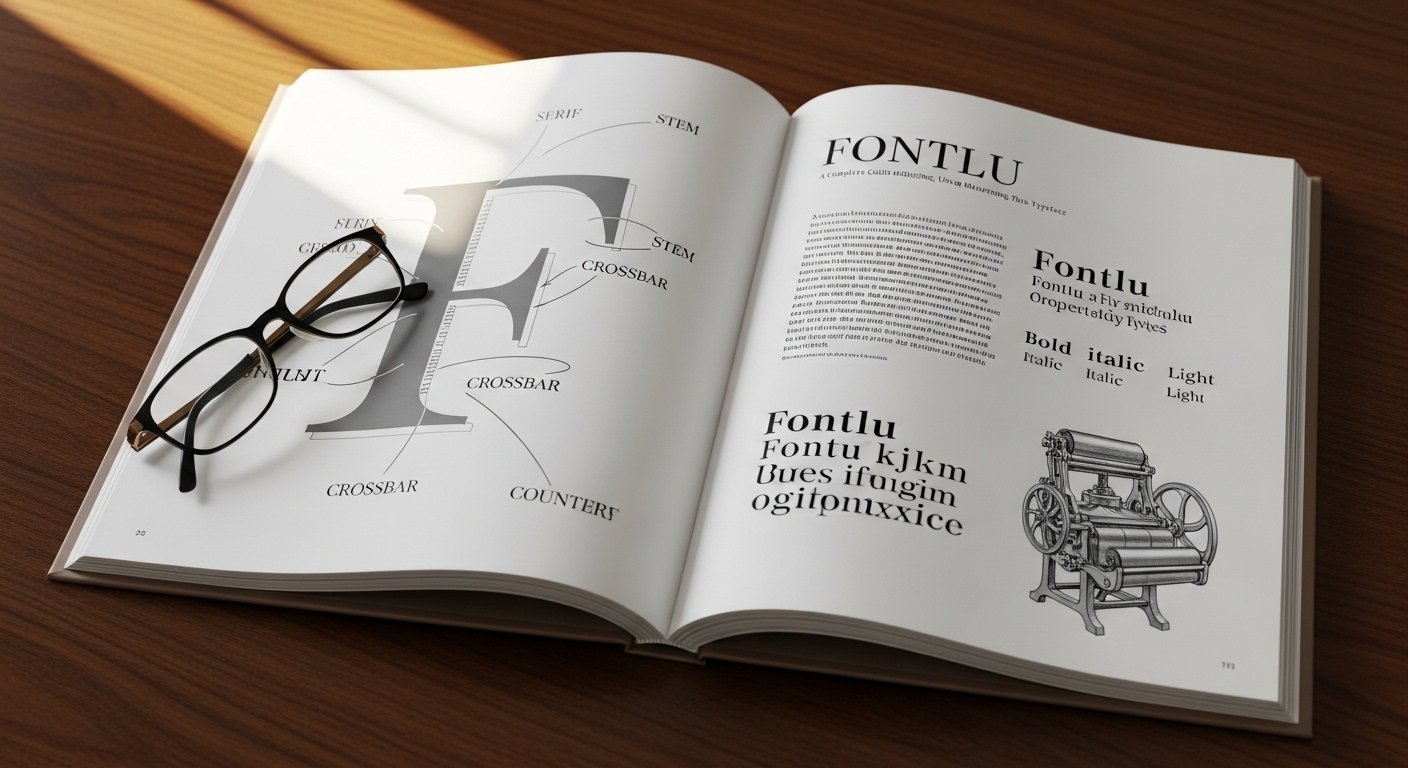
In the world of digital design, typography is one of the most critical elements that determine the overall look, feel, and effectiveness of any visual content. Among the wide array of fonts available, Fontlu has emerged as a popular choice for designers, content creators, and branding experts due to its versatility, aesthetic appeal, and readability. Whether you are creating a website, designing a logo, or developing marketing materials, Fontlu offers unique characteristics that make it stand out from the crowd.
This comprehensive guide explores everything you need to know about Fontlu—from its history and design features to practical uses, pairing tips, and modern applications. By the end of this article, you will have a complete understanding of Fontlu and how to incorporate it effectively into your projects.
What is Fontlu?
Fontlu is a typeface known for its clean lines, modern structure, and versatile design. It is widely appreciated for balancing readability with a contemporary aesthetic, making it suitable for both digital and print media. Fontlu is often used in branding, advertising, editorial design, and web development, thanks to its professional yet approachable look.
Read: Unsplash Guide
Key Features of Fontlu
- Versatility: Works well for headings, body text, and creative projects
- Readability: Clear letterforms enhance legibility even at smaller sizes
- Aesthetic Appeal: Modern and stylish design that complements various visual themes
- Compatibility: Works seamlessly across different platforms, from web to print
These features make Fontlu a go-to choice for designers looking for a typeface that is both functional and visually striking.
History of Fontlu
Fontlu was developed in the early 2010s by a group of typographers seeking to create a modern, clean font that could cater to both professional and creative applications. Inspired by contemporary sans-serif fonts, Fontlu was designed with a focus on readability, minimalism, and versatility.
Over the years, Fontlu has gained popularity in the design community due to its adaptability and ease of use. Designers, marketers, and publishers have embraced it for projects ranging from corporate branding to personal blogs, demonstrating the font’s universal appeal.
Design Characteristics
Fontlu exhibits several design characteristics that make it unique:
- Letterforms
Fontlu features geometric and balanced letterforms, giving it a modern, clean look. Rounded corners combined with straight lines provide a sense of approachability while maintaining professionalism. - Weight Variations
Fontlu comes in multiple weights, such as light, regular, medium, and bold. This range allows designers to create hierarchy and emphasis within their content easily. - Spacing and Kerning
Proper spacing and kerning make Fontlu highly readable. The spacing between letters ensures that text appears clean and uncluttered, even in dense paragraphs. - Versatile Characters
Fontlu includes numerals, punctuation marks, and special characters, making it suitable for both text-heavy content and creative design projects.
Uses of Fontlu
Fontlu’s versatility allows it to be used across a wide range of applications:
1. Branding and Logos
Fontlu is ideal for creating brand identities due to its modern and professional appearance. Businesses often use Fontlu in logos, business cards, and promotional materials to convey clarity, trustworthiness, and sophistication.
2. Web Design
On websites, Fontlu improves readability and aesthetics. It works well for headers, menus, and body text, ensuring that users have a pleasant reading experience across devices.
3. Print Media
Fontlu is equally effective in print media, including magazines, brochures, and flyers. Its clean lines and clear letterforms make printed content appear polished and professional.
4. Social Media Graphics
Designers frequently use Fontlu for social media posts, infographics, and digital advertisements. Its modern style enhances visual appeal and draws attention without overshadowing content.
5. Presentations and Reports
In professional presentations or reports, Fontlu ensures clarity and sophistication, helping convey information effectively while maintaining visual appeal.
Pairing Fontlu with Other Fonts
One of the advantages of Fontlu is how well it pairs with other typefaces. Combining Fontlu with complementary fonts can create visually engaging designs:
- Serif Fonts
Pairing Fontlu with classic serif fonts like Times New Roman or Georgia can create a balanced contrast between modern and traditional elements. - Script Fonts
Combining Fontlu with a decorative script font can add elegance to invitations, headings, or creative projects. - Other Sans-Serif Fonts
Pairing Fontlu with other sans-serif fonts can create a minimalist and cohesive look, suitable for tech or modern brands.
Tips for Using Fontlu Effectively
- Maintain Readability
Use appropriate font sizes and spacing, especially for body text, to ensure readability across all platforms. - Hierarchy and Emphasis
Utilize Fontlu’s weight variations to create hierarchy, emphasizing headings, subheadings, and important text. - Consistent Use
Avoid mixing too many fonts in one design. Use Fontlu consistently to maintain a cohesive visual style. - Color Contrast
Ensure sufficient contrast between Fontlu text and the background to enhance visibility and accessibility. - Responsive Design
When using Fontlu on websites, make sure it remains legible across different screen sizes and devices.
Advantages of Fontlu
- Modern and Professional: Suitable for a variety of projects
- High Readability: Easy to read in both digital and print media
- Versatile: Works for branding, design, and content creation
- Multiple Weights: Offers flexibility in design hierarchy
- Cross-Platform Compatibility: Looks great on all devices and mediums
Common Mistakes When Using Fontlu
- Overusing Bold Weights
Using bold excessively can reduce clarity and make designs look cluttered. - Ignoring Spacing
Proper kerning and line spacing are essential for readability; neglecting them can make text appear cramped. - Poor Color Choices
Using colors with low contrast can make Fontlu text hard to read. - Mixing Too Many Fonts
Combining Fontlu with too many other fonts can create visual chaos; stick to one or two complementary typefaces.
Fontlu in Modern Design Trends
As digital design continues to evolve, Fontlu fits seamlessly with current trends:
- Minimalist Design: Its clean and modern look complements minimalistic layouts.
- Flat Design: Fontlu pairs well with flat design elements, maintaining clarity and elegance.
- Responsive Typography: Optimized for web and mobile readability.
- Brand Consistency: Helps businesses maintain a professional and cohesive visual identity.
Fontlu in Branding Examples
- Corporate Branding
Companies use Fontlu for clean, professional logos and marketing materials, enhancing credibility. - Creative Agencies
Fontlu is popular in creative portfolios and advertising campaigns for its modern aesthetic. - Digital Platforms
Blogs, websites, and apps often utilize Fontlu for headers and body text to maintain clarity and appeal.
How to Get Fontlu
Fontlu is available through various font repositories and can be licensed for personal or commercial use. Designers should ensure proper licensing before use in commercial projects. Popular platforms include:
- Font marketplaces
- Design software libraries
- Official Fontlu website (if available)
Conclusion
Fontlu is a modern, versatile, and highly readable typeface suitable for a wide range of applications—from branding and web design to print media and social graphics. Its clean lines, weight variations, and professional aesthetic make it an essential tool for designers, marketers, and content creators.
By understanding Fontlu’s features, uses, and best practices, you can leverage this typeface to enhance your projects, maintain a cohesive visual style, and engage your audience effectively. Whether you are designing a website, creating marketing materials, or developing a brand identity, Fontlu provides the flexibility, clarity, and modern appeal needed for impactful design.
Embrace the power of Fontlu and elevate your design projects with a typeface that combines style, readability, and versatility.


- Blog10 months ago
El verdadero significado de Honrar a Dios según la Biblia
- Blog10 months ago
¡Entérate qué es un anatema según la Biblia!
- Blog10 months ago
Qué simboliza el color naranja en la Biblia?
- Blog10 months ago
Qué significa ver un colibrí: leyendas y simbolismos
- Blog10 months ago
Descubre el significado bíblico de la ignominia
- Blog10 months ago
Descubre que significa «sabiduría» según la Biblia y cómo aplicarla en tu vida

 Entertainment8 months ago
هنتاوي.com: Discover Trending Arabic Content Online
- Blog10 months ago
El término cielo en la biblia católica: su profundo significado