Technology
Automatic Power Reduction Technologies: Innovations Shaping the Future of Energy Management


As the world moves towards a more sustainable future, energy management has become crucial. Automatic power reduction technologies are at the forefront of this transformation. These innovations hold immense potential to reshape how we consume and conserve electricity. With rising demand for energy efficiency, understanding these advancements is essential for industries and consumers alike. Let’s dive into how automatic power reduction can revolutionize our approach to energy management and ensure a greener tomorrow.
Automatic power reduction technologies are revolutionizing energy management. They offer innovative solutions to reduce consumption while maintaining efficiency. This shift is critical as global energy needs continue to escalate.
The blog will explore various facets of these technologies, from their definitions and functionalities to specific innovations like WO2016000351A1. It will also cover the significance of power system reduction across industries and how software tools can enhance overall performance in energy management strategies.
Introduction
The quest for energy efficiency has never been more critical. As global demand rises, innovative solutions emerge to help manage power consumption effectively. Automatic Power Reduction (APR) technologies are at the forefront of this movement.
These advancements play a vital role in reducing unnecessary energy usage while maintaining system reliability. With ongoing innovations, APR promises to reshape how industries approach energy management and sustainability. Embracing these technologies is essential for a greener future and smarter resource allocation.
Automatic Power Reduction (APR) Technologies in Energy Management
Automatic Power Reduction (APR) technologies play a pivotal role in modern energy management. They intelligently adjust power consumption based on real-time needs, optimizing efficiency and reducing waste.
These systems are designed to manage electrical loads dynamically, ensuring that energy usage aligns with operational demands. By employing advanced algorithms, APR helps organizations save costs while minimizing their environmental impact. This innovation is essential for businesses seeking sustainable practices and enhanced energy performance.
Innovation in Energy Protection Devices
Energy protection devices are evolving rapidly, driven by the need for sustainable solutions. These innovations enhance safety and reliability in power systems, ensuring that energy flows efficiently while minimizing risks.
Advanced technologies like smart circuit breakers and surge protectors are now integrated with automatic power reduction capabilities. This integration not only safeguards equipment but optimizes energy usage during peak times. As a result, industries can operate more effectively while reducing their environmental footprint.
Overview of WO2016000351A1
WO2016000351A1 represents a pivotal innovation in automatic power reduction technologies. This patent outlines advanced methods for efficiently managing energy across various systems, emphasizing safety and reliability.
The document details mechanisms that allow for adaptive responses to changing energy demands. By utilizing intelligent algorithms, it ensures optimal performance while minimizing waste. These features position WO2016000351A1 as a key player in the realm of energy management innovations, setting new standards for efficiency and sustainability.
Significance of Power System Reduction
Power system reduction plays a vital role in enhancing energy efficiency. By minimizing unnecessary power consumption, it reduces operational costs and lowers environmental impact. This approach is essential for industries looking to meet sustainability targets.
Moreover, effective power reduction contributes to grid stability. It prevents overloads during peak times, ensuring reliable service for consumers. As energy demands increase globally, the significance of implementing these technologies cannot be overstated.
Implementations in Optical Network Safety
Automatic power reduction technologies play a crucial role in enhancing optical network safety. By intelligently managing power levels, these systems prevent potential overloads that could compromise network integrity.
Additionally, they enable quick responses to fluctuations in demand. This ensures consistent performance while minimizing risks associated with power surges. Consequently, networks become more resilient and reliable, supporting the growing need for seamless connectivity in our increasingly digital world.
Understanding Automatic Power Reduction
Automatic Power Reduction (APR) refers to technologies designed to automatically decrease energy consumption during peak load times. These systems help maintain a balance in power supply and demand, minimizing waste and reducing operational costs.
At its core, APR works by detecting changes in energy usage patterns. It then adjusts power levels without compromising performance. This innovative approach not only enhances efficiency but also contributes significantly to sustainable energy management practices across various sectors.
Definition and Functionality
Automatic power reduction refers to technologies designed to minimize energy consumption without sacrificing performance. These systems intelligently assess real-time energy use and make adjustments as needed, ensuring efficiency.
Functionality lies in their ability to monitor various parameters, such as load and demand. By dynamically regulating power levels, they help reduce waste and enhance overall system reliability. This innovation plays a vital role in modern energy management strategies across industries.
Comparison with Automatic Power Control (APC)
Automatic Power Reduction (APR) and Automatic Power Control (APC) are both essential in optimizing energy use, yet they serve different purposes. While APR focuses on minimizing power consumption during non-peak times, APC actively adjusts power levels to maintain system stability.
The operational approach differs as well; APR uses algorithms to reduce output without compromising performance. Conversely, APC frequently monitors and modifies energy supply based on real-time demand. Both play vital roles in enhancing energy efficiency but target unique aspects of power management.
Operational Logic and Safety Features
Operational logic in automatic power reduction systems revolves around real-time monitoring and adaptive responses. These systems assess energy consumption patterns and adjust power levels accordingly, ensuring efficiency while maintaining functionality.
Safety features are paramount in these technologies. Integrated safeguards prevent overloads and potential equipment damage by automatically shutting down non-essential functions during peak demands. This proactive approach not only protects infrastructure but also enhances the reliability of energy management solutions across various applications.
Evolution of Power Reduction Techniques
Power reduction techniques have evolved significantly over the years. Early methods focused on simple manual adjustments, often leading to inefficiencies and higher costs. As technology advanced, automated systems began taking shape, allowing for real-time monitoring and adjustments.
Today’s techniques incorporate sophisticated algorithms that analyze energy consumption patterns. This shift towards dynamic power management not only optimizes performance but also enhances sustainability initiatives across various sectors. The evolution illustrates a clear trajectory toward smarter energy solutions tailored for modern demands.
Static vs. Dynamic Reduction Methods
Static reduction methods involve predefined settings that limit power consumption at all times. These fixed thresholds are easy to implement and offer consistent performance across various applications. However, they may not adapt well to fluctuating energy demands.
Dynamic reduction methods, on the other hand, adjust power levels in real time based on current conditions. This flexibility allows for optimized energy use during peak and off-peak hours, enhancing overall efficiency while minimizing waste. The adaptability makes them increasingly popular in modern systems.
Applications in Various Industries
Automatic power reduction technologies are transforming industries. In manufacturing, they optimize energy consumption, reducing costs while maintaining productivity. Facilities can adjust power based on real-time demands.
In telecommunications, these technologies protect sensitive equipment from overloads and enhance network reliability. They ensure that signals remain clear and consistent while minimizing energy waste across vast optical networks. The versatility of automatic power reduction is making a significant impact in diverse sectors, showcasing its essential role in modern energy management strategies.
Software Tools for Enhanced Power System Management
Software tools are transforming how we manage power systems. They provide real-time data analytics, enabling operators to monitor energy consumption and implement automatic power reduction strategies effectively.
These innovative solutions streamline processes and improve decision-making. By integrating machine learning algorithms, they can predict energy demand fluctuations, enhancing efficiency while minimizing waste. This technology is paving the way for smarter energy management in various sectors.
Future Trends in Energy Management
The future of energy management is set to embrace cutting-edge technologies that enable smarter resource allocation. With the rise of IoT devices, real-time data analytics will empower businesses to optimize their energy usage like never before.
Moreover, renewable energy integration and decentralized power systems are becoming increasingly vital. These innovations promise enhanced sustainability and efficiency, paving the way for a greener tomorrow in how we consume and manage energy resources effectively.
Impact on Energy Efficiency
Automatic power reduction plays a pivotal role in enhancing energy efficiency across various sectors. By intelligently managing consumption, these technologies minimize waste and optimize operational costs.
As organizations adopt APR solutions, they not only reduce their carbon footprints but also improve overall system reliability. This shift fosters a more sustainable future while meeting growing energy demands effectively. The integration of such innovations leads to smarter resource utilization and sets the stage for advanced energy management practices.
Advancements and Potential Developments
Recent advancements in automatic power reduction technologies are paving the way for smarter energy management systems. Innovations such as AI-driven algorithms and IoT integration enable real-time data analysis, optimizing energy consumption across various sectors.
Future developments may focus on enhancing predictive capabilities, allowing systems to anticipate demand fluctuations better. This could lead to even greater efficiency and sustainability in energy usage while reducing costs significantly. The potential is vast as industries embrace these transformative technologies.
Conclusion
The advances in automatic power reduction technologies are paving the way for a more efficient energy management landscape. As industries continue to adopt these innovations, we can expect significant improvements in energy efficiency and sustainability. With ongoing research and development, the future holds even greater potential for integrating smart solutions into our daily operations. Embracing these changes not only enhances performance but also contributes positively to our environment. The journey toward optimized energy usage is just beginning, and it promises exciting developments ahead.
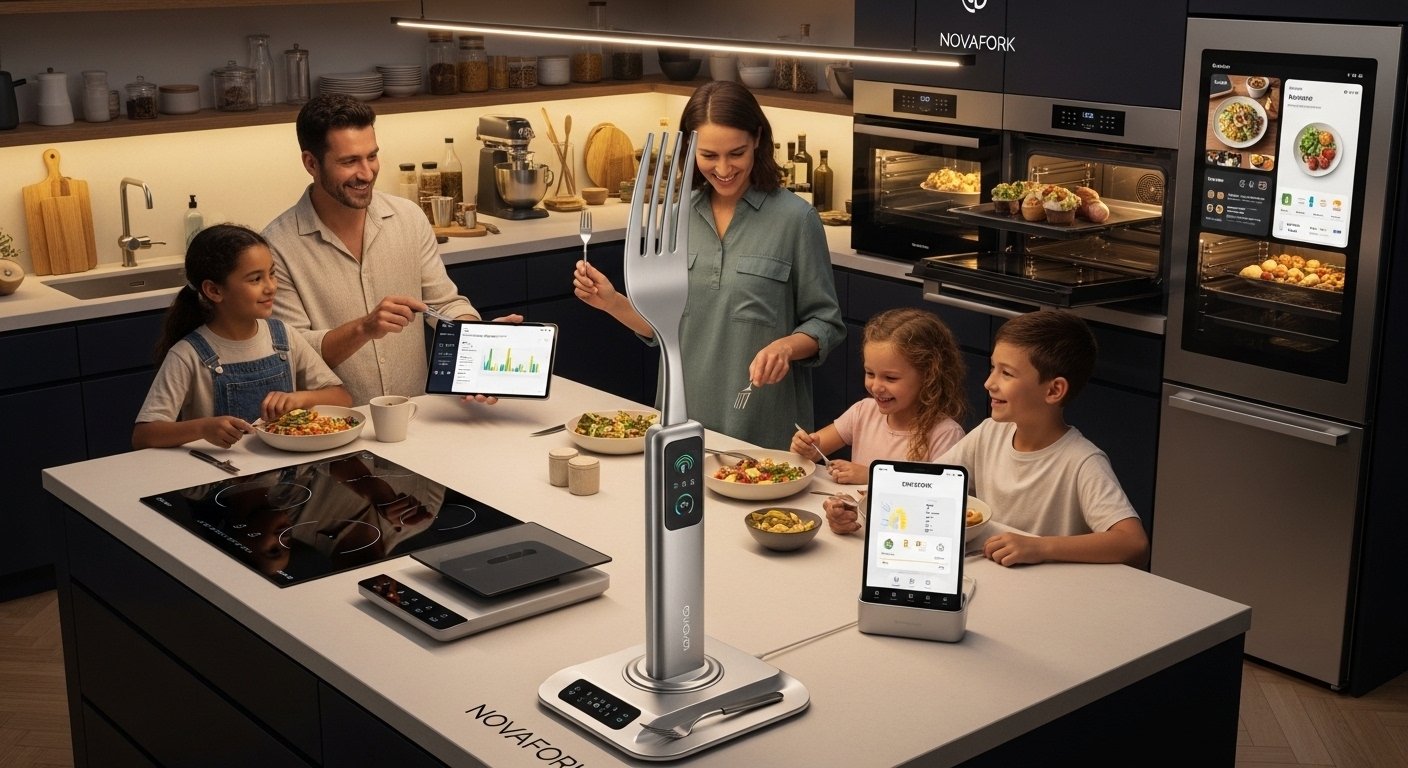
In the modern era, the fusion of technology with everyday living has transformed industries across the globe. Among these innovations, Novafork is emerging as a groundbreaking concept in smart kitchen technology. Designed to simplify cooking, enhance safety, and deliver precision in meal preparation, Novafork is more than just a kitchen tool—it is a paradigm shift in how we approach cooking, nutrition, and food science.
This comprehensive article explores Novafork, its technology, applications, benefits, and how it is poised to redefine culinary experiences both at home and in professional kitchens.
What Is Novafork?
At its core, Novafork is a smart, AI-integrated kitchen utensil designed to make cooking easier, more accurate, and interactive. Unlike traditional forks or conventional kitchen tools, Novafork leverages advanced sensors, machine learning, and connectivity to assist users in real time.
Read: Zosqk
Some defining features of Novafork include:
- Smart Sensors: Detect temperature, texture, and doneness of food.
- Real-Time Feedback: Provides guidance on optimal cooking times and portion sizes.
- Nutritional Analysis: Offers insights into calories, macronutrients, and micronutrients.
- Connectivity: Syncs with apps or smart kitchen devices to track meals and recipes.
- User-Friendly Design: Ergonomic and easy to clean, combining technology with practical design.
In essence, Novafork merges the worlds of culinary expertise and technology to provide a personalized cooking experience.
The Origins of Novafork
Novafork is a product of a growing trend toward smart kitchen appliances. Historically, kitchen technology has evolved from basic utensils to more complex devices:
- Traditional Cooking Tools: Simple, manual utensils like knives, spoons, and forks formed the foundation of home cooking.
- Appliance Revolution: The introduction of blenders, microwaves, and ovens improved efficiency and convenience.
- Smart Kitchen Era: IoT-enabled devices, app-integrated appliances, and AI tools paved the way for intelligent cooking solutions.
Novafork represents the next evolution: a seamless blend of artificial intelligence, sensor technology, and culinary science designed to make cooking precise, personalized, and efficient.
Key Features of Novafork
Understanding Novafork’s key features can help grasp its transformative potential:
1. Precision Cooking
Novafork’s smart sensors measure heat, texture, and internal doneness, providing real-time feedback to avoid overcooked or undercooked meals. This precision is particularly useful for dishes like steak, fish, or delicate pastries.
2. Nutritional Guidance
With health-conscious living becoming more prevalent, Novafork’s built-in nutritional analysis allows users to track calorie intake, protein, fat, and carbohydrates. It can even suggest healthier alternatives or portion adjustments.
3. Smart Connectivity
Novafork integrates with smartphones and smart kitchen ecosystems, allowing users to log meals, receive recipe recommendations, and monitor cooking remotely.
4. Adaptive Learning
AI algorithms enable Novafork to learn your preferences over time. For instance, it remembers ideal cooking times, preferred seasoning levels, and meal types to personalize suggestions for future use.
5. Safety Features
From alerting users about dangerously high temperatures to reducing risk of cross-contamination, Novafork emphasizes safety in both home and professional kitchens.
Applications of Novafork
Novafork’s versatility makes it suitable for various contexts:
1. Home Kitchens
Busy individuals or families benefit from Novafork’s precision and nutritional guidance, enabling healthy, well-cooked meals with minimal effort. Even beginner cooks can create professional-level dishes.
2. Professional Chefs
In restaurants or culinary schools, Novafork aids chefs in maintaining consistency, improving food quality, and optimizing preparation times. Real-time feedback ensures perfect doneness across multiple orders.
3. Health and Fitness Enthusiasts
Athletes and fitness-conscious individuals can monitor macronutrients and portion sizes, allowing them to align meals with dietary goals without guesswork.
4. Cooking Education
Culinary students or enthusiasts can leverage Novafork as a learning tool, gaining insights into cooking techniques, temperature management, and ingredient interactions.
Benefits of Using Novafork
Adopting Novafork offers numerous advantages:
Enhanced Cooking Accuracy
Real-time feedback ensures meals are cooked to perfection, reducing errors and improving consistency.
Health-Conscious Meals
Nutritional tracking helps users maintain balanced diets and make informed decisions about food intake.
Time Efficiency
By guiding users through the cooking process, Novafork reduces guesswork and speeds up meal preparation.
User Empowerment
Novafork educates users on cooking techniques, creating confident and skilled cooks over time.
Reduced Food Waste
Precision in cooking and portion control reduces waste from overcooked or leftover meals.
How Novafork Works
Novafork combines hardware and software integration to deliver its smart features:
- Sensors: Embedded sensors measure temperature, moisture, and food texture.
- Data Processing: AI algorithms analyze real-time data and cross-reference it with stored cooking profiles.
- User Feedback: Visual or app-based notifications guide the cook on when to flip, stir, or adjust cooking times.
- Learning System: Novafork continuously updates its recommendations based on user preferences and outcomes.
This synergy of technology ensures a seamless cooking experience, even for complex recipes.
Challenges in Adopting Novafork
Despite its advantages, there are challenges to consider:
- High Initial Cost: Smart technology may be more expensive than traditional utensils.
- Learning Curve: Users must adapt to AI-guided cooking methods.
- Tech Dependence: Over-reliance on Novafork may affect intuitive cooking skills.
- Connectivity Requirements: Some features depend on stable internet or app integration.
However, early adopters find that benefits outweigh these challenges, especially in health, precision, and time savings.
The Future of Novafork
Novafork is part of a larger movement toward smart kitchens and AI-assisted cooking. Future developments may include:
- Voice-activated controls for hands-free operation.
- Integration with smart ovens, refrigerators, and meal planners.
- Expanded nutritional databases for specialized diets like keto, vegan, or gluten-free.
- Augmented reality (AR) features for interactive cooking tutorials.
As technology advances, Novafork has the potential to become a staple in every modern kitchen, bridging the gap between tradition and innovation.
Real-World Examples of Novafork in Action
Several early adopters showcase Novafork’s potential:
- Home cooks report fewer overcooked meals and more balanced nutrition.
- Restaurants use Novafork to maintain consistency across multiple chefs and shifts.
- Fitness communities leverage its tracking features to align meals with dietary goals.
- Culinary schools integrate Novafork into training modules for precise skill development.
These examples highlight how Novafork enhances productivity, education, and culinary enjoyment simultaneously.
Why Novafork Matters Today
Modern lifestyles demand efficiency, health consciousness, and convenience. Traditional cooking methods can fall short in meeting these needs, often relying on guesswork and experience.
Novafork addresses these challenges by combining:
- Precision with Simplicity
- Health with Flavor
- Technology with Culinary Tradition
This balance makes Novafork an essential tool for anyone seeking to elevate their cooking experience while embracing modern technology.
Conclusion
Novafork is more than a high-tech utensil; it is a transformative approach to modern cooking. By integrating AI, real-time feedback, nutritional tracking, and ergonomic design, Novafork provides a roadmap for precision, health, and convenience in the kitchen.
From home chefs to professional kitchens, Novafork empowers users to cook with confidence, enjoy balanced meals, and explore culinary creativity. As technology continues to evolve, Novafork is poised to redefine how we approach food preparation, nutrition, and kitchen innovation.
Embracing Novafork is not just about adopting a tool—it’s about embracing a smarter, healthier, and more efficient way of cooking for the modern world.

In the ever-evolving digital landscape, innovation is the key to standing out and staying ahead. One such emerging platform making waves in technology circles is Zosqk. Designed to cater to businesses, developers, and individual users alike, Zosqk is redefining how digital solutions are accessed, implemented, and scaled. From simplifying workflows to providing cutting-edge tools, this platform promises to be a game-changer for a wide range of applications.
Whether you’re looking to enhance productivity, streamline complex processes, or leverage new technologies, understanding Zosqk is essential for anyone operating in today’s fast-paced digital world. In this article, we’ll dive deep into the concept of Zosqk, explore its features, benefits, potential use cases, and examine how it could shape the future of digital experiences.
What Is Zosqk?
Zosqk is a modern digital platform designed to integrate technology solutions seamlessly into business and personal workflows. At its core, Zosqk combines elements of software automation, data management, and user-friendly interfaces to provide a holistic environment where users can access a variety of digital tools. The platform is built with flexibility in mind, allowing users to adapt it to their specific needs without extensive technical expertise.
Read: time warp taskus
The name “Zosqk” symbolizes innovation and versatility, reflecting the platform’s mission to simplify complex digital processes while delivering measurable results. Whether you are a small business, an enterprise, or a freelance developer, Zosqk aims to provide tools that are accessible, scalable, and effective.
Key Features of Zosqk
Zosqk sets itself apart by offering a range of features that cater to modern digital demands. These features are designed to enhance productivity, simplify operations, and provide a platform for innovation.
- Modular Architecture
Zosqk is built on a modular framework, allowing users to select and integrate specific tools according to their needs. This approach ensures that the platform is lightweight, customizable, and scalable. Users can add new modules as their requirements grow without overhauling the entire system. - User-Friendly Interface
One of Zosqk’s standout features is its intuitive interface. Designed for both technical and non-technical users, the platform ensures that navigating complex workflows and accessing various tools is simple and straightforward. This reduces the learning curve and enhances adoption rates. - Automation Capabilities
Automation is at the heart of Zosqk. The platform enables users to streamline repetitive tasks, schedule processes, and create automated workflows that improve efficiency. Whether it’s data entry, report generation, or notifications, automation ensures tasks are completed faster and with minimal human error. - Data Integration and Management
Zosqk allows seamless integration with existing systems and data sources. Users can centralize information from multiple platforms, making it easier to analyze data, generate insights, and make informed decisions. The platform also supports secure storage and management of sensitive information. - Collaboration Tools
Collaboration is essential in modern digital workflows, and Zosqk provides tools that facilitate team interaction. Shared workspaces, real-time updates, and messaging features ensure that teams stay connected, aligned, and productive, regardless of physical location. - Security and Compliance
Security is a top priority for Zosqk. The platform incorporates robust encryption, access control, and monitoring to protect sensitive information. Additionally, it supports compliance with major data protection regulations, making it suitable for industries where data security is critical.
Benefits of Using Zosqk
Adopting Zosqk can provide significant advantages for businesses, developers, and individual users. Here are some of the key benefits:
- Increased Efficiency
By automating routine processes and centralizing tools in one platform, Zosqk helps users save time and reduce operational inefficiencies. - Scalability
The modular nature of Zosqk ensures that the platform can grow alongside your organization. Additional modules and integrations can be added without disrupting existing workflows. - Enhanced Collaboration
With built-in collaboration features, Zosqk encourages teamwork and communication, making it easier to manage projects and share information across teams. - Improved Decision-Making
Centralized data management and analytics capabilities provide actionable insights, helping organizations make informed decisions faster. - Cost-Effectiveness
By consolidating multiple tools and automating tasks, Zosqk reduces the need for multiple software licenses and manual labor, saving costs in the long term.
Potential Use Cases of Zosqk
Zosqk’s versatility allows it to be applied in a wide range of industries and scenarios. Here are a few examples:
- Business Process Automation
Companies can use Zosqk to automate repetitive tasks, such as invoice processing, customer follow-ups, and data entry, improving overall operational efficiency. - Project Management
Teams can leverage Zosqk’s collaboration tools to track projects, manage deadlines, and assign tasks, ensuring projects stay on schedule. - Data Analytics and Reporting
Zosqk can consolidate data from various sources, allowing organizations to generate comprehensive reports and gain insights to guide strategic decisions. - Customer Relationship Management (CRM)
Businesses can integrate Zosqk with CRM systems to enhance customer engagement, track interactions, and improve client relationships. - Software Development
Developers can use Zosqk to manage code repositories, automate testing, and monitor deployment pipelines efficiently.
Comparison with Other Platforms
While there are numerous platforms in the market, Zosqk distinguishes itself in several ways:
- Customization: Unlike some rigid platforms, Zosqk’s modular structure allows users to tailor the platform to their specific needs.
- Integration: Seamless connectivity with multiple systems reduces the need for separate tools.
- User Experience: The intuitive interface ensures ease of use for both technical and non-technical users.
- Cost Efficiency: Consolidating multiple functionalities in one platform reduces expenses compared to using multiple standalone tools.
Challenges and Considerations
Despite its advantages, users should be aware of potential challenges when adopting Zosqk:
- Learning Curve for Complex Modules
Some advanced features may require training or technical expertise. - System Dependencies
Integration with existing software may require careful planning to avoid conflicts. - Data Security Management
While Zosqk is secure, organizations must ensure proper user access and monitor activities to prevent breaches. - Ongoing Maintenance
Regular updates and maintenance are necessary to keep the platform functioning optimally.
Tips for Maximizing Zosqk
To get the most out of Zosqk, consider these best practices:
- Start Small: Begin with essential modules and gradually expand as needs grow.
- Training: Provide team members with proper guidance to use advanced features effectively.
- Monitor Performance: Regularly track workflows and adjust automation rules for optimal efficiency.
- Leverage Integrations: Connect Zosqk with existing software to create a seamless digital ecosystem.
- Prioritize Security: Implement strong password policies and role-based access controls.
The Future of Zosqk
The digital landscape is constantly evolving, and Zosqk is well-positioned to adapt to emerging trends. With developments in AI, cloud computing, and IoT, the platform is expected to integrate more advanced features that further enhance automation, analytics, and decision-making capabilities.
As businesses increasingly demand flexible, scalable, and efficient digital tools, Zosqk’s modular and adaptive approach will make it a vital asset for organizations seeking to innovate without being constrained by traditional systems.
Conclusion
Zosqk represents a significant step forward in how digital tools and platforms can be structured and utilized. By combining modularity, automation, data management, and user-friendly design, it provides a versatile solution for businesses, developers, and individual users.
Whether your goal is to improve operational efficiency, enhance collaboration, or gain actionable insights from data, Zosqk offers the flexibility and power to achieve it. As digital demands continue to grow, platforms like Zosqk will play a crucial role in shaping the future of business and technology, ensuring users stay ahead in an increasingly competitive environment.
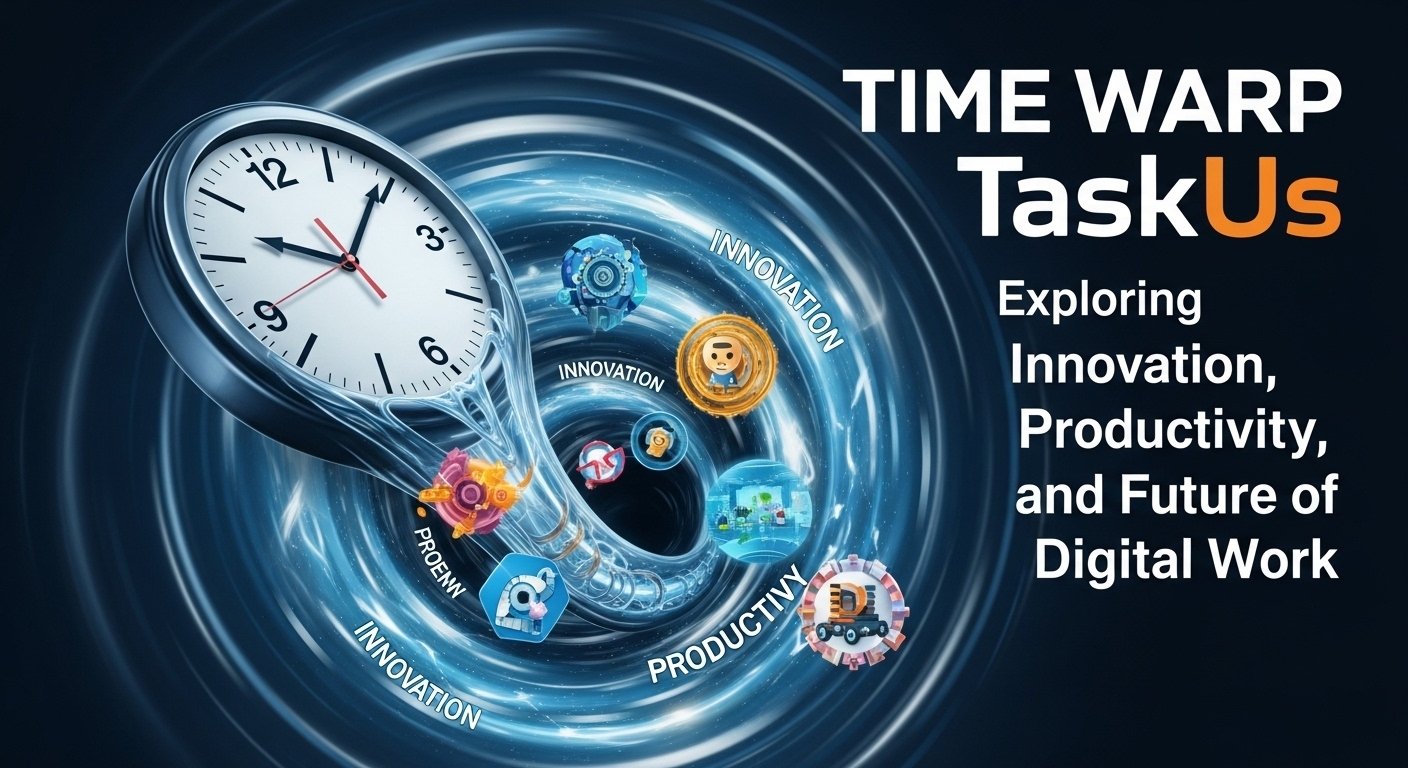
In today’s rapidly evolving digital landscape, new concepts and terminologies continue to emerge, shaping how individuals and organizations approach work, productivity, and innovation. One such intriguing phrase is time warp taskus. While it may initially sound abstract or futuristic, time warp taskus represents a powerful idea centered around efficiency, transformation, and the optimization of time in modern workflows.
As businesses increasingly rely on digital systems, remote work environments, and advanced technologies, concepts like time warp taskus offer a fresh perspective on how time, tasks, and performance can be reimagined. This article explores the meaning, applications, benefits, and future potential of time warp taskus in depth.
Understanding the Concept of time warp taskus
At its core, It can be interpreted as a conceptual framework that combines time management with task optimization. The phrase suggests the idea of a “time warp,” where processes are accelerated, streamlined, or transformed to achieve better results in less time.
Read: Pasonet
Rather than simply working faster, time warp taskus emphasizes:
- Smarter workflows
- Strategic prioritization
- Integration of tools and systems
- Minimization of inefficiencies
It represents a shift from traditional time management toward a more dynamic, technology-driven approach to productivity.
The Evolution of Time Management in the Digital Era
To fully understand time warp taskus, it is important to consider how time management has evolved.
From Manual to Digital Systems
In the past, productivity relied heavily on manual processes such as paper schedules, physical meetings, and linear workflows. These methods were often time-consuming and prone to delays.
With the rise of digital tools, organizations now use:
- Project management software
- Cloud-based collaboration platforms
- Automation systems
These advancements have laid the foundation for concepts like time warp taskus, where time is optimized through intelligent systems.
The Need for Speed and Efficiency
Modern businesses operate in highly competitive environments where speed is crucial. Delays can result in missed opportunities, reduced customer satisfaction, and lower profitability.
Time warp taskus addresses this challenge by promoting:
- Faster decision-making
- Real-time collaboration
- Continuous workflow improvement
Core Principles of time warp taskus
The concept of time warp taskus is built on several key principles that define its application.
- Task Optimization
Instead of focusing solely on time, this approach prioritizes optimizing tasks themselves. This includes:
- Breaking complex tasks into smaller steps
- Eliminating redundant processes
- Using automation where possible
- Time Compression
Time warp taskus emphasizes completing tasks more efficiently without compromising quality. This is achieved through:
- Smart scheduling
- Parallel processing of tasks
- Leveraging technology
- Integration and Connectivity
Modern workflows often involve multiple tools and platforms. Time warp taskus promotes seamless integration between systems to avoid delays and data silos.
- Adaptability
Flexibility is essential. The concept encourages adapting to changing circumstances, ensuring workflows remain efficient even in dynamic environments.
Applications of time warp taskus in Modern Workspaces
The principles of time warp taskus can be applied across various domains.
Business Operations
Organizations can use time warp taskus to improve efficiency in daily operations by:
- Automating repetitive tasks
- Streamlining communication channels
- Reducing turnaround time for projects
This leads to improved productivity and better resource utilization.
Remote Work Environments
With the rise of remote work, managing time and tasks effectively has become more challenging. Time warp taskus helps by:
- Enabling asynchronous collaboration
- Reducing dependency on real-time meetings
- Encouraging outcome-based work rather than time-based tracking
Project Management
Project managers can apply this concept to:
- Optimize timelines
- Identify bottlenecks early
- Allocate resources more effectively
This ensures projects are completed on time and within budget.
Personal Productivity
Individuals can benefit from time warp taskus by:
- Prioritizing high-impact tasks
- Avoiding distractions
- Using productivity tools to stay organized
Role of Technology in time warp taskus
Technology plays a central role in enabling the principles of time warp taskus.
Automation Tools
Automation reduces manual effort and speeds up processes. Examples include:
- Automated email responses
- Workflow automation systems
- Task scheduling tools
Artificial Intelligence
AI enhances decision-making and efficiency by:
- Predicting task durations
- Recommending optimal workflows
- Analyzing productivity patterns
Cloud Computing
Cloud platforms enable:
- Real-time collaboration
- Access to data from anywhere
- Seamless integration between tools
These technologies collectively create the conditions necessary for time warp taskus to thrive.
Benefits of Implementing time warp taskus
Adopting the principles of time warp taskus offers numerous advantages.
Increased Productivity
By optimizing tasks and reducing inefficiencies, individuals and organizations can accomplish more in less time.
Improved Work-Life Balance
Efficient workflows reduce unnecessary workload, allowing individuals to maintain a healthier balance between work and personal life.
Enhanced Decision-Making
Faster access to information and streamlined processes enable quicker and more informed decisions.
Cost Efficiency
Reducing time wastage translates into lower operational costs and better use of resources.
Challenges and Limitations
While time warp taskus offers many benefits, it also comes with challenges.
Over-Reliance on Technology
Excessive dependence on tools and automation can lead to issues if systems fail or become outdated.
Learning Curve
Adopting new systems and workflows requires training and adaptation, which may initially slow down productivity.
Risk of Burnout
If not implemented carefully, the focus on efficiency may lead to increased pressure on individuals.
Data Privacy Concerns
Using multiple digital tools raises concerns about data security and privacy.
Strategies to Implement time warp taskus Effectively
To successfully adopt this concept, consider the following strategies:
- Identify Bottlenecks
Analyze current workflows to identify areas where time is wasted or processes are inefficient.
- Leverage the Right Tools
Choose tools that align with your needs and integrate well with existing systems.
- Focus on Prioritization
Not all tasks are equally important. Prioritize high-value tasks to maximize impact.
- Encourage Collaboration
Promote open communication and teamwork to improve efficiency.
- Continuously Evaluate
Regularly assess workflows and make improvements based on feedback and performance metrics.
Future Potential of time warp taskus
As technology continues to evolve, the relevance of time warp taskus is expected to grow.
Integration with AI and Machine Learning
Future systems may automatically optimize workflows based on real-time data, making time warp taskus even more effective.
Hyper-Automation
Advanced automation will further reduce manual intervention, enabling faster and more efficient processes.
Personalized Productivity Systems
Individuals may have customized productivity frameworks tailored to their habits and preferences.
Global Collaboration
With improved connectivity, teams across different time zones can work seamlessly, embodying the principles of time warp taskus.
time warp taskus as a Mindset
Beyond tools and systems, time warp taskus can also be seen as a mindset.
It encourages individuals to:
- Think strategically about time
- Focus on meaningful outcomes
- Embrace change and innovation
This mindset is essential for thriving in a fast-paced, ever-changing world.
Conclusion
It is more than just a phrase—it represents a modern approach to managing time, tasks, and productivity in an increasingly digital world. By combining efficiency, technology, and adaptability, it offers a framework for achieving better results with less effort.
Whether applied in business operations, remote work, project management, or personal productivity, time warp taskus provides valuable insights into how workflows can be optimized for success. While challenges exist, thoughtful implementation and continuous improvement can unlock its full potential.
As the future of work continues to evolve, concepts like It will play a crucial role in shaping how individuals and organizations navigate complexity, embrace innovation, and achieve sustainable growth.


- Blog9 months ago
El verdadero significado de Honrar a Dios según la Biblia
- Blog9 months ago
¡Entérate qué es un anatema según la Biblia!
- Blog9 months ago
Qué simboliza el color naranja en la Biblia?
- Blog9 months ago
Descubre el significado bíblico de la ignominia
- Blog9 months ago
Qué significa ver un colibrí: leyendas y simbolismos
- Blog9 months ago
Descubre que significa «sabiduría» según la Biblia y cómo aplicarla en tu vida

 Entertainment7 months ago
هنتاوي.com: Discover Trending Arabic Content Online
- Blog9 months ago
El término cielo en la biblia católica: su profundo significado