Blog
El significado bíblico de ‘Hosanna’: ¡Descúbrelo aquí!

Si eres una persona religiosa o simplemente estás interesado en la religión, seguramente has escuchado la palabra «Hosanna» en diferentes ocasiones. Pero, ¿sabes realmente lo que significa este término según la Biblia? En este artículo, vamos a explorar su significado y cómo ha sido utilizado en la historia religiosa.
El origen de la palabra «Hosanna»
Para entender su significado, es importante conocer el origen de la palabra. Hosanna proviene del hebreo הושענא, que literalmente significa «sálvanos, te rogamos», y es una combinación de dos palabras: «hoshiy’a» (salva) y «na» (por favor).
El uso de la palabra “Hosanna” en la Biblia
En la Biblia, la primera vez que aparece la palabra Hosanna es durante el episodio de la Entrada Triunfal de Jesús en Jerusalén (Mateo 21:9). Según los evangelios, cuando Jesús llegó a la ciudad, la multitud lo recibió con palmas y gritos de «¡Hosanna al Hijo de David! ¡Bendito el que viene en el nombre del Señor! ¡Hosanna en las alturas!». Esta escena se ha representado en pinturas y películas religiosas, y se celebra en el Domingo de Ramos.
Además, la palabra Hosanna se encuentra en el Antiguo Testamento, en el libro de los Salmos. En el Salmo 118:25, se encuentra la frase «¡Oh Señor, sálvanos! ¡Oh Señor, danos prosperidad!». Es interesante destacar que, en el evangelio según San Marcos, la multitud que recibió a Jesús en Jerusalén añade «¡Bendito el reino que viene, el reino de nuestro padre David! ¡Hosanna en las alturas!» (Marcos 11:10).
El significado de Hosanna según la Biblia
En la Biblia, Hosanna se interpreta como una súplica o ruego a Dios para que nos salve. Además, también se utiliza como expresión de alabanza al Señor por la esperanza de la salvación y la exaltación.
Es importante destacar que la palabra Hosanna no es simplemente una palabra de alabanza, sino una súplica de ayuda y esperanza que nos recuerda que necesitamos la salvación divina. En este sentido, el Hosanna nos conecta con nuestra humildad y nos hace recordar que no somos autosuficientes, y que necesitamos de Dios para ser salvados.
La importancia de Hosanna en la religión
El Hosanna es una palabra muy significativa en la religión cristiana, ya que nos recuerda la necesidad de humildad y ayuda divina. La palabra nos conecta con el pasado histórico del pueblo cristiano y nos recuerda la entrada triunfal de Jesús en Jerusalén, que marcó el inicio de la Semana Santa.
Además, como mencionamos anteriormente, la palabra Hosanna se encuentra en el libro de los Salmos, que es uno de los libros más antiguos de la Biblia. Esto nos muestra la importancia de la palabra en la historia bíblica y su relevancia en la religión.
Es común que en muchas iglesias se utilice la palabra Hosanna en canciones y en diferentes ritos religiosos. La palabra se utiliza para expresar gratitud y alabanza a Dios, y para pedir su ayuda y salvación en tiempos difíciles.
Conclusión
Por tanto, Hosanna es una palabra hebrea que significa «sálvanos, te rogamos». Según la Biblia, se utiliza como una súplica y un ruego a Dios para que nos salve, y como una expresión de alabanza al Señor por la esperanza de la salvación y la exaltación.
La palabra Hosanna es muy significativa en la religión cristiana, ya que nos conecta con la entrada triunfal de Jesús en Jerusalén y nos recuerda la necesidad de humildad y ayuda divina.
Esperamos que este artículo te haya sido útil para entender el significado de Hosanna según la Biblia y su importancia en la religión. Recuerda que la confianza humana y la conquista terrenal son efímeras, pero sólo a través del perdón y la misericordia divina podemos alcanzar la salvación eterna.
Preguntas frecuentes acerca de lo que significa la palabra Hosanna según la Biblia
A: Hosanna es una palabra que proviene del hebreo “הושע נא” que se traduce como “Salva, por favor”. Es una súplica hacia Dios para que Él nos ayude o nos salve.
Q: ¿Cuándo se usa la palabra Hosanna según la Biblia?
A: La palabra Hosanna se utiliza en la Biblia en diferentes momentos. En el Nuevo Testamento, se utiliza en la entrada triunfal de Jesús a Jerusalén, cuando la gente lo recibió con ramas de palma gritando: “¡Hosanna! ¡Bendito el que viene en el nombre del Señor!” (Mateo 21:9)
Q: ¿Por qué Hosanna es importante en la Biblia?
A: La palabra Hosanna es importante en la Biblia porque expresa nuestra súplica y esperanza de salvación y exaltación en Dios. Es una muestra de nuestra fe y adoración hacia Él.
Q: ¿Hay alguna otra palabra en la Biblia que tenga un significado similar a Hosanna?
A: En la Biblia, la palabra «Salvación» se usa con frecuencia para expresar el mismo mensaje que Hosanna. Además, la palabra «Aleluya» también expresa nuestra alabanza y adoración a Dios por la esperanza de la salvación.
Q: ¿Cómo podemos usar la palabra Hosanna en nuestras oraciones?
A: Podemos usar la palabra Hosanna en nuestras oraciones como una súplica hacia Dios para que nos ayude o nos salve. También podemos usarla como una expresión de fe y adoración hacia Él. Por ejemplo, podemos decir: «Hosanna, oh Señor, ayúdanos en este tiempo de necesidad y bríndanos tu salvación».
In today’s fast-paced digital world, businesses, creators, and innovators are constantly searching for ways to stand out, engage audiences, and adapt to ever-evolving technologies. With millions of platforms, products, and ideas competing for attention, capturing a user’s interest is only the first step. The real challenge lies in transforming attention into meaningful engagement, loyalty, and measurable success. This is where hormita emerges as a powerful concept in the modern digital landscape.
Although still relatively new, hormita has begun to gain recognition as a term symbolizing creativity, innovation, and adaptive strategies. It can represent a digital methodology, a brand identity, a creative framework, or a technological approach that emphasizes transformation, efficiency, and problem-solving. Its versatility and originality make it highly valuable for entrepreneurs, digital strategists, and creative professionals looking to differentiate themselves in competitive markets.
Read: BlogFontlu
This article delves deeply into hormita—exploring its potential meaning, principles, applications, benefits, and its growing relevance in shaping modern business and digital practices.
Understanding Hormita
At its core, hormita represents a mindset focused on achieving tangible results through innovation, user-centered design, and technology-driven strategies. Unlike traditional frameworks that prioritize outputs over experience, hormita emphasizes a holistic approach where technology, creativity, and strategy are seamlessly integrated.
Key characteristics of hormita include:
- Innovation-Centric Thinking: Encouraging creative solutions and experimentation in business and technology.
- Adaptability: Remaining flexible in fast-changing environments.
- User-Focused Design: Prioritizing meaningful experiences for audiences or customers.
- Technology Integration: Leveraging tools like AI, automation, and analytics to streamline operations and decision-making.
By combining these elements, hormita serves as a modern framework that allows organizations and creators to solve complex challenges while remaining agile, innovative, and results-oriented.
The Evolution of Digital and Business Strategies
To understand the relevance of hormita, it is essential to examine how business and digital strategies have evolved over time.
Early Business Approaches
Traditionally, businesses relied on methods such as:
- Direct sales and personal interactions
- Printed marketing materials
- Manual operational processes
While effective for their time, these methods lacked scalability and were limited in adaptability in a rapidly digitizing world.
The Digital Emergence
With the rise of the internet and digital platforms, businesses had to rethink strategies:
- Websites and e-commerce platforms became critical
- Email marketing, social media, and digital ads started replacing traditional campaigns
- Analytics and data metrics became essential for informed decision-making
This shift created the foundation for modern frameworks like hormita, which go beyond basic digital adoption and integrate technology, creativity, and optimized processes.
Data-Driven Optimization
Modern organizations rely heavily on data-driven strategies to improve efficiency and customer experience. By analyzing user behavior, market trends, and performance metrics, businesses can make smarter decisions. Hormita builds on this principle by embedding data insights into every aspect of operations and digital engagement.
Core Principles of Hormita
Several principles define the hormita approach:
1. Innovation and Creativity
At the heart of hormita is innovation. Organizations are encouraged to think beyond conventional solutions and experiment with new approaches. Examples include:
- Developing advanced digital tools
- Designing intuitive, user-friendly interfaces
- Creating experimental marketing and engagement campaigns
2. Adaptability and Agility
The modern marketplace is dynamic. Hormita emphasizes flexibility in:
- Project management
- Strategic planning
- Responding to evolving customer needs
3. Technology Integration
Technology plays a central role in hormita. Key areas include:
- Artificial Intelligence: Predictive analytics and automation for smarter workflows
- Data Analytics: Informing decisions and optimizing strategies
- Process Automation: Reducing manual tasks and enhancing operational efficiency
4. User-Centered Approach
A successful hormita strategy prioritizes the user experience. By understanding audience preferences and behaviors, businesses can create engaging and intuitive interactions that drive loyalty and conversions.
Applications of Hormita
The versatility of hormita allows it to be applied across multiple sectors:
Technology and Startups
Tech companies can leverage hormita to:
- Develop innovative software or platforms
- Integrate AI and machine learning solutions
- Facilitate collaborative workflows for remote teams
Marketing and Branding
Digital marketing strategies benefit from hormita by:
- Optimizing website and app user experiences
- Implementing data-driven and personalized campaigns
- Improving engagement through targeted content and interactive experiences
Education and Knowledge Platforms
Educational platforms can use hormita to:
- Offer adaptive learning and interactive courses
- Enable collaborative learning communities
- Personalize experiences to improve knowledge retention
Creative Industries
Artists, designers, and creators can apply hormita to:
- Launch experimental visual campaigns
- Incorporate immersive technologies like AR/VR
- Build innovative digital identities and brands
Benefits of Adopting Hormita
Organizations and creators that embrace hormita can achieve significant advantages:
- Improved Efficiency: Streamlined workflows and decision-making
- Higher Engagement: User-focused experiences drive loyalty
- Increased Innovation: Encourages creative experimentation
- Scalability: Adapts strategies for evolving markets and platforms
- Stronger Brand Identity: Establishes a memorable presence in competitive environments
Tools Supporting Hormita Strategies
Implementing hormita effectively requires modern digital tools:
- Analytics Platforms: Track performance and user behavior
- Marketing Automation: Streamline campaigns and audience engagement
- Collaboration Software: Efficiently manage projects and remote teams
- AI Insights: Provide predictive decision-making and personalization
Challenges in Implementing Hormita
While beneficial, adopting hormita can present challenges:
- Complexity: Balancing creativity, technology, and strategy can be challenging
- Continuous Adaptation: Businesses must continuously evolve strategies
- Data Privacy: Ensuring responsible technology use while respecting regulations
- Resource Allocation: Investing in tools, infrastructure, and training is essential
Future Trends in Hormita
As technology evolves, hormita will continue to grow:
- AI-Driven Personalization: Tailored experiences for customers
- AR/VR Integration: Immersive digital interactions
- Blockchain Applications: Secure and transparent operations
- Global Collaboration: Platforms connecting innovators worldwide
Why Hormita Matters
In today’s fast-changing digital economy, success requires more than technology adoption—it demands a holistic framework that integrates innovation, creativity, adaptability, and efficiency. Hormita empowers organizations to:
- Innovate effectively
- Optimize user experiences
- Strengthen brand value
- Adapt rapidly to emerging opportunities
Ultimately, hormita is more than a strategy—it is a philosophy for thriving in dynamic digital landscapes.
Conclusion
The concept of hormita represents a modern, versatile framework for digital transformation, creativity, and innovation. Its principles can be applied across industries—technology, marketing, education, and creative sectors—to build adaptive, impactful, and engaging strategies.
In an environment where originality and efficiency are critical, hormita provides the flexibility and innovation needed to succeed. With the right mindset, strategy, and tools, what starts as a simple concept can evolve into a powerful force shaping the future of business and digital engagement.
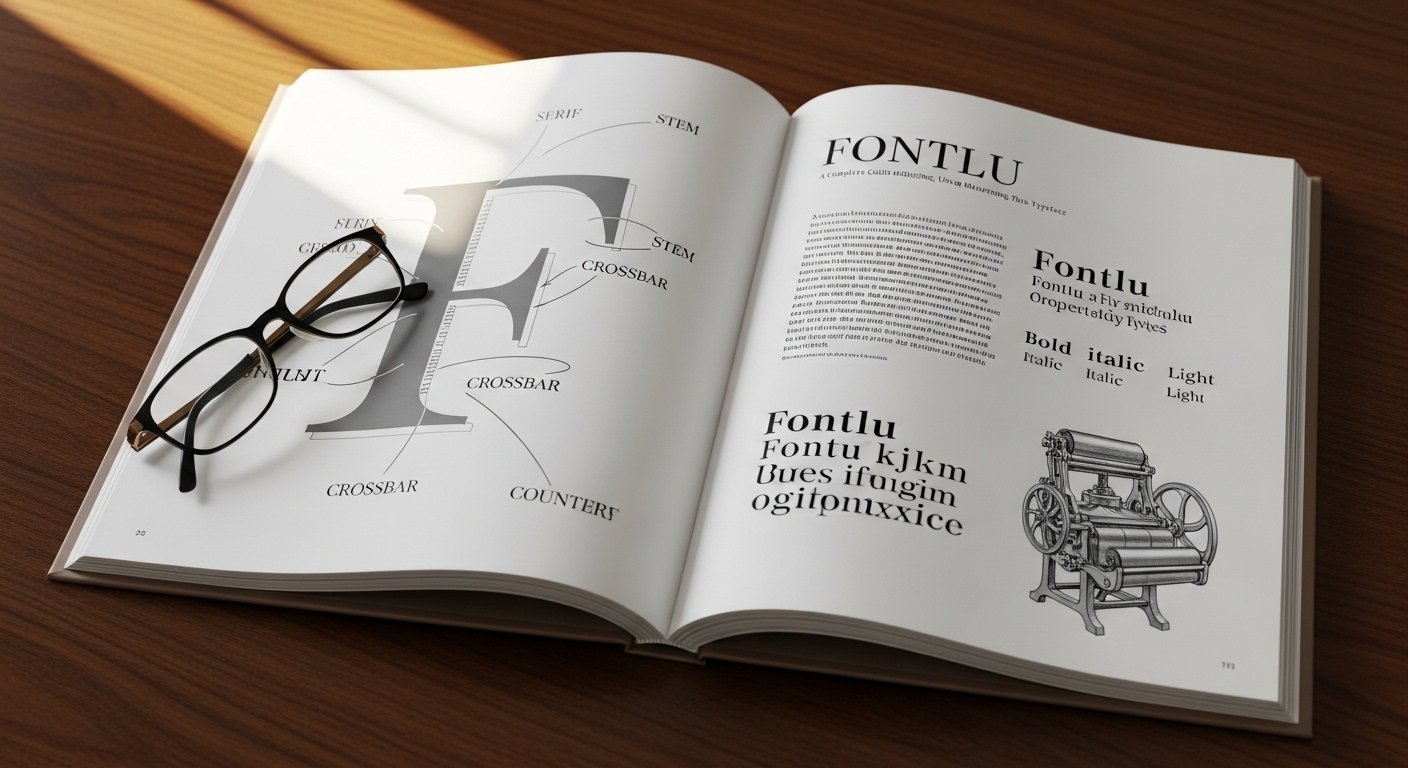
In the world of digital design, typography is one of the most critical elements that determine the overall look, feel, and effectiveness of any visual content. Among the wide array of fonts available, Fontlu has emerged as a popular choice for designers, content creators, and branding experts due to its versatility, aesthetic appeal, and readability. Whether you are creating a website, designing a logo, or developing marketing materials, Fontlu offers unique characteristics that make it stand out from the crowd.
This comprehensive guide explores everything you need to know about Fontlu—from its history and design features to practical uses, pairing tips, and modern applications. By the end of this article, you will have a complete understanding of Fontlu and how to incorporate it effectively into your projects.
What is Fontlu?
Fontlu is a typeface known for its clean lines, modern structure, and versatile design. It is widely appreciated for balancing readability with a contemporary aesthetic, making it suitable for both digital and print media. Fontlu is often used in branding, advertising, editorial design, and web development, thanks to its professional yet approachable look.
Read: Unsplash Guide
Key Features of Fontlu
- Versatility: Works well for headings, body text, and creative projects
- Readability: Clear letterforms enhance legibility even at smaller sizes
- Aesthetic Appeal: Modern and stylish design that complements various visual themes
- Compatibility: Works seamlessly across different platforms, from web to print
These features make Fontlu a go-to choice for designers looking for a typeface that is both functional and visually striking.
History of Fontlu
Fontlu was developed in the early 2010s by a group of typographers seeking to create a modern, clean font that could cater to both professional and creative applications. Inspired by contemporary sans-serif fonts, Fontlu was designed with a focus on readability, minimalism, and versatility.
Over the years, Fontlu has gained popularity in the design community due to its adaptability and ease of use. Designers, marketers, and publishers have embraced it for projects ranging from corporate branding to personal blogs, demonstrating the font’s universal appeal.
Design Characteristics
Fontlu exhibits several design characteristics that make it unique:
- Letterforms
Fontlu features geometric and balanced letterforms, giving it a modern, clean look. Rounded corners combined with straight lines provide a sense of approachability while maintaining professionalism. - Weight Variations
Fontlu comes in multiple weights, such as light, regular, medium, and bold. This range allows designers to create hierarchy and emphasis within their content easily. - Spacing and Kerning
Proper spacing and kerning make Fontlu highly readable. The spacing between letters ensures that text appears clean and uncluttered, even in dense paragraphs. - Versatile Characters
Fontlu includes numerals, punctuation marks, and special characters, making it suitable for both text-heavy content and creative design projects.
Uses of Fontlu
Fontlu’s versatility allows it to be used across a wide range of applications:
1. Branding and Logos
Fontlu is ideal for creating brand identities due to its modern and professional appearance. Businesses often use Fontlu in logos, business cards, and promotional materials to convey clarity, trustworthiness, and sophistication.
2. Web Design
On websites, Fontlu improves readability and aesthetics. It works well for headers, menus, and body text, ensuring that users have a pleasant reading experience across devices.
3. Print Media
Fontlu is equally effective in print media, including magazines, brochures, and flyers. Its clean lines and clear letterforms make printed content appear polished and professional.
4. Social Media Graphics
Designers frequently use Fontlu for social media posts, infographics, and digital advertisements. Its modern style enhances visual appeal and draws attention without overshadowing content.
5. Presentations and Reports
In professional presentations or reports, Fontlu ensures clarity and sophistication, helping convey information effectively while maintaining visual appeal.
Pairing Fontlu with Other Fonts
One of the advantages of Fontlu is how well it pairs with other typefaces. Combining Fontlu with complementary fonts can create visually engaging designs:
- Serif Fonts
Pairing Fontlu with classic serif fonts like Times New Roman or Georgia can create a balanced contrast between modern and traditional elements. - Script Fonts
Combining Fontlu with a decorative script font can add elegance to invitations, headings, or creative projects. - Other Sans-Serif Fonts
Pairing Fontlu with other sans-serif fonts can create a minimalist and cohesive look, suitable for tech or modern brands.
Tips for Using Fontlu Effectively
- Maintain Readability
Use appropriate font sizes and spacing, especially for body text, to ensure readability across all platforms. - Hierarchy and Emphasis
Utilize Fontlu’s weight variations to create hierarchy, emphasizing headings, subheadings, and important text. - Consistent Use
Avoid mixing too many fonts in one design. Use Fontlu consistently to maintain a cohesive visual style. - Color Contrast
Ensure sufficient contrast between Fontlu text and the background to enhance visibility and accessibility. - Responsive Design
When using Fontlu on websites, make sure it remains legible across different screen sizes and devices.
Advantages of Fontlu
- Modern and Professional: Suitable for a variety of projects
- High Readability: Easy to read in both digital and print media
- Versatile: Works for branding, design, and content creation
- Multiple Weights: Offers flexibility in design hierarchy
- Cross-Platform Compatibility: Looks great on all devices and mediums
Common Mistakes When Using Fontlu
- Overusing Bold Weights
Using bold excessively can reduce clarity and make designs look cluttered. - Ignoring Spacing
Proper kerning and line spacing are essential for readability; neglecting them can make text appear cramped. - Poor Color Choices
Using colors with low contrast can make Fontlu text hard to read. - Mixing Too Many Fonts
Combining Fontlu with too many other fonts can create visual chaos; stick to one or two complementary typefaces.
Fontlu in Modern Design Trends
As digital design continues to evolve, Fontlu fits seamlessly with current trends:
- Minimalist Design: Its clean and modern look complements minimalistic layouts.
- Flat Design: Fontlu pairs well with flat design elements, maintaining clarity and elegance.
- Responsive Typography: Optimized for web and mobile readability.
- Brand Consistency: Helps businesses maintain a professional and cohesive visual identity.
Fontlu in Branding Examples
- Corporate Branding
Companies use Fontlu for clean, professional logos and marketing materials, enhancing credibility. - Creative Agencies
Fontlu is popular in creative portfolios and advertising campaigns for its modern aesthetic. - Digital Platforms
Blogs, websites, and apps often utilize Fontlu for headers and body text to maintain clarity and appeal.
How to Get Fontlu
Fontlu is available through various font repositories and can be licensed for personal or commercial use. Designers should ensure proper licensing before use in commercial projects. Popular platforms include:
- Font marketplaces
- Design software libraries
- Official Fontlu website (if available)
Conclusion
Fontlu is a modern, versatile, and highly readable typeface suitable for a wide range of applications—from branding and web design to print media and social graphics. Its clean lines, weight variations, and professional aesthetic make it an essential tool for designers, marketers, and content creators.
By understanding Fontlu’s features, uses, and best practices, you can leverage this typeface to enhance your projects, maintain a cohesive visual style, and engage your audience effectively. Whether you are designing a website, creating marketing materials, or developing a brand identity, Fontlu provides the flexibility, clarity, and modern appeal needed for impactful design.
Embrace the power of Fontlu and elevate your design projects with a typeface that combines style, readability, and versatility.

In today’s fast-paced academic and administrative environment, efficient time management systems are essential for maintaining productivity, accountability, and compliance. At institutions like Virginia Tech, managing employee work hours across multiple departments requires a reliable and structured solution. This is where the concept of timeclock Virginia Tech becomes highly relevant.
The term “timeclock Virginia Tech” refers to the systems, processes, and technologies used by the university to track employee work hours, attendance, and payroll-related data. These systems are designed to streamline workforce management while ensuring accuracy and transparency across various departments.
Understanding Timeclock Virginia Tech
Timeclock Virginia Tech is not just a physical device or a simple punch-in system—it represents a comprehensive workforce time-tracking framework. This includes digital tools, software platforms, and policies that help employees log their working hours efficiently.
Read: Betechit.com — Revolutionizing the Way We Engage with Technology
Universities like Virginia Tech employ thousands of staff members, including administrative personnel, faculty, and part-time workers. Managing such a large workforce requires a centralized system that can handle:
- Time tracking
- Attendance monitoring
- Overtime calculation
- Leave management
- Payroll integration
The timeclock system ensures that all these elements are handled seamlessly, reducing manual errors and administrative burden.
Why Timeclock Systems Matter in Universities
Academic institutions operate differently from traditional businesses. With varying schedules, research activities, and departmental needs, tracking time accurately becomes more complex. Timeclock Virginia Tech plays a critical role in addressing these challenges.
1. Accuracy in Time Tracking
Manual timekeeping methods are prone to errors. A digital timeclock system eliminates discrepancies by automatically recording clock-in and clock-out times.
2. Compliance with Labor Laws
Universities must adhere to federal and state labor regulations. Timeclock systems help ensure compliance by maintaining accurate records of employee hours and overtime.
3. Improved Payroll Processing
By integrating with payroll systems, timeclock Virginia Tech ensures employees are paid correctly and on time.
4. Enhanced Accountability
Employees are more accountable when their work hours are tracked transparently, leading to increased productivity.
Key Features of Timeclock Virginia Tech
The timeclock Virginia Tech system incorporates several advanced features that make it efficient and user-friendly.
Digital Clock-In and Clock-Out
Employees can log their hours using computers, mobile devices, or designated terminals. This flexibility is especially useful for staff working in different locations across campus.
Real-Time Data Tracking
Supervisors can access real-time data to monitor attendance and manage schedules effectively.
Integration with HR Systems
The timeclock system is often integrated with human resource management platforms, allowing seamless data transfer between departments.
Automated Reporting
Reports on attendance, overtime, and leave balances can be generated instantly, saving time and effort.
Security and Authentication
Modern systems include secure login methods to prevent unauthorized access and ensure data integrity.
How Employees Use Timeclock Virginia Tech
Using the timeclock Virginia Tech system is typically straightforward. While specific procedures may vary by department, the general process includes:
- Logging into the system using university credentials
- Clocking in at the start of the workday
- Recording breaks if required
- Clocking out at the end of the shift
- Reviewing timesheets for accuracy
Supervisors may also review and approve timesheets before they are processed for payroll.
Benefits for Employees
Timeclock Virginia Tech is designed not only for administrative efficiency but also for employee convenience.
Transparency
Employees can view their recorded hours, ensuring there are no discrepancies.
Fair Compensation
Accurate tracking ensures employees are paid for every hour worked, including overtime.
Easy Leave Management
Employees can request and track leave directly through the system.
Accessibility
With digital platforms, employees can access the system from various devices, making it convenient for remote or flexible work arrangements.
Benefits for Employers and Administration
From an administrative perspective, timeclock Virginia Tech offers numerous advantages.
Streamlined Operations
Automating time tracking reduces the workload on HR and payroll departments.
Cost Efficiency
Accurate tracking helps control labor costs by minimizing overpayments and unauthorized overtime.
Data-Driven Decisions
Administrators can analyze workforce data to improve scheduling and resource allocation.
Reduced Errors
Automation significantly reduces human errors associated with manual timekeeping.
Challenges and Considerations
While timeclock Virginia Tech systems offer many benefits, there are also challenges to consider.
User Adaptation
Some employees may take time to adapt to new digital systems, especially if they are accustomed to manual processes.
Technical Issues
Like any technology, timeclock systems may experience occasional glitches or downtime.
Privacy Concerns
Employees may have concerns about data security and how their information is used.
Training Requirements
Proper training is essential to ensure all users understand how to use the system effectively.
Technology Behind Timeclock Systems
Modern timeclock systems leverage advanced technologies to improve efficiency and accuracy.
Cloud-Based Platforms
Many systems are hosted on the cloud, allowing access from anywhere and ensuring data is securely stored.
Mobile Applications
Employees can clock in and out using mobile apps, providing greater flexibility.
Biometric Authentication
Some systems use fingerprint or facial recognition to prevent time theft.
AI and Analytics
Advanced analytics tools help administrators identify patterns and optimize workforce management.
Best Practices for Using Timeclock Virginia Tech
To maximize the benefits of the timeclock Virginia Tech system, both employees and administrators should follow best practices.
For Employees
- Always clock in and out on time
- Review timesheets regularly
- Report any discrepancies तुरंत
- Follow university policies
For Administrators
- Provide proper training
- Monitor system usage
- Address technical issues quickly
- Ensure data security
Future of Timeclock Systems at Virginia Tech
As technology continues to evolve, the future of timeclock Virginia Tech looks promising. Emerging trends are likely to enhance the system further.
Increased Automation
More processes will become automated, reducing manual intervention.
Enhanced User Experience
Improved interfaces will make systems more intuitive and user-friendly.
Integration with Smart Devices
Wearables and IoT devices may play a role in time tracking.
Advanced Analytics
Data-driven insights will help optimize workforce management and improve efficiency.
Conclusion
Timeclock Virginia Tech represents a vital component of modern workforce management within a large academic institution like Virginia Tech. By combining technology, automation, and structured processes, it ensures accurate time tracking, efficient payroll processing, and improved accountability.
For employees, it offers transparency and convenience. For administrators, it provides control, efficiency, and valuable insights. While challenges exist, the benefits far outweigh the drawbacks, making it an essential tool in today’s digital work environment.
As universities continue to adopt advanced technologies, timeclock systems will play an increasingly important role in shaping the future of workforce management. Whether you are an employee, administrator, or simply curious about how large institutions operate, understanding timeclock Virginia Tech provides valuable insight into the intersection of technology and organizational efficiency.


- Blog10 months ago
El verdadero significado de Honrar a Dios según la Biblia
- Blog10 months ago
¡Entérate qué es un anatema según la Biblia!
- Blog10 months ago
Qué simboliza el color naranja en la Biblia?
- Blog10 months ago
Qué significa ver un colibrí: leyendas y simbolismos
- Blog10 months ago
Descubre el significado bíblico de la ignominia
- Blog10 months ago
Descubre que significa «sabiduría» según la Biblia y cómo aplicarla en tu vida

 Entertainment8 months ago
هنتاوي.com: Discover Trending Arabic Content Online
- Blog10 months ago
El término cielo en la biblia católica: su profundo significado