Blog
La importancia y significado de la piedad en la Biblia

La piedad es una virtud muy mencionada en la Biblia, una virtud que inspira tierna devoción a las cosas santas por el amor a Dios y actos de amor y compasión por el prójimo. Pero, ¿qué significa realmente el término «piedad» según la Biblia? En este artículo, profundizaremos en su significado y su importancia en nuestra vida diaria.
La piedad es una virtud cristiana
La piedad es una virtud cristiana que se encuentra mencionada en la Biblia. Según el Catecismo de la Iglesia Católica, la piedad es una actitud filial que nos lleva a relacionarnos con Dios como un padre amoroso, y a tratarnos entre nosotros como hermanos y hermanas. Esta actitud es esencial en nuestra relación con Dios y en nuestra vida espiritual.
Las Escrituras hablan de piedad en diferentes pasajes, como en el Salmo 24:4, donde se lee: «El limpio de manos y puro de corazón, que no ha elevado su alma a cosas vanas ni jurado con engaño, ése recibirá bendición del Señor y justicia del Dios de su salvación».
Piedad implica devoción y amor
Tal como se menciona en los párrafos anteriores, la piedad es una actitud que nos lleva hacia Dios y hacia los demás. Implica, en otras palabras, devoción y amor. La devoción es la entrega total y sincera a Dios, es la reverencia que inspira su grandeza y su sabiduría. Y el amor, por otro lado, es la manifestación más clara de la piedad, es el sentimiento que nos mueve a amar al prójimo como a nosotros mismos, tal como se lee en Mateo 22:39: «Y el segundo es semejante a éste: Amarás a tu prójimo como a ti mismo».
La piedad y la fe
La piedad y la fe están íntimamente relacionadas. La fe es la confianza plena en Dios, en su amor, en su misericordia y en su plan de salvación. La piedad, por su parte, es la actitud filial que nos lleva a relacionarnos con Dios como padre amoroso. Ambas virtudes se alimentan mutuamente, y son esenciales para nuestra vida espiritual y nuestro crecimiento como personas.
En Tito 2:12-14 se habla de la relación entre la piedad y la fe: «Enseñándonos que, renunciando a la impiedad y a los deseos mundanos, vivamos en este siglo sobria, justa y piadosamente, aguardando la esperanza bienaventurada y la manifestación gloriosa del gran Dios y Salvador nuestro Jesucristo, quien se dio a sí mismo por nosotros para redimirnos de toda iniquidad y purificar para sí un pueblo propio, celoso de buenas obras».
La piedad y la misericordia
La misericordia es otra virtud muy importante en la vida cristiana. Así como la piedad nos lleva a relacionarnos con Dios y con los demás de manera amorosa, la misericordia nos mueve a perdonar, a comprender y a aceptar a las personas tal como son. Ambas virtudes son necesarias y complementarias, puesto que la piedad nos lleva a amar, y la misericordia nos lleva a comprender y a perdonar, tal como se menciona en Colosenses 3:12: «Por tanto, como escogidos de Dios, santos y amados, revestíos de afecto entrañable y de bondad, humildad, amabilidad y paciencia, soportándoos unos a otros y perdonándoos mutuamente si alguno tiene queja contra otro. Así como el Señor os perdonó, perdonaos también vosotros».
Piedad: una virtud necesaria en la vida cristiana
La piedad es una virtud esencial en la vida cristiana. Nos lleva hacia Dios y nos hace más amorosos y compasivos con los demás. Esta actitud filial hacia Dios nos lleva a verlo como un padre amoroso, en quien podemos confiar y a quien podemos amar. Y, por otro lado, nos lleva a ver a los demás como hermanos y hermanas, a los que debemos amar y respetar, tal como se menciona en 1 Pedro 2:17: «Honrad a todos, amad a los hermanos, temed a Dios, honrad al rey».
La piedad es una virtud que nos inspira a amar y a ser más compasivos. Nos lleva hacia Dios y nos ayuda a crecer en nuestra vida espiritual. La devoción, el respeto y el amor son elementos clave de la piedad, que nos mueven a relacionarnos con Dios y con los demás de manera amorosa y respetuosa. En definitiva, la piedad es una virtud necesaria en nuestra vida cristiana, que nos ayuda a crecer como personas y a vivir en armonía con Dios y con los demás.
¿Qué es La Piedad en el Nuevo Testamento?
El término «piedad» es utilizado en la Biblia para describir un rango de valores y prácticas virtuosas. En el Antiguo Testamento, la piedad típicamente se refiere a la misericordia y al perdón de Dios. En cambio, en el Nuevo Testamento, la palabra piedad se usa en el contexto de cumplimiento de los mandamientos de Dios y el seguimiento de una vida religiosa justa y virtuosa.
En el Nuevo Testamento, la piedad se refiere a la obediencia a la voluntad de Dios y al seguimiento de las enseñanzas de Jesucristo. La piedad se enfoca en el amor y la devoción a Dios y en vivir una vida recta y justa.
La piedad también se asocia con una actitud de humildad y servicio a los demás. En el Evangelio de San Mateo, se destaca la importancia de tratar a los demás con amor y respeto: «Porque tuve hambre, y me disteis de comer; tuve sed, y me disteis de beber; era forastero, y me recogisteis; estaba desnudo, y me cubristeis; enfermo, y me visitasteis; en la cárcel, y vinisteis a verme.» (Mateo 25:35-36).
La piedad también se refiere a la disciplina personal y a la renuncia a los placeres mundanos. En la Epístola a Tito, San Pablo señala que la piedad es necesaria para vivir una vida equilibrada y justa: «Porque la gracia de Dios se ha manifestado para salvación a todos los hombres, enseñándonos que, renunciando a la impiedad y a los deseos mundanos, vivamos en este siglo sobria, justa y piadosamente» (Tito 2:11-12).
En otras palabras, la piedad es un concepto clave en el Nuevo Testamento que se refiere a la obediencia a la voluntad de Dios, el servicio a los demás y la renuncia a los placeres mundanos. Es una actitud que llama a los creyentes a vivir una vida justa y virtuosa, en línea con las enseñanzas de Jesucristo.
Hay muchas virtudes que se encuentran dentro del concepto de piedad. Un ejemplo es la humildad, ya que es necesario aceptar que no somos perfectos y que necesitamos la ayuda de Dios en todo momento. También se destaca la importancia de la oración, la cual nos permite conectarnos con Dios y recibir su gracia.
La humildad, la oración y la devoción son fundamentales para la vida religiosa y son componentes esenciales de la piedad. En la Primera Carta a Timoteo, San Pablo insta a los creyentes a vivir una vida de amor y respeto, enfocándose en la fe y en una conciencia limpia: «Mas el fin del mandamiento es el amor de un corazón limpio, y de una buena conciencia, y de una fe no fingida» (1 Timoteo 1:5).
Además de la humildad y la oración, la piedad también implica la práctica de las buenas obras. En la Epístola de San Santiago, se destaca la importancia de la acción en lugar de sólo palabras: «Así ni la fe, si no tuviere obras, está muerta en sí misma» (Santiago 2:17).
La piedad también se asocia a menudo con la vida monástica, en la que los creyentes se retiran del mundo para centrarse en la oración y la reflexión. La vida monástica es una forma extrema de práctica piadosa, pero las enseñanzas de la piedad son relevantes para todos los creyentes, independientemente de su vocación o estilo de vida.
En la liturgia cristiana, la piedad se manifiesta en una variedad de formas, desde la celebración de la misa hasta la adoración privada. En la misa, los creyentes se reúnen para honrar a Dios y recibir su gracia a través de la oración, el canto y la lectura de las Escrituras. La adoración privada, por otro lado, es una forma de conectarse con Dios a través de la oración y la meditación personal.
Teniendo en cuenta lo anterior, la piedad es un concepto clave en el Nuevo Testamento que se refiere a la obediencia a la voluntad de Dios, el servicio a los demás y la renuncia a los placeres mundanos. Es una actitud que llama a los creyentes a vivir una vida justa y virtuosa, en línea con las enseñanzas de Jesucristo. La humildad, la oración, la devoción y la práctica de las buenas obras son todos componentes esenciales de la piedad, que se pueden incorporar en la vida cotidiana de cualquier creyente.
¿Cuál es el significado del nombre piedad?
El nombre Piedad puede parecer bastante común, pero su significado esconde una gran historia. La Piedad es una de las advocaciones de Nuestra Señora más conocidas. Esta advocación hace referencia al episodio de la Pasión de Cristo en el que la Virgen María sostiene el cuerpo descendido de la Cruz. Según la historia, La Piedad se originó en la Edad Media y fue ampliamente representada en la escultura, la pintura y la literatura.
Uno de los ejemplos más destacados es la escultura de la Piedad realizada por Miguel Ángel. Esta obra de arte representa a la Virgen María sosteniendo el cuerpo muerto de Jesús en su regazo. La escultura se encuentra en Roma, en la Basílica de San Pedro del Vaticano y es considerada una de las más hermosas del mundo.
La palabra Piedad proviene del latín «pietas» que significa piedad, devoción, amor, caridad, misericordia y respeto. El nombre Piedad tiene una gran carga emocional y se ha utilizado en muchas culturas e idiomas. Por ejemplo, en inglés, la palabra «piety» se utiliza para describir la devoción religiosa o la obediencia a los preceptos religiosos.
La Piedad es un concepto básico en muchas religiones. En el judaísmo, se hace referencia a la piedad en relación con la obligación de los creyentes de cumplir con los mandamientos de la Torá; en el islam, se hace énfasis en el temor a Alá y en la obediencia a los mandamientos del Corán, y en el cristianismo, es un concepto fundamental que se relaciona con la devoción y el respeto a lo divino.
En la Antigüedad, la Piedad era un valor moral y social muy importante. Los romanos utilizaban la palabra «pietas» para describir la devoción y el amor de los ciudadanos hacia sus dioses, padres, patria y familiares. Este valor se valoraba por encima de otros valores como la lealtad, la fuerza y la nobleza.
Otra forma en que el nombre Piedad se ha utilizado es como nombre de pila para niñas. Las personas que llevan el nombre Piedad se caracterizan por ser personas religiosas, bondadosas, serenas y compasivas. También se considera un nombre femenino antiguo y clásico que ha ido perdiendo popularidad en los últimos años.
El nombre Piedad se ha convertido en el título de obras literarias y cinematográficas. Por ejemplo, la película «La Piedad de los Vencidos» del director ruso Sergei Eisenstein describía la valentía y la determinación de los obreros alemanes frente a la represión del gobierno autoritario. Asimismo, en la literatura, muchas obras describen personajes con el nombre de Piedad que luchan por lo que consideran justo y verdadero.
En la música, el nombre Piedad también ha servido de inspiración. Muchas canciones populares en diferentes géneros musicales se llaman «La Piedad». Incluso existe una composición musical llamada «La Piedad» escrita por el compositor inglés Charles Hubert Hastings Parry.
En definitiva, el nombre Piedad esconde una gran historia y significado. Es un nombre que se ha utilizado en diferentes ámbitos de la cultura y que ha sido inspiración para muchos artistas a lo largo de la historia. Independientemente de su origen y significado, lo que más importa es lo que la persona que lleva ese nombre logra hacer con él y cómo lo lleva en su corazón y su vida cotidiana.
Testimonios de nuestros usuarios
En mi experiencia personal, creo que la piedad es una virtud que nos permite conectarnos con nuestro ser interno y con Dios de manera más profunda. En la Biblia, se resalta la importancia de esta cualidad para vivir una vida en consonancia con los valores cristianos y para ser un buen ejemplo para los demás. La piedad nos permite ser más empáticos y compasivos con las personas que nos rodean, lo que nos ayuda a construir mejores relaciones interpersonales y a crecer como seres humanos.
¿Cuál es la verdadera piedad?
La piedad es una de las principales virtudes cristianas y quizás una de las menos comprendidas. Esta virtud no solo se refiere a sentir compasión por los demás, sino también a amar a Dios con todo el corazón y actuar en consecuencia. Pero, ¿cuál es la verdadera piedad y cómo podemos alcanzarla?
Como se menciona en el artículo «La Piedad: Un Don Poco Conocido», la oración es la regla de oro de la vida cristiana. La oración de agradecimiento, contemplación y petición nos permite acercarnos a Dios y profundizar en nuestra relación con Él. La piedad nos permite tener una tierna devoción hacia las personas y cosas de Dios, y dar gloria a Dios a través del amor y el respeto a los demás.
En este sentido, Santo Tomás relaciona la piedad con la caridad y la considera como un testimonio del amor que uno tiene por su familia y su patria. La verdadera piedad, por tanto, debe estar fundamentada en el amor. El amor a Dios, a los demás y a nosotros mismos es la base de la piedad y la única forma de expresarla de manera sincera y auténtica.
Sin embargo, la piedad no es algo que podamos alcanzar por nuestras propias fuerzas. Es un don que solo podemos obtener pidiéndoselo a Dios con fe viva. De esta forma, la piedad se convierte en una virtud que brota de nuestro contacto con Dios, una actitud que surge de la intimidad y del conocimiento que tenemos de Él.
Por otro lado, existen diferentes enemigos de la piedad que debemos evitar para alcanzarla. La dureza de corazón, el sentimentalismo, la superficialidad y el materialismo, la pereza, la envidia y la soberbia son algunos de los obstáculos que nos impiden vivir la piedad de forma auténtica. Por ello, es importante que nos analicemos y que luchemos contra aquellos aspectos de nuestra vida que están en contra de la verdadera piedad.
Una de las formas más efectivas de cultivar la piedad es a través de la Liturgia de las Horas, tal y como se propone en el artículo anteriormente mencionado. Esta forma de oración permite mantener una constante unión con Dios y evitar la pereza espiritual. La piedad, por tanto, se trata de una práctica constante y sostenida en el tiempo.
Otro aspecto importante de la piedad es su relación con la justicia y la caridad. La piedad es una virtud que nos impulsa a actuar en favor del prójimo y a ayudar a quienes más lo necesitan. De esta forma, la piedad se convierte en una virtud activa que se manifiesta en el servicio a los demás.
En conclusión, la verdadera piedad es una virtud cristiana que implica la oración, el amor, la humildad y el servicio a los demás. No es algo que podamos alcanzar de forma inmediata, sino que debemos cultivarla a través de una práctica constante y una lucha constante contra los obstáculos que nos impiden ser verdaderamente piadosos. Cultivar la piedad nos permite acercarnos más a Dios y vivir de forma más plena y auténtica.

Imagine a world where ceramic materials are no longer just functional but also transformative. Meet Sodiceram, the innovative game-changer in the realm of ceramics. This advanced material blends durability with aesthetics, paving the way for remarkable applications across various industries. Whether you’re an architect seeking inspiration or a designer looking to elevate your projects, Sodiceram promises to redefine what’s possible. Its unique properties not only enhance performance but also open up new avenues for creativity and innovation. Let’s dive into what makes Sodiceram stand out in today’s market and explore how it is shaping the future of construction and design.
Key Features of Sodiceram
Sodiceram stands out due to its unique composition. This innovative ceramic material is designed for durability and versatility. It’s engineered to withstand extreme temperatures, making it ideal for a variety of environments.
Another key feature is its lightweight nature. Unlike traditional ceramics, Sodiceram offers ease in handling and installation. This not only speeds up construction time but also reduces labor costs.
Its aesthetic appeal cannot be overlooked either. Sodiceram comes in various colors and finishes, allowing designers to unleash their creativity without compromising functionality.
You Might Also Like: HMS Photovoltaik
Additionally, the material boasts excellent moisture resistance. This property makes it suitable for both indoor and outdoor applications, ensuring longevity even in challenging conditions.
Sodiceram is eco-friendly. Made from sustainable resources, it aligns with modern environmental standards while maintaining superior performance characteristics.
Applications of Sodiceram
Sodiceram is making waves in various industries due to its versatility. From architecture to interior design, this innovative material adapts seamlessly to different environments.
In commercial spaces, Sodiceram surfaces offer a blend of aesthetics and functionality. Retail stores leverage its durability while enhancing visual appeal.
Residential applications are equally impressive. Homeowners appreciate the stylish options for countertops, flooring, and even wall cladding. Its resistance to stains and scratches makes it ideal for high-traffic areas.
The healthcare sector also benefits from Sodiceram’s hygienic properties. Hospitals utilize it in patient rooms and surgical theaters where cleanliness is paramount.
Even outdoors, Sodiceram shines as an excellent choice for landscaping features or patio designs. Its ability to withstand varying weather conditions ensures long-lasting beauty and performance across all settings.
Advantages of Using Sodiceram
Sodiceram brings a host of advantages to the table, making it an appealing choice for various projects. Its lightweight nature simplifies installation, reducing both labor costs and time on-site.
Durability is another standout feature. Unlike traditional ceramics, Sodiceram is resistant to cracking and chipping. This longevity ensures that surfaces look great even under heavy use.
Additionally, it’s eco-friendly. Made from sustainable materials, it contributes positively to green building practices. Architects appreciate this aspect when aiming for LEED certification or similar standards.
Another key benefit lies in its versatility. Available in numerous colors and textures, Sodiceram can easily adapt to any design aesthetic without compromising performance.
Maintenance is minimal compared to conventional options; it requires less frequent cleaning while resisting stains effectively. These qualities make Sodiceram a smart investment for architects and builders alike.
Sodiceram vs Traditional Ceramic Materials
Sodiceram stands out when compared to traditional ceramic materials. Its unique composition provides enhanced durability and flexibility, which are often lacking in conventional ceramics.
While traditional ceramics can be brittle, Sodiceram boasts increased resistance to cracking and chipping. This makes it a more reliable choice for both structural applications and intricate designs.
Another major difference lies in the versatility of Sodiceram. It can be molded into complex shapes with ease, opening up creative possibilities that standard ceramics simply cannot match.
Additionally, the lightweight nature of Sodiceram contributes significantly to its appeal. Traditional ceramic materials tend to add substantial weight to structures, whereas Sodiceram allows architects and designers to achieve stunning aesthetics without compromising structural integrity.
The sustainability factor also plays a role; many traditional ceramics have high environmental costs associated with their production, while innovations like Sodiceram focus on eco-friendly processes.
Why Architects and Designers Choose Sodiceram
Architects and designers are increasingly turning to Sodiceram for its versatility. This innovative material allows for a range of creative possibilities, making it easier to bring unique visions to life.
The aesthetic appeal of Sodiceram is another significant factor. With various textures and colors available, it can seamlessly blend into any design style, from modern minimalism to classic elegance.
Durability also plays a crucial role in their decision-making process. Unlike traditional materials, Sodiceram withstands environmental stressors without compromising its appearance or functionality.
Moreover, the lightweight nature of Sodiceram simplifies the installation process. Designers appreciate how this reduces labor costs while allowing for more intricate designs that might be impractical with heavier materials.
Sustainability is becoming increasingly important in architecture. The eco-friendly attributes of Sodiceram resonate well with professionals who prioritize responsible sourcing and manufacturing practices in their projects.
The Future of Sodiceram in Construction and Design
As the demand for sustainable building materials grows, Sodiceram is poised to lead the charge in construction and design. Its innovative properties open doors to new possibilities that were previously unimaginable.
Imagine structures that not only withstand time but also minimize environmental impact. With its durability and low maintenance requirements, Sodiceram fits perfectly into eco-friendly initiatives.
Architects are exploring unique textures and colors, allowing for a diverse range of aesthetics. This adaptability makes it an appealing choice for modern projects.
Furthermore, as technology advances, we can expect even more enhancements in Sodiceram’s formulations. Such developments could revolutionize how materials are used in everyday applications.
The shift toward integrating smart elements within ceramics could also redefine functionality, blending art with purpose seamlessly. The future looks bright for this remarkable material as it takes center stage in contemporary architecture and design endeavors.
Conclusion
Sodiceram is rapidly transforming the landscape of construction and design. Its innovative properties offer endless possibilities for architects and designers who seek materials that not only look stunning but also perform exceptionally well. As sustainability becomes a priority, Sodiceram stands out as an eco-friendly choice that does not compromise on quality or aesthetics.
The advantages it brings, from enhanced durability to versatile applications, make it clear why this material is gaining traction in various industries. Traditional ceramics may have their place, but Sodiceram’s unique features are paving the way for modern solutions that resonate with current trends.
As we move forward into a world where design meets functionality seamlessly, embracing materials like Sodiceram will undoubtedly shape the future of architecture and interior spaces. The demand for innovation continues to rise; therefore, keeping an eye on developments in this sector could be crucial for anyone involved in building or designing environments meant to inspire and endure.

In today’s fast-paced digital world, businesses, creators, and innovators are constantly searching for ways to stand out, engage audiences, and adapt to ever-evolving technologies. With millions of platforms, products, and ideas competing for attention, capturing a user’s interest is only the first step. The real challenge lies in transforming attention into meaningful engagement, loyalty, and measurable success. This is where hormita emerges as a powerful concept in the modern digital landscape.
Although still relatively new, hormita has begun to gain recognition as a term symbolizing creativity, innovation, and adaptive strategies. It can represent a digital methodology, a brand identity, a creative framework, or a technological approach that emphasizes transformation, efficiency, and problem-solving. Its versatility and originality make it highly valuable for entrepreneurs, digital strategists, and creative professionals looking to differentiate themselves in competitive markets.
Read: BlogFontlu
This article delves deeply into hormita—exploring its potential meaning, principles, applications, benefits, and its growing relevance in shaping modern business and digital practices.
Understanding Hormita
At its core, hormita represents a mindset focused on achieving tangible results through innovation, user-centered design, and technology-driven strategies. Unlike traditional frameworks that prioritize outputs over experience, hormita emphasizes a holistic approach where technology, creativity, and strategy are seamlessly integrated.
Key characteristics of hormita include:
- Innovation-Centric Thinking: Encouraging creative solutions and experimentation in business and technology.
- Adaptability: Remaining flexible in fast-changing environments.
- User-Focused Design: Prioritizing meaningful experiences for audiences or customers.
- Technology Integration: Leveraging tools like AI, automation, and analytics to streamline operations and decision-making.
By combining these elements, hormita serves as a modern framework that allows organizations and creators to solve complex challenges while remaining agile, innovative, and results-oriented.
The Evolution of Digital and Business Strategies
To understand the relevance of hormita, it is essential to examine how business and digital strategies have evolved over time.
Early Business Approaches
Traditionally, businesses relied on methods such as:
- Direct sales and personal interactions
- Printed marketing materials
- Manual operational processes
While effective for their time, these methods lacked scalability and were limited in adaptability in a rapidly digitizing world.
The Digital Emergence
With the rise of the internet and digital platforms, businesses had to rethink strategies:
- Websites and e-commerce platforms became critical
- Email marketing, social media, and digital ads started replacing traditional campaigns
- Analytics and data metrics became essential for informed decision-making
This shift created the foundation for modern frameworks like hormita, which go beyond basic digital adoption and integrate technology, creativity, and optimized processes.
Data-Driven Optimization
Modern organizations rely heavily on data-driven strategies to improve efficiency and customer experience. By analyzing user behavior, market trends, and performance metrics, businesses can make smarter decisions. Hormita builds on this principle by embedding data insights into every aspect of operations and digital engagement.
Core Principles of Hormita
Several principles define the hormita approach:
1. Innovation and Creativity
At the heart of hormita is innovation. Organizations are encouraged to think beyond conventional solutions and experiment with new approaches. Examples include:
- Developing advanced digital tools
- Designing intuitive, user-friendly interfaces
- Creating experimental marketing and engagement campaigns
2. Adaptability and Agility
The modern marketplace is dynamic. Hormita emphasizes flexibility in:
- Project management
- Strategic planning
- Responding to evolving customer needs
3. Technology Integration
Technology plays a central role in hormita. Key areas include:
- Artificial Intelligence: Predictive analytics and automation for smarter workflows
- Data Analytics: Informing decisions and optimizing strategies
- Process Automation: Reducing manual tasks and enhancing operational efficiency
4. User-Centered Approach
A successful hormita strategy prioritizes the user experience. By understanding audience preferences and behaviors, businesses can create engaging and intuitive interactions that drive loyalty and conversions.
Applications of Hormita
The versatility of hormita allows it to be applied across multiple sectors:
Technology and Startups
Tech companies can leverage hormita to:
- Develop innovative software or platforms
- Integrate AI and machine learning solutions
- Facilitate collaborative workflows for remote teams
Marketing and Branding
Digital marketing strategies benefit from hormita by:
- Optimizing website and app user experiences
- Implementing data-driven and personalized campaigns
- Improving engagement through targeted content and interactive experiences
Education and Knowledge Platforms
Educational platforms can use hormita to:
- Offer adaptive learning and interactive courses
- Enable collaborative learning communities
- Personalize experiences to improve knowledge retention
Creative Industries
Artists, designers, and creators can apply hormita to:
- Launch experimental visual campaigns
- Incorporate immersive technologies like AR/VR
- Build innovative digital identities and brands
Benefits of Adopting Hormita
Organizations and creators that embrace hormita can achieve significant advantages:
- Improved Efficiency: Streamlined workflows and decision-making
- Higher Engagement: User-focused experiences drive loyalty
- Increased Innovation: Encourages creative experimentation
- Scalability: Adapts strategies for evolving markets and platforms
- Stronger Brand Identity: Establishes a memorable presence in competitive environments
Tools Supporting Hormita Strategies
Implementing hormita effectively requires modern digital tools:
- Analytics Platforms: Track performance and user behavior
- Marketing Automation: Streamline campaigns and audience engagement
- Collaboration Software: Efficiently manage projects and remote teams
- AI Insights: Provide predictive decision-making and personalization
Challenges in Implementing Hormita
While beneficial, adopting hormita can present challenges:
- Complexity: Balancing creativity, technology, and strategy can be challenging
- Continuous Adaptation: Businesses must continuously evolve strategies
- Data Privacy: Ensuring responsible technology use while respecting regulations
- Resource Allocation: Investing in tools, infrastructure, and training is essential
Future Trends in Hormita
As technology evolves, hormita will continue to grow:
- AI-Driven Personalization: Tailored experiences for customers
- AR/VR Integration: Immersive digital interactions
- Blockchain Applications: Secure and transparent operations
- Global Collaboration: Platforms connecting innovators worldwide
Why Hormita Matters
In today’s fast-changing digital economy, success requires more than technology adoption—it demands a holistic framework that integrates innovation, creativity, adaptability, and efficiency. Hormita empowers organizations to:
- Innovate effectively
- Optimize user experiences
- Strengthen brand value
- Adapt rapidly to emerging opportunities
Ultimately, hormita is more than a strategy—it is a philosophy for thriving in dynamic digital landscapes.
Conclusion
The concept of hormita represents a modern, versatile framework for digital transformation, creativity, and innovation. Its principles can be applied across industries—technology, marketing, education, and creative sectors—to build adaptive, impactful, and engaging strategies.
In an environment where originality and efficiency are critical, hormita provides the flexibility and innovation needed to succeed. With the right mindset, strategy, and tools, what starts as a simple concept can evolve into a powerful force shaping the future of business and digital engagement.
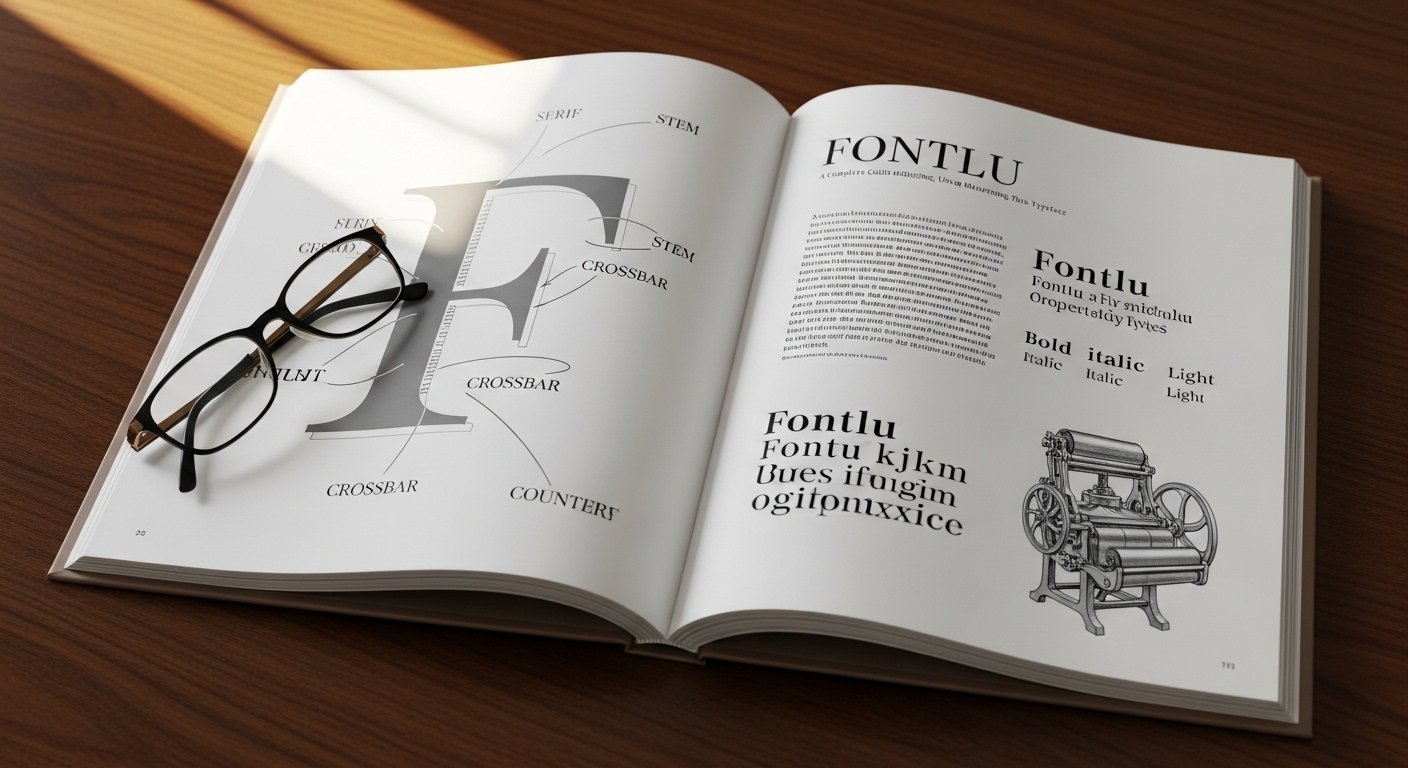
In the world of digital design, typography is one of the most critical elements that determine the overall look, feel, and effectiveness of any visual content. Among the wide array of fonts available, Fontlu has emerged as a popular choice for designers, content creators, and branding experts due to its versatility, aesthetic appeal, and readability. Whether you are creating a website, designing a logo, or developing marketing materials, Fontlu offers unique characteristics that make it stand out from the crowd.
This comprehensive guide explores everything you need to know about Fontlu—from its history and design features to practical uses, pairing tips, and modern applications. By the end of this article, you will have a complete understanding of Fontlu and how to incorporate it effectively into your projects.
What is Fontlu?
Fontlu is a typeface known for its clean lines, modern structure, and versatile design. It is widely appreciated for balancing readability with a contemporary aesthetic, making it suitable for both digital and print media. Fontlu is often used in branding, advertising, editorial design, and web development, thanks to its professional yet approachable look.
Read: Unsplash Guide
Key Features of Fontlu
- Versatility: Works well for headings, body text, and creative projects
- Readability: Clear letterforms enhance legibility even at smaller sizes
- Aesthetic Appeal: Modern and stylish design that complements various visual themes
- Compatibility: Works seamlessly across different platforms, from web to print
These features make Fontlu a go-to choice for designers looking for a typeface that is both functional and visually striking.
History of Fontlu
Fontlu was developed in the early 2010s by a group of typographers seeking to create a modern, clean font that could cater to both professional and creative applications. Inspired by contemporary sans-serif fonts, Fontlu was designed with a focus on readability, minimalism, and versatility.
Over the years, Fontlu has gained popularity in the design community due to its adaptability and ease of use. Designers, marketers, and publishers have embraced it for projects ranging from corporate branding to personal blogs, demonstrating the font’s universal appeal.
Design Characteristics
Fontlu exhibits several design characteristics that make it unique:
- Letterforms
Fontlu features geometric and balanced letterforms, giving it a modern, clean look. Rounded corners combined with straight lines provide a sense of approachability while maintaining professionalism. - Weight Variations
Fontlu comes in multiple weights, such as light, regular, medium, and bold. This range allows designers to create hierarchy and emphasis within their content easily. - Spacing and Kerning
Proper spacing and kerning make Fontlu highly readable. The spacing between letters ensures that text appears clean and uncluttered, even in dense paragraphs. - Versatile Characters
Fontlu includes numerals, punctuation marks, and special characters, making it suitable for both text-heavy content and creative design projects.
Uses of Fontlu
Fontlu’s versatility allows it to be used across a wide range of applications:
1. Branding and Logos
Fontlu is ideal for creating brand identities due to its modern and professional appearance. Businesses often use Fontlu in logos, business cards, and promotional materials to convey clarity, trustworthiness, and sophistication.
2. Web Design
On websites, Fontlu improves readability and aesthetics. It works well for headers, menus, and body text, ensuring that users have a pleasant reading experience across devices.
3. Print Media
Fontlu is equally effective in print media, including magazines, brochures, and flyers. Its clean lines and clear letterforms make printed content appear polished and professional.
4. Social Media Graphics
Designers frequently use Fontlu for social media posts, infographics, and digital advertisements. Its modern style enhances visual appeal and draws attention without overshadowing content.
5. Presentations and Reports
In professional presentations or reports, Fontlu ensures clarity and sophistication, helping convey information effectively while maintaining visual appeal.
Pairing Fontlu with Other Fonts
One of the advantages of Fontlu is how well it pairs with other typefaces. Combining Fontlu with complementary fonts can create visually engaging designs:
- Serif Fonts
Pairing Fontlu with classic serif fonts like Times New Roman or Georgia can create a balanced contrast between modern and traditional elements. - Script Fonts
Combining Fontlu with a decorative script font can add elegance to invitations, headings, or creative projects. - Other Sans-Serif Fonts
Pairing Fontlu with other sans-serif fonts can create a minimalist and cohesive look, suitable for tech or modern brands.
Tips for Using Fontlu Effectively
- Maintain Readability
Use appropriate font sizes and spacing, especially for body text, to ensure readability across all platforms. - Hierarchy and Emphasis
Utilize Fontlu’s weight variations to create hierarchy, emphasizing headings, subheadings, and important text. - Consistent Use
Avoid mixing too many fonts in one design. Use Fontlu consistently to maintain a cohesive visual style. - Color Contrast
Ensure sufficient contrast between Fontlu text and the background to enhance visibility and accessibility. - Responsive Design
When using Fontlu on websites, make sure it remains legible across different screen sizes and devices.
Advantages of Fontlu
- Modern and Professional: Suitable for a variety of projects
- High Readability: Easy to read in both digital and print media
- Versatile: Works for branding, design, and content creation
- Multiple Weights: Offers flexibility in design hierarchy
- Cross-Platform Compatibility: Looks great on all devices and mediums
Common Mistakes When Using Fontlu
- Overusing Bold Weights
Using bold excessively can reduce clarity and make designs look cluttered. - Ignoring Spacing
Proper kerning and line spacing are essential for readability; neglecting them can make text appear cramped. - Poor Color Choices
Using colors with low contrast can make Fontlu text hard to read. - Mixing Too Many Fonts
Combining Fontlu with too many other fonts can create visual chaos; stick to one or two complementary typefaces.
Fontlu in Modern Design Trends
As digital design continues to evolve, Fontlu fits seamlessly with current trends:
- Minimalist Design: Its clean and modern look complements minimalistic layouts.
- Flat Design: Fontlu pairs well with flat design elements, maintaining clarity and elegance.
- Responsive Typography: Optimized for web and mobile readability.
- Brand Consistency: Helps businesses maintain a professional and cohesive visual identity.
Fontlu in Branding Examples
- Corporate Branding
Companies use Fontlu for clean, professional logos and marketing materials, enhancing credibility. - Creative Agencies
Fontlu is popular in creative portfolios and advertising campaigns for its modern aesthetic. - Digital Platforms
Blogs, websites, and apps often utilize Fontlu for headers and body text to maintain clarity and appeal.
How to Get Fontlu
Fontlu is available through various font repositories and can be licensed for personal or commercial use. Designers should ensure proper licensing before use in commercial projects. Popular platforms include:
- Font marketplaces
- Design software libraries
- Official Fontlu website (if available)
Conclusion
Fontlu is a modern, versatile, and highly readable typeface suitable for a wide range of applications—from branding and web design to print media and social graphics. Its clean lines, weight variations, and professional aesthetic make it an essential tool for designers, marketers, and content creators.
By understanding Fontlu’s features, uses, and best practices, you can leverage this typeface to enhance your projects, maintain a cohesive visual style, and engage your audience effectively. Whether you are designing a website, creating marketing materials, or developing a brand identity, Fontlu provides the flexibility, clarity, and modern appeal needed for impactful design.
Embrace the power of Fontlu and elevate your design projects with a typeface that combines style, readability, and versatility.


- Blog10 months ago
El verdadero significado de Honrar a Dios según la Biblia
- Blog10 months ago
¡Entérate qué es un anatema según la Biblia!
- Blog10 months ago
Qué simboliza el color naranja en la Biblia?
- Blog10 months ago
Qué significa ver un colibrí: leyendas y simbolismos
- Blog10 months ago
Descubre el significado bíblico de la ignominia
- Blog10 months ago
Descubre que significa «sabiduría» según la Biblia y cómo aplicarla en tu vida

 Entertainment8 months ago
هنتاوي.com: Discover Trending Arabic Content Online
- Blog10 months ago
El término cielo en la biblia católica: su profundo significado